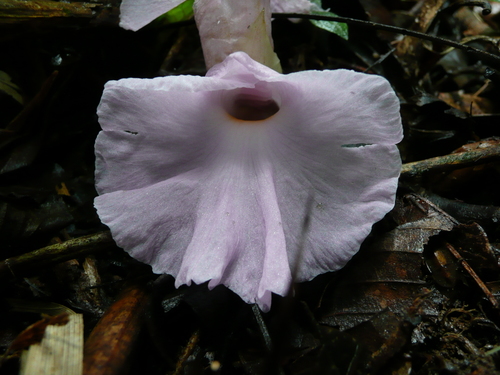
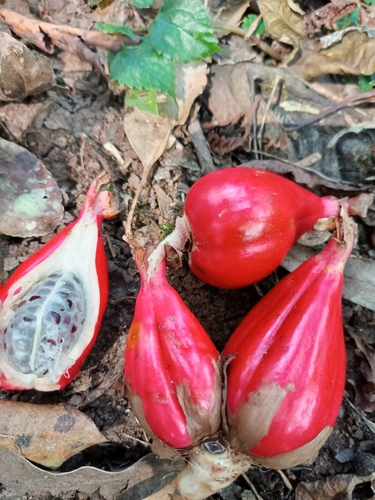
Zingiber longipedunculatum
Ridl.
Ligun, Ubu abang
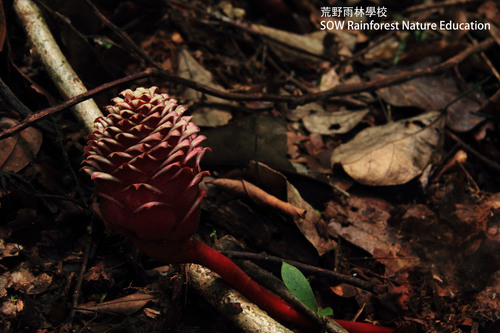
iNaturalist · cc-by-nc
(c) SOW Rainforest Nature Education, some rights reserved (CC BY-NC)
(c) SOW Rainforest Nature Education, some rights reserved (CC BY-NC)
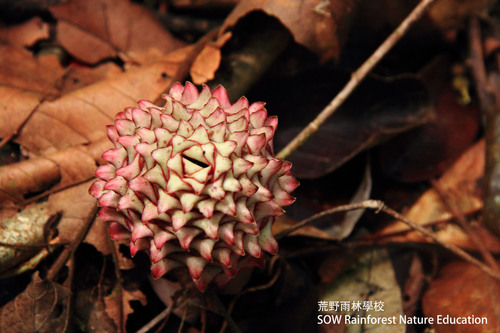
iNaturalist · cc-by-nc
(c) SOW Rainforest Nature Education, some rights reserved (CC BY-NC)
(c) SOW Rainforest Nature Education, some rights reserved (CC BY-NC)
iNaturalist · cc-by-nc
(c) SOW Rainforest Nature Education, some rights reserved (CC BY-NC)
(c) SOW Rainforest Nature Education, some rights reserved (CC BY-NC)
What to Eat
Edible parts: Stems, Vegetable
The stems are eaten as a vegetable.
Where to Find It
A tropical plant. It grows in Borneo.
Asia, Australia, Brunei, Indonesia, Malaysia, SE Asia,
Countries: United Arab Emirates, Afghanistan, Armenia, Australia, Azerbaijan, Bangladesh, Bahrain, Brunei, Bhutan, China, Georgia, Indonesia, Israel, India, Iraq, Iran, Jordan, Japan, Kyrgyzstan, Cambodia, North Korea, South Korea, Kuwait, Kazakhstan, Laos, Lebanon, Sri Lanka, Myanmar, Mongolia, Maldives, Malaysia, Nepal, Oman, Philippines, Pakistan, Qatar, Saudi Arabia, Singapore, Syria, Thailand, Tajikistan, Timor-Leste, Turkmenistan, Turkey, Taiwan, Uzbekistan, Vietnam, Yemen
How to Identify
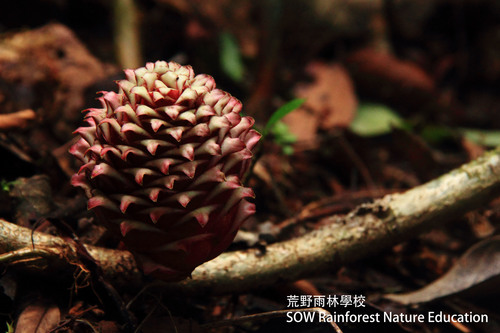
A ginger family herb. It has red flowers growing out of ground. Large leaves alternating. Edible stems.
Notes
There are about 100-150 Zingiber species.
Names & Synonyms
Zingiber longipedunculatum var. lambirense S. Sakai & Nagam.
References (1)
- Poulsen, A. D., 2006, Gingers of Sarawak. Natural History Publications, Borneo. p 87