Plant Families
569 botanical families
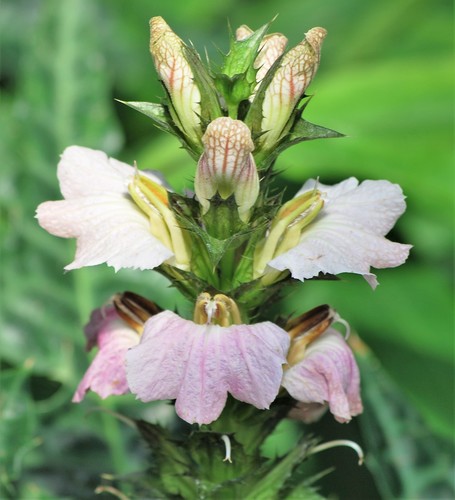
Acanthaceae
149 species
Tropical herbs and shrubs with showy flowers; includes some ornamentals and medicinal plants.

Aceraceae
5 species
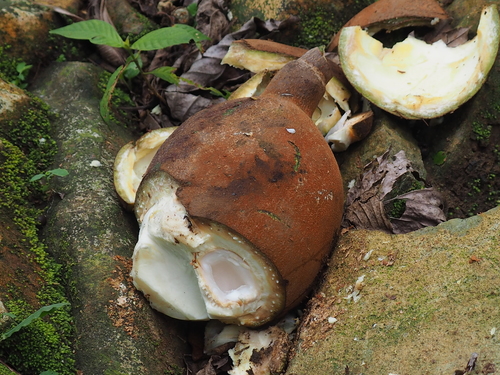
Achariaceae
50 species
Small family of African trees and shrubs with edible fruits similar to passion fruits.

Achatocarpaceae
2 species
Rare family of small trees and shrubs from Central and South America.

Acoraceae
2 species
Contains only sweet flag; rhizomatous plant used historically for flavoring and medicine.

Acrotylaceae
1 species
Small family of fungi-like organisms; rarely encountered in common classification.

Actinidiaceae
106 species
Vines producing fuzzy kiwifruit and smooth-skinned varieties; important commercial fruit crop.

Adoxaceae
75 species
Small family including elderberries, viburnums, and honeysuckles; many with edible berries.

Agaraceae
1 species
Fungal family containing the common button mushroom and its relatives; widely cultivated.

Agaricaceae
126 species
Wood-decay fungi family; includes some edible species but many are toxic.

Agavaceae
10 species
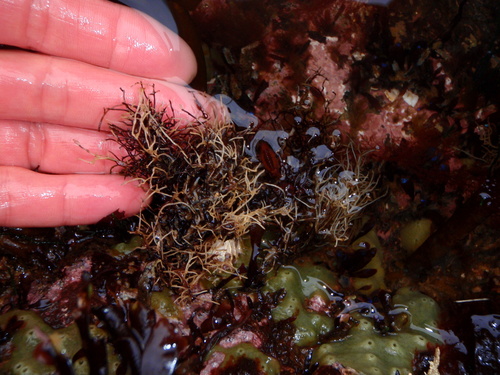
Ahnfeltiaceae
2 species
Red algae family used in food industry as carrageenan source; marine organisms.
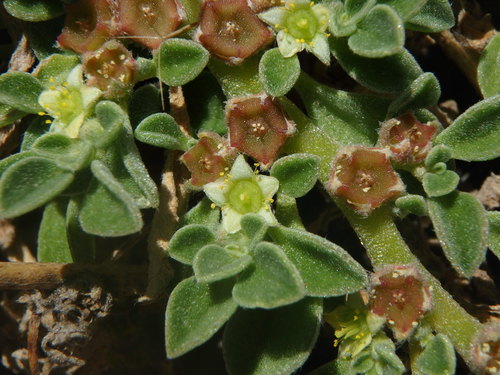
Aizoaceae
55 species
Succulent plants from arid regions; includes ice plant and some edible species.
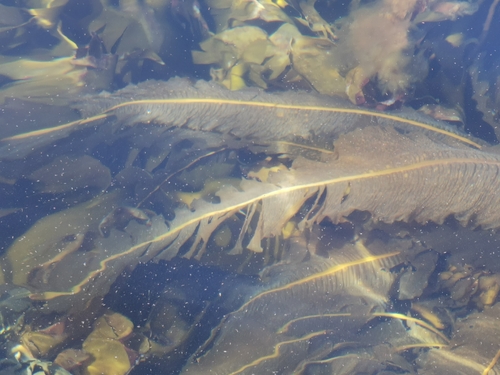
Alariaceae
5 species
Brown kelp algae family; edible seaweeds harvested commercially in Asian cuisines.

Albatrellaceae
3 species
Wood-decay fungi producing shelf-like fruiting bodies; some species are edible.

Alismataceae
30 species
Aquatic plants including arrowhead; rhizomes and corms are edible starch sources.

Alseuosmiaceae
2 species
Small family of Australian shrubs; rarely cultivated or economically significant.
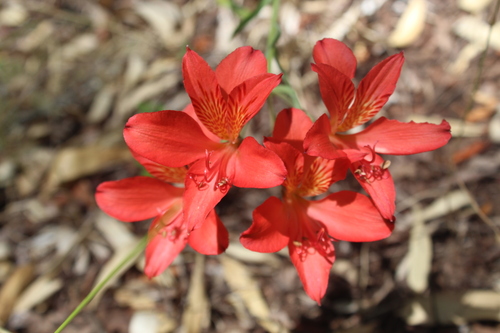
Alstroemeriaceae
13 species
Peruvian lilies; ornamental flowering plants with colorful blooms; rarely edible.
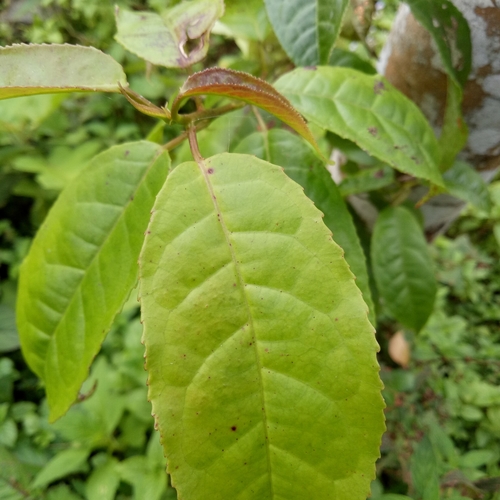
Altingiaceae
3 species
Trees including liquidambar; produces aromatic resins used in perfumes and medicines.

Amanitaceae
49 species
Fungal family containing deadly amanitas and some edible species; highly toxic varieties present.

Amaranthaceae
471 species
Includes amaranth grains, spinach relatives, and quinoa; nutritious leafy greens and seeds.

Amaryllidaceae
326 species
Bulbous plants including daffodils, onions, garlic, and leeks; many edible species.

Amblystegiaceae
1 species
Moss family containing small, delicate mosses common in damp habitats worldwide.

Anacampserotaceae
4 species
Small succulent plant family with fleshy leaves, native to arid regions.

Anacardiaceae
276 species
Family including cashews, mangoes, pistachios, and poison ivy with characteristic resinous compounds.

Anadyomenaceae
1 species
Marine green algae family found in tropical and subtropical coastal waters.

Anisophylleaceae
7 species
Small tropical tree family with unequal-sized leaflets native to Africa and Asia.

Annonaceae
263 species
Tropical fruit family including custard apples, soursops, and cherimoya.

Aphloiaceae
1 species
Rare tropical tree family with few species found in Madagascar and Africa.

Apiaceae
494 species
Carrot family containing parsley, celery, fennel, dill, and other aromatic herbs and vegetables.

Apocynaceae
614 species
Diverse family including periwinkles, oleander, and some tropical fruit species.

Aponogetonaceae
16 species
Aquatic plant family with ornamental water lily-like species.

Aquifoliaceae
36 species
Holly family containing evergreen shrubs and trees with spiny leaves and red berries.

Araceae
204 species
Tropical family including arum lilies, philodendrons, and taro, a staple starch crop.

Araliaceae
107 species
Diverse family including ginseng, ivy, and tropical trees and shrubs.

Araucariaceae
10 species
Ancient conifer family with monkey puzzle tree and kauri, producing valuable timber.
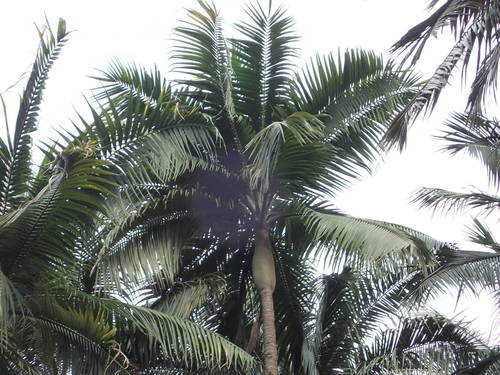
Arecaceae
693 species
Palm family including coconut, date palm, and other economically important tropical plants.

Areschougiaceae
12 species
Monogeneric red algae family with single genus found in Pacific coastal regions.

Aristolochiaceae
28 species
Climbing vines and herbs with unusual curved flowers, some medicinal species.
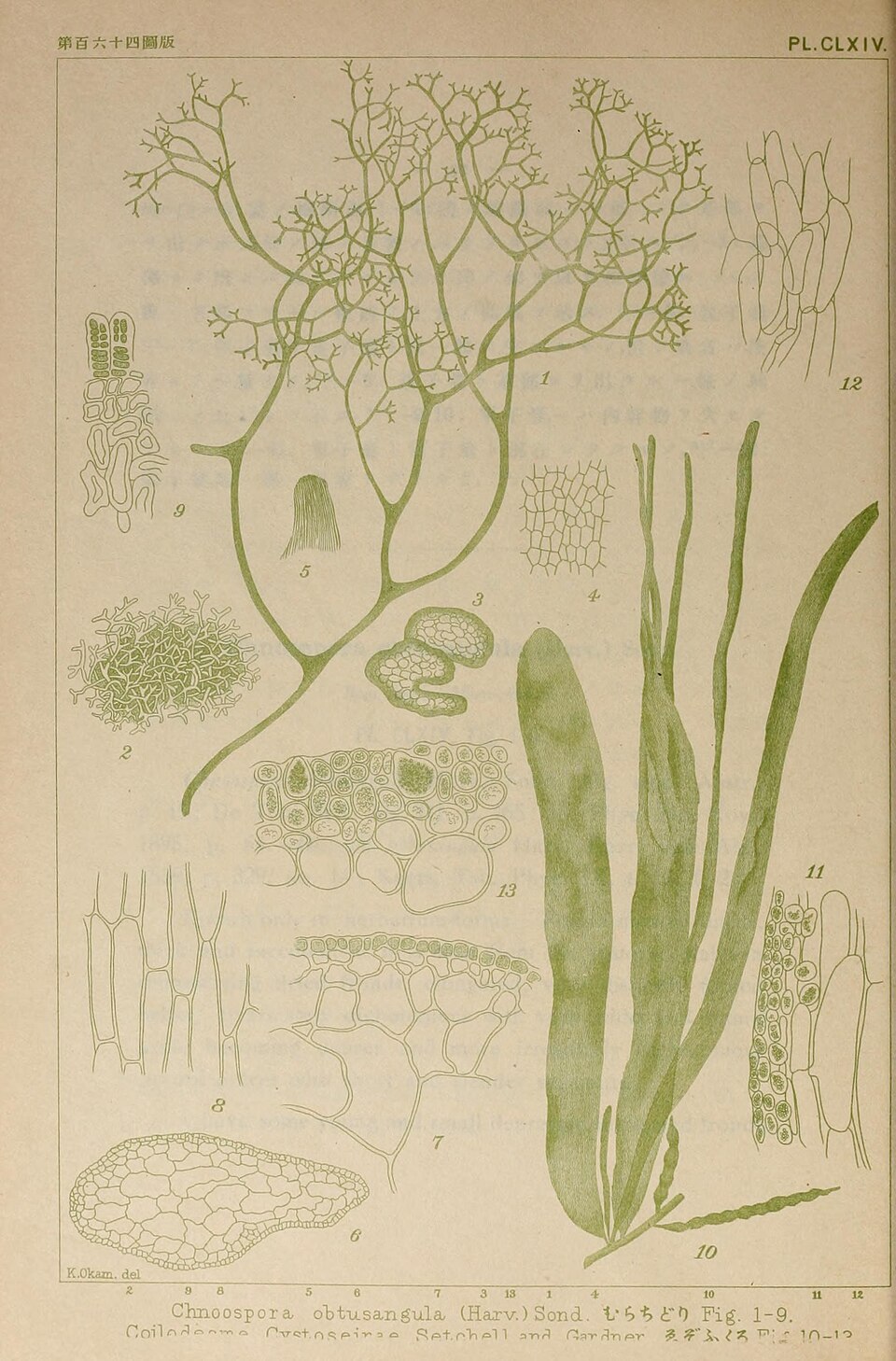
Arthrocladiaceae
1 species
Red algae family with articulate (jointed) filamentous structure from marine environments.

Asclepiadaceae
8 species
Milkweed family with latex-containing plants, important for monarch butterfly caterpillars.

Asparagaceae
403 species
Family containing asparagus, agave, yucca, and various ornamental lily-like plants.

Aspergillaceae
5 species
Fungal family including common molds like Aspergillus; some produce toxins, others used in food fermentation.

Asphodelaceae
21 species
Herbaceous plants including aloe, with fleshy leaves; some species produce edible tubers.
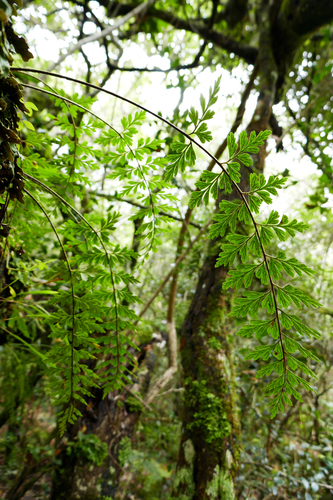
Aspleniaceae
30 species
Fern family with small, delicate fronds; spleenwort ferns are common ornamental species.

Asteliaceae
5 species
Monocots with strap-like leaves; found mainly in Southern Hemisphere, some produce edible berries.
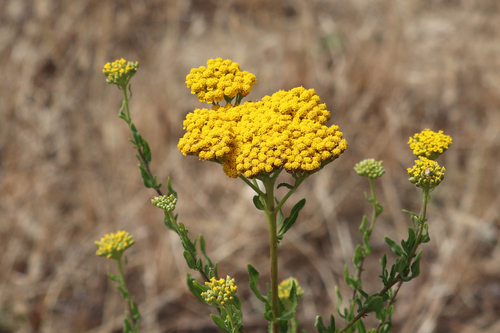
Asteraceae
1318 species
Largest flowering plant family including sunflowers, lettuce, artichokes, and chrysanthemums.
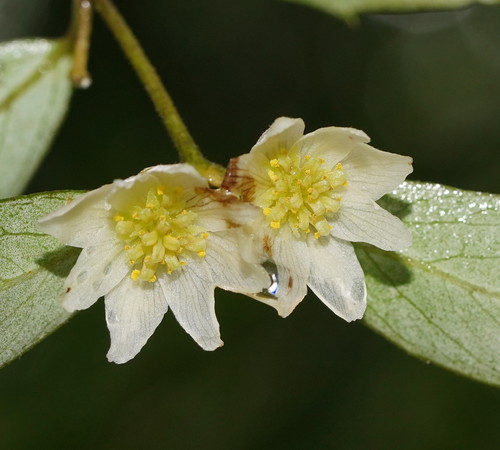
Atherospermataceae
2 species
Woody shrubs and trees from Australia and South America; some produce aromatic oils.

Athyriaceae
45 species
Fern family including lady ferns; delicate fronds common in temperate woodlands.

Auriculariaceae
8 species
Gelatinous fungi family including wood ear mushrooms; edible species prized in Asian cuisine.

Auriscalpiaceae
1 species
Small fungi family; includes ear-pick fungus and other woodland saprotrophs.

Balanophoraceae
3 species
Parasitic plants lacking chlorophyll; found in tropical regions, odd morphology.

Balsaminaceae
30 species
Succulent herbs including impatiens and touch-me-nots; colorful ornamental flowers.

Bangiaceae
27 species
Red algae family; includes nori used in sushi and other edible seaweeds.

Bankeraceae
3 species
Fungal family including hedgehog mushrooms; many species are edible.
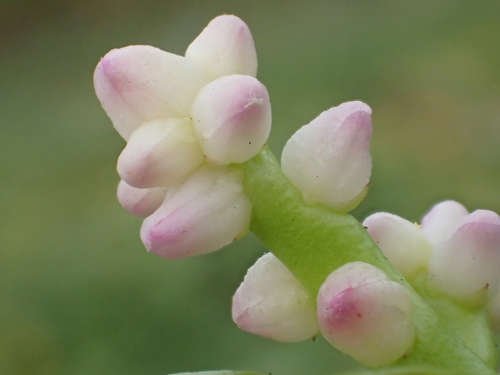
Basellaceae
6 species
Climbing herbs including Malabar spinach; used as leafy vegetables in tropical regions.

Bataceae
1 species
Small halophytic plant family; desert shrubs adapted to saline environments.

Begoniaceae
74 species
Tender plants with asymmetrical leaves; grown for ornamental foliage and flowers.

Berberidaceae
116 species
Includes barberry and may-apple; some produce edible berries, others toxic.

Betulaceae
57 species
Trees and shrubs including birch, alder, and hazelnut; hazelnuts are edible nuts.

Bignoniaceae
65 species
Woody vines and trees with showy trumpet flowers; mostly ornamental species.

Bixaceae
15 species
Tropical trees including annatto; seeds produce red food coloring and dye.
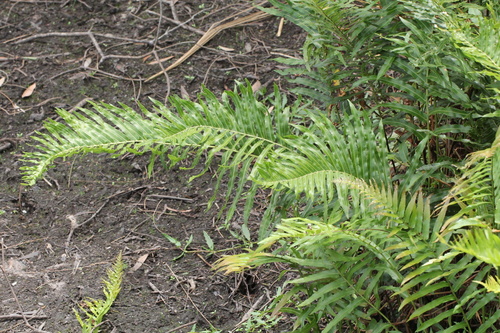
Blechnaceae
16 species
Fern family including hard ferns and water ferns, mostly non-edible fronds used ornamentally.

Bolbitiaceae
13 species
Small fungal family of delicate brown mushrooms, mostly inedible or toxic species.

Boletaceae
101 species
Fungal family including edible boletes and porcini mushrooms, prized culinary fungi.

Boletinellaceae
2 species
Fungal family of small, rare boletes with limited edibility and minimal culinary use.
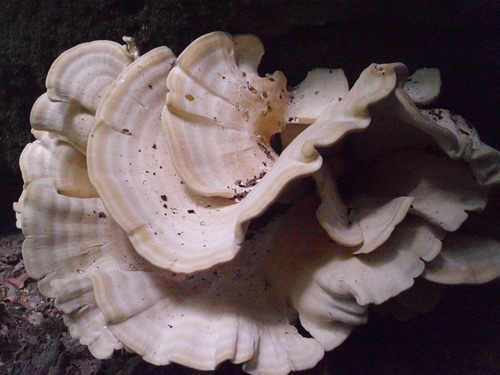
Bondarzewiaceae
2 species
Fungal family of polypore fungi, mostly inedible wood decomposers without culinary value.

Bonnemaisoniaceae
1 species
Red algae family with minimal economic importance, rarely harvested for food.

Bonnetiaceae
1 species
Tropical tree family with no significant edible members or common uses.

Boraginaceae
229 species
Herb family including borage, comfrey, and forget-me-nots with culinary and medicinal uses.
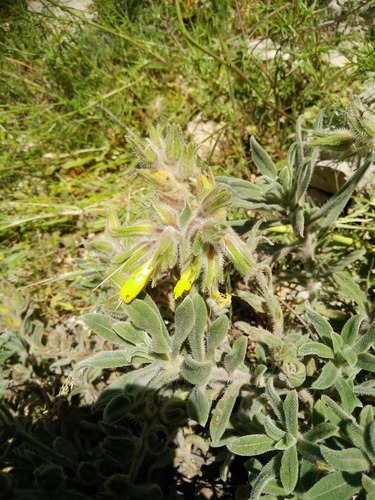
Boragniaceae
1 species
Misspelled or obsolete name; see Boraginaceae for correct botanical designation.
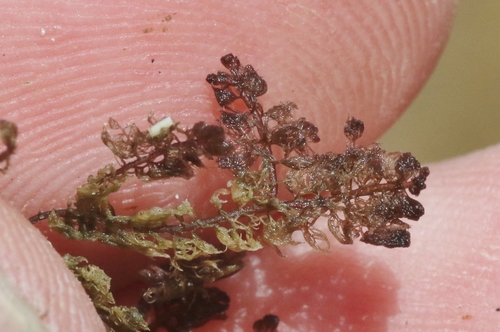
Bostrychiaceae
1 species
Red algae family, minor seaweed with limited commercial food applications.
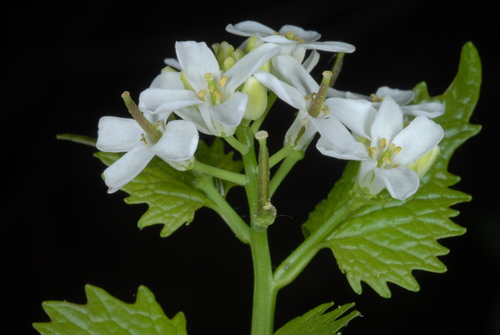
Brassicaceae
463 species
Cruciferous family including cabbage, broccoli, mustard, and radish—major vegetable crops.
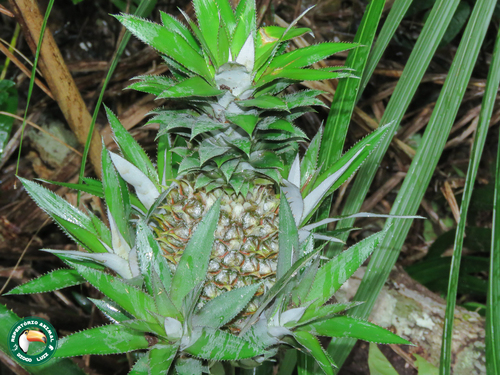
Bromeliaceae
47 species
Tropical family including pineapple, with ornamental and edible members.

Bruniaceae
1 species
South African family of small shrubs with no significant culinary importance.

Bryopsidaceae
2 species
Green algae family, mostly marine with minimal use in human food.
🌿
Buddleiaceae
1 species

Burseraceae
189 species
Tropical tree family producing frankincense, myrrh, and aromatic resins.

Butomaceae
1 species
Aquatic plant family with flowering plants, no important edible members.
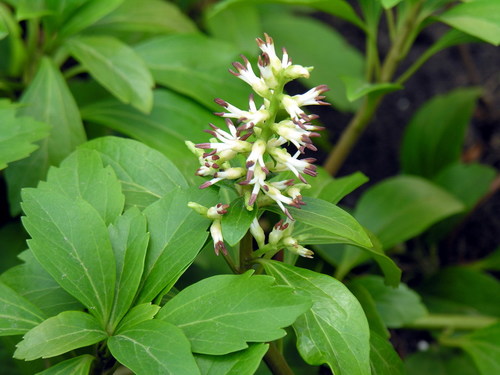
Buxaceae
4 species
Evergreen shrub family including boxwood, primarily ornamental with no edible use.

Cabombaceae
1 species
Water plant family with fanwort, aquatic herbs without significant culinary value.

Cactaceae
293 species
Succulent family including prickly pear and barrel cactus with edible fruits and pads.

Calophyllaceae
5 species
Tropical tree family producing oils and resins, minor edible fruit species.

Calycanthaceae
4 species
Aromatic deciduous shrubs with fragrant flowers; includes Carolina allspice and sweetshrub species.
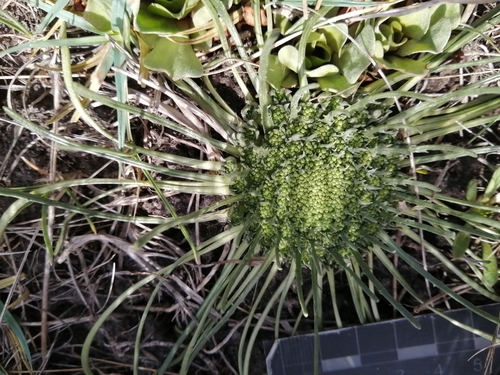
Calyceraceae
2 species
Small family of South American herbs and shrubs with clustered flower heads.

Campanulaceae
123 species
Herbaceous plants and climbers with bell-shaped flowers; includes edible campanula and lobelias.

Canellaceae
5 species
Tropical trees with aromatic bark; includes cinnamon relatives used as spice.
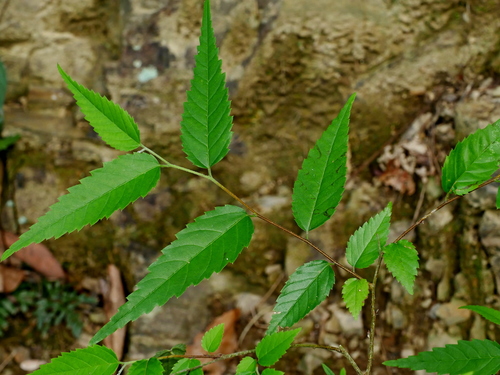
Cannabaceae
42 species
Herbaceous and woody plants including hemp, hops used in brewing, and cannabis.
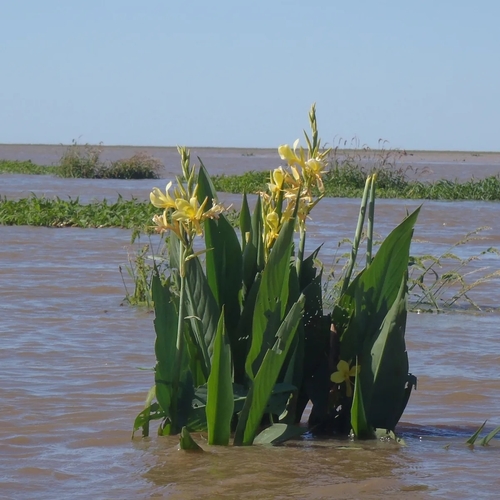
Cannaceae
7 species
Tropical plants with large leaves and showy flowers; includes edible canna lilies with starchy rhizomes.

Cantharellaceae
60 species
Family of fungi; not applicable to vascular plants.
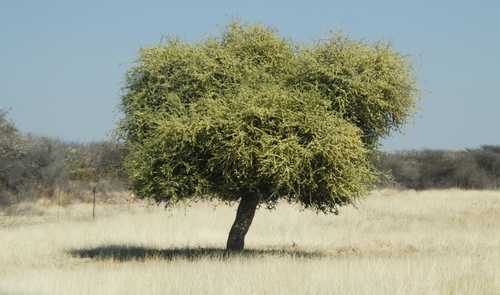
Capparaceae
125 species
Herbaceous plants and shrubs; includes capers used as culinary condiments and related species.

Caprifoliaceae
119 species
Woody plants and herbs including honeysuckles, elderberries, and viburnums with edible berries.

Capsosiphonaceae
1 species
Family of green algae; not applicable to terrestrial vascular plants.
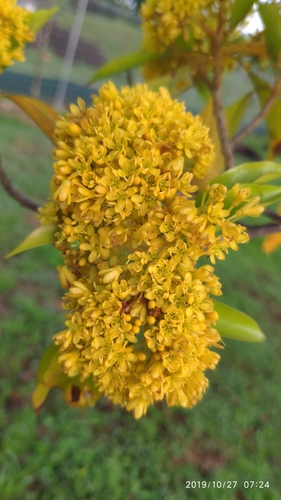
Cardiopteridaceae
7 species
Small family of tropical trees with winged fruits.

Caricaceae
22 species
Tropical trees including papaya with large edible fruits rich in enzymes.

Caryocaraceae
14 species
South American trees producing large oily nuts; includes Brazilian nut-like fruits.
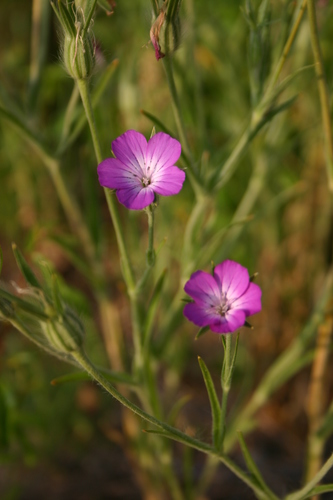
Caryophyllaceae
106 species
Herbaceous plants including carnations, pinks; includes edible chickweed and related species.

Casuarinaceae
12 species
Australian trees resembling conifers; produces edible seeds in some species.
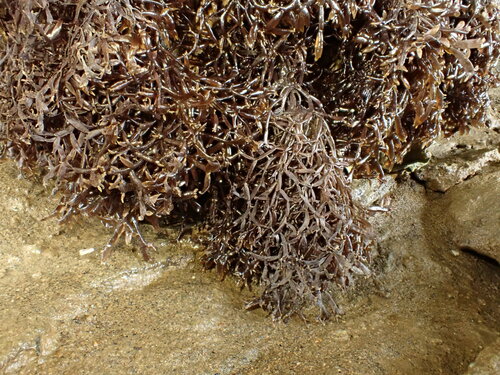
Caulacanthaceae
1 species
Small family of Australian shrubs with needle-like leaves.

Caulerpaceae
15 species
Marine green algae; includes edible sea grapes used in Asian cuisine.

Celastraceae
153 species
Woody plants including spindle trees; some species have edible fruits or seeds.

Centrolepidaceae
1 species
Small family of Australian and New Zealand rush-like herbs.
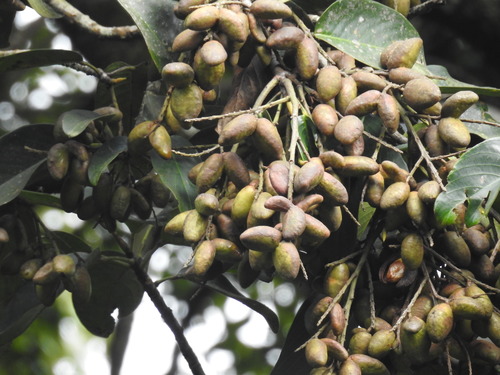
Centroplacaceae
4 species
Family of tropical trees producing oily seeds; includes African plant species.

Cephalotaxaceae
7 species

Ceramiaceae
3 species
Red algae family with delicate branched forms, some used in food and cosmetics.

Ceratophyllaceae
1 species
Aquatic flowering plants with feathery submerged leaves, commonly used in aquariums.

Chloranthaceae
21 species
Small woody plants with fragrant flowers, including wintergreens and aromatic species.

Chlorellaceae
3 species
Single-celled green algae used as nutritional supplements and biofuel sources.
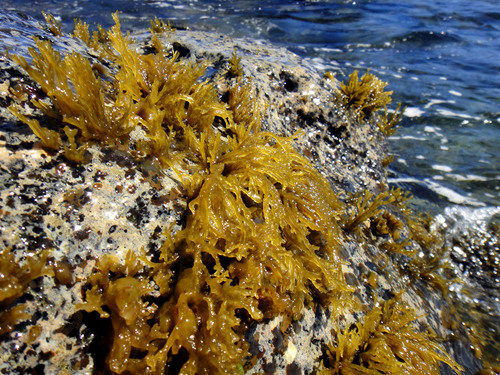
Chnoosporaceae
1 species
Brown algae family found in marine environments, some edible kelp species.
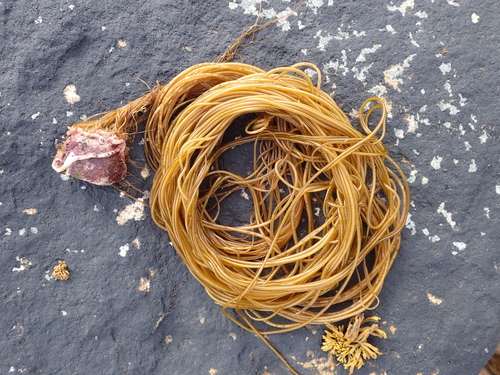
Chordaceae
1 species
Brown algae with cord-like or whip-like structures in marine habitats.

Chordariaceae
1 species
Brown algae family with cylindrical or flattened thallus forms in cold waters.
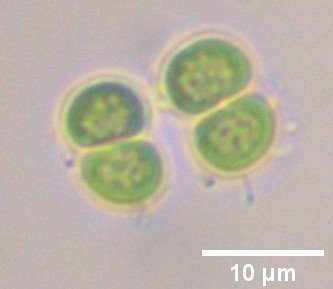
Chroococcaceae
1 species
Cyanobacteria forming colonies, some spirulina species used as protein supplements.

Chrysobalanaceae
95 species
Tropical trees producing edible fruits like cocoplums and chrysobalanus nuts.

Cintractiaceae
1 species
Fungal family associated with plant pathogens and decomposition processes.

Cistaceae
11 species
Shrubby plants with showy flowers, including rock roses, no major edibles.

Cladoniaceae
2 species
Lichen family with cup-shaped fruiting bodies, some traditional medicinal uses.

Cladophoraceae
11 species
Green algae forming filamentous mats in freshwater and marine environments.

Clathraceae
3 species
Fungal family with latticed fruiting bodies, some mushrooms with distinctive cage structures.

Clavariaceae
11 species
Club fungi family with simple or branched fruiting bodies, some edible species.

Clavariadelphaceae
3 species
Club fungi producing upright unbranched or slightly branched fruiting bodies.
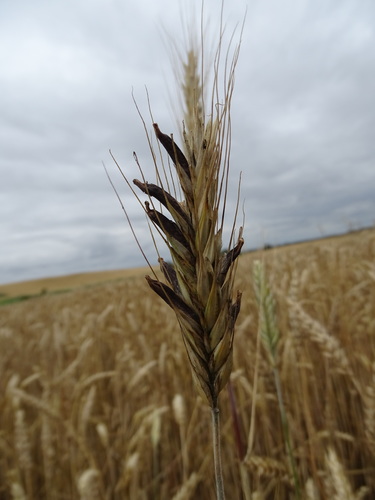
Clavicipitaceae
8 species
Parasitic fungi infecting grasses and insects, including ergot-producing species.

Clavulinaceae
5 species
Club fungi with branched fruiting bodies, some edible coral-like mushrooms.
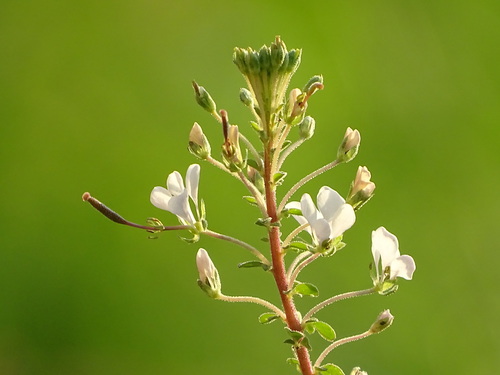
Cleomaceae
30 species
Flowering plants with showy four-petaled flowers, including peppery-fruited spider flowers.

Clethraceae
2 species
Deciduous or evergreen shrubs with aromatic leaves and fragrant flower clusters.

Clusiaceae
177 species
Tropical trees and shrubs producing yellow resins and oils; includes mangosteen and garcinia species.
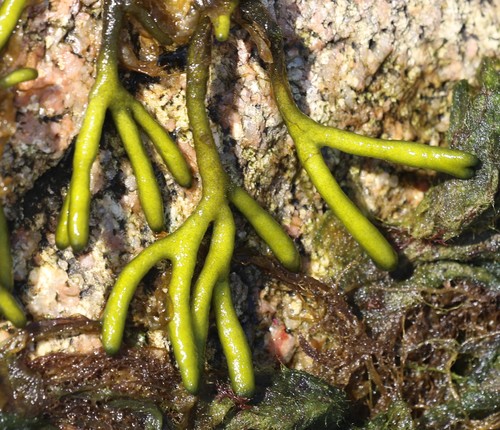
Codiaceae
13 species
Marine green algae forming calcified structures; minor role in human food systems.
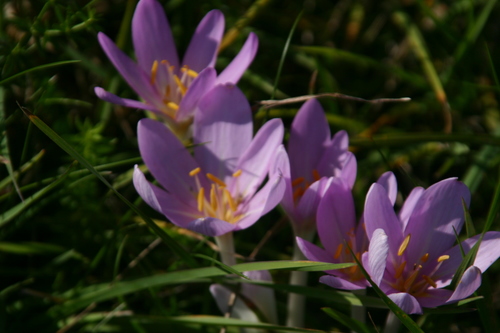
Colchicaceae
22 species
Herbaceous plants including autumn crocus; mostly toxic, medicinally important for gout treatment.

Collemataceae
1 species
Gelatinous lichens; not edible, play ecological roles in soil development.

Combretaceae
126 species
Tropical trees and shrubs; includes combretum species with limited edible uses.

Commelinaceae
74 species
Herbaceous plants with blue flowers; dayflowers and wandering Jew; mostly ornamental.

Connaraceae
17 species
Tropical woody plants; species occasionally used for traditional medicines and minor foods.

Convolvulaceae
143 species
Climbing plants and herbs; includes sweet potato, morning glories, and bindweeds.
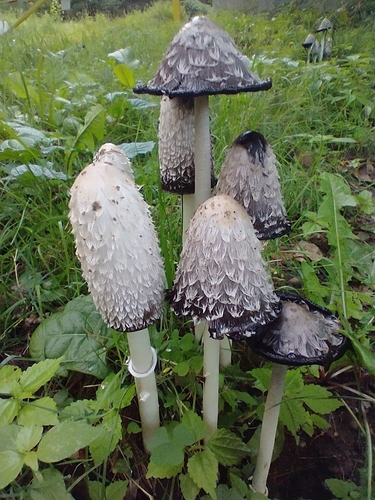
Coprinaceae
25 species
Inky cap mushrooms; some edible species like Coprinellus comatus deteriorate quickly after harvest.

Coriariaceae
8 species
Toxic shrubs producing black berries; no significant edible species.

Coriolaceae
1 species
Shelf mushrooms; includes turkey tail used medicinally but not culinary.

Cornaceae
56 species
Dogwood family; includes edible cornelian cherries and ornamental flowering trees.

Cortinariaceae
17 species
Large mushroom family with brown-spored fruiting bodies; many poisonous, few edible species.

Corynocarpaceae
4 species
New Zealand trees; produces karaka nuts, traditional Maori food source.
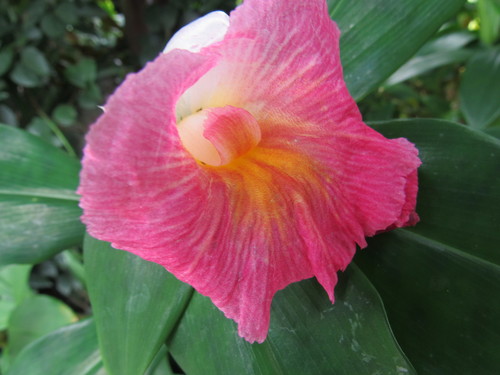
Costaceae
21 species
Spiral ginger family; includes edible and medicinal rhizomes in tropical regions.

Crassulaceae
82 species
Succulents; includes stonecrop and jade plants; minor edible use in Asia.

Craterellaceae
4 species
Chanterelle mushroom family; valued edible fungi with distinctive funnel shape.

Crepidotaceae
5 species
Small brown-spored mushrooms; mostly inedible or toxic species.
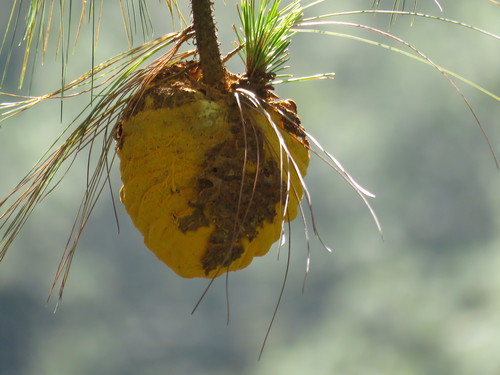
Cronartiaceae
1 species
Rust fungi parasitizing plants; not directly relevant to human food.

Cryptococcaceae
5 species
Yeast-like fungi; includes pathogenic species, not culinary significance.

Cucurbitaceae
229 species
Family of climbing vines producing cucumbers, squashes, melons, and pumpkins with large leaves and tendrils.
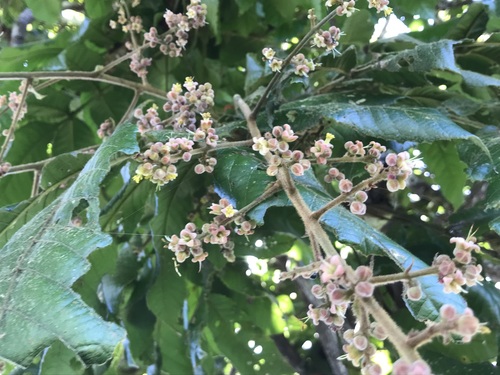
Cunoniaceae
11 species
Tropical and subtropical trees and shrubs, some producing timber; includes species with compound leaves.

Cuppressaceae
1 species
See Cupressaceae (spelling variant).

Cupressaceae
35 species
Coniferous family including cypress, juniper, and arborvitae trees valued for timber and ornamental use.

Cyatheaceae
50 species
Tree fern family with large fronds; ancient group found in tropical and subtropical forests.

Cycadaceae
19 species
Primitive seed plants resembling ferns with stout trunks and feathery leaves; includes cycads and sago palms.

Cyclanthaceae
5 species
Tropical American plants with spiral leaf arrangements; includes Panama hat palm used for weaving.

Cynomoriaceae
2 species
Parasitic plants lacking chlorophyll; rare family with underground stems and fleshy fruiting structures.

Cyperaceae
174 species
Grass-like sedges with triangular stems; abundant in wetlands; includes papyrus and nutgrass species.

Cyphellaceae
1 species
Small fungi forming tiny cup-shaped fruiting bodies on decaying wood in moist environments.

Cystopteridaceae
4 species
Fragile ferns with delicate fronds; small family of herbaceous ferns in temperate regions.
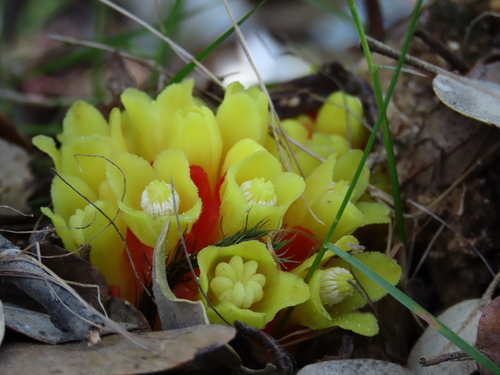
Cytinaceae
2 species
Parasitic plants with no leaves living inside host vines; includes cytinus species.

Cyttariaceae
5 species
Fungi causing galls on southern beech trees; includes edible beech apple fungus in South America.

Dacrymycetaceae
3 species
Jelly fungi producing translucent, gelatinous fruiting bodies on decaying wood.

Daphniphyllaceae
3 species
Evergreen shrubs and trees from Asia; glossy leaves; minimal economic importance.

Datiscaceae
1 species

Davalliaceae
2 species
Epiphytic ferns with scaly rhizomes; includes rabbit's foot fern and similar ornamental species.

Delesseriaceae
3 species
Red algae with delicate, leafy thalli; marine family found in cool coastal waters worldwide.

Dennstaedtiaceae
19 species
Temperate ferns including bracken; some spreading by rhizomes in disturbed forest habitats.

Dennsteadtiaceae
1 species
See Dennstaedtiaceae (spelling variant).

Dermolomataceae
1 species
Small fungi with membranous gill-like structures; inconspicuous woodland decomposers.

Diapensiaceae
1 species
Small herbaceous plants found in alpine and arctic regions, mostly non-edible ornamentals.

Dichapetalaceae
22 species
Tropical trees and shrubs with small flowers; few economically important species.

Dichotomosiphonaceae
1 species
Rare green algae family with simple, branching filamentous structure.

Dicksoniaceae
9 species
Tree ferns native to Southern Hemisphere; some species have edible starchy trunks.

Dicranaceae
1 species
Moss family with forked peristome teeth; common in moist terrestrial habitats.

Dictyotaceae
7 species
Brown algae family with flat, branching fronds; some species used as food supplements.
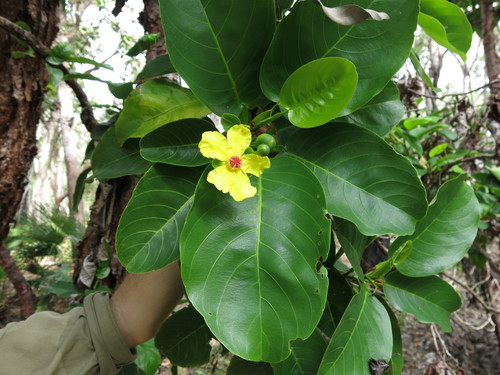
Dilleniaceae
31 species
Tropical and subtropical trees, shrubs, and climbers with showy flowers; limited food uses.

Dioscoreaceae
155 species
Climbing vines producing starchy tubers; includes yams, important staple crops worldwide.

Dipsacaceae
1 species

Dipteridaceae
1 species
Ferns with fan-shaped fronds; mostly tropical ornamental species with little economic value.

Dipterocarpaceae
60 species
Large tropical rainforest trees producing valuable timber and aromatic oils; limited food species.

Discinaceae
5 species
Liverwort family with disc-shaped gemmae cups; small non-vascular plants in moist habitats.

Doryanthaceae
2 species
Australian native plants with large showy red and yellow flowers; rarely cultivated.

Droseraceae
3 species
Carnivorous plants with sticky tentacles that trap insects; includes sundews.

Dryopteridaceae
32 species
Shield ferns family; widespread temperate and tropical ferns, mostly ornamental.

Durvillaeaceae
1 species
Brown algae family with bull kelp; Pacific marine species some harvested for food.

Ebenaceae
131 species
Tropical trees producing ebony wood and persimmons; includes valuable timber and edible fruits.

Ectocarpaceae
1 species
Brown algae family with branching filamentous structure; minor food and industrial uses.

Ehretiaceae
1 species

Elaeagnaceae
49 species
Shrubs and trees with silvery leaves; includes sea buckthorn with nutrient-rich edible berries.

Elaeocarpaceae
109 species
Tropical and subtropical trees; some produce edible fruits and medicinal seeds.

Empetraceae
2 species

Endocladiaceae
3 species
Red algae family with branching fronds; minor commercial use in some regions.

Endomycetaceae
1 species
Ascomycete fungi family containing yeasts and fermentation organisms used in brewing and baking.

Entolomataceae
6 species
Fungal family of gilled mushrooms, mostly inedible or toxic, with pink spore prints.

Epacridaceae
11 species

Ephedraceae
29 species
Gymnosperm shrubs producing ephedrine alkaloids; includes ma huang used traditionally in medicine.

Equisetaceae
12 species
Primitive vascular plants (horsetails) with jointed stems and silica-rich tissues; no true edible species.
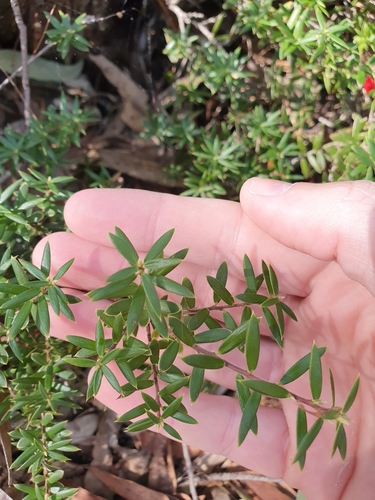
Ericaceae
368 species
Diverse family including heaths, blueberries, cranberries, and rhododendrons; many produce edible berries.

Eriocaulaceae
2 species
Monocot family of small herbaceous plants found in wetlands; generally not economically important.

Erysiphaceae
1 species
Fungal family causing powdery mildew diseases on plants; plant pathogens with no edible use.

Erythropalaceae
5 species
Tropical tree family from South America; some species produce edible fruits and medicinal compounds.

Erythroxylaceae
17 species
Small tree family including coca (Erythroxylum coca), source of cocaine alkaloid.

Escalloniaceae
3 species
South American family of ornamental shrubs with simple leaves; minimal economic importance.

Eucommiaceae
1 species
Single-species family containing rubber tree (Eucommia ulmoides) producing gutta-percha latex.

Euphorbiaceae
314 species
Huge diverse family including cassava, rubber, ricin, and castor bean; many toxic or edible species.

Eupomatiaceae
2 species
Australian rainforest family with aromatic primitive flowers; Eupomatia produces edible fruits.

Eupteleaceae
2 species
Small Asian family of deciduous trees with unusual flower structure; no major economic uses.

Eutuberaceae
21 species
Ascomycete fungal family containing true truffles prized as culinary delicacies.

Exidiaceae
1 species
Gelatinous fungal family including wood ear mushrooms; some species are edible.

Exobasidiaceae
1 species
Parasitic fungal family causing leaf galls on plants; not edible or economically important.
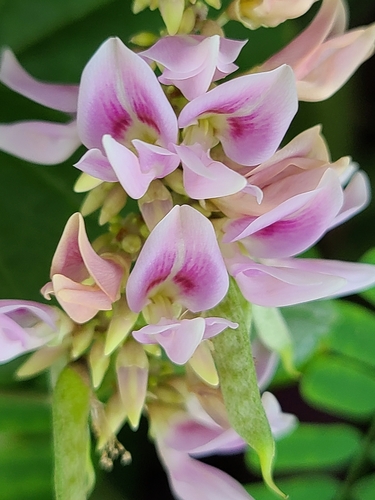
Fabaceae
1953 species
Legume family with nitrogen-fixing roots; includes beans, peas, lentils, peanuts, and alfalfa.

Fagaceae
250 species
Tree family containing oaks, beeches, and chestnuts; produces edible nuts and acorns.
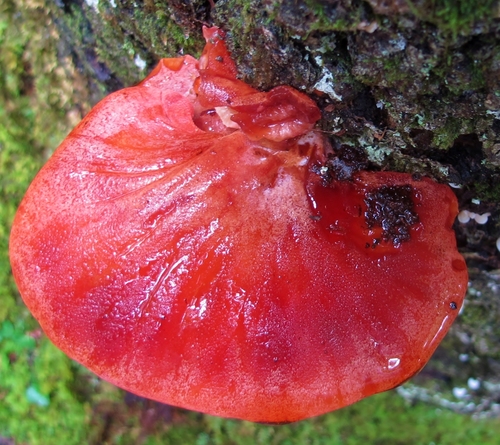
Fistulinaceae
2 species
Fungal family with single pore; includes beefsteak fungus, an edible bracket mushroom.

Flacourtiaceae
1 species

Flagellariaceae
2 species
Tropical climbing plants with long, whip-like leaves; minor ornamental and traditional use species.

Fomitopsidaceae
6 species
Wood-decay fungi family including shelf mushrooms; some species used in traditional medicine.

Fouquieriaceae
1 species
Desert shrubs with succulent stems and colorful flowers; mostly ornamental in cultivation.

Frankeniaceae
3 species
Salt-tolerant shrubs found in coastal and saline environments; minimal economic importance.

Fucaceae
4 species
Brown seaweeds including kelps; economically important for food, fertilizer, and industrial uses.

Furcellariaceae
2 species
Red seaweeds used as carrageenan source; important for food thickening and gelling.
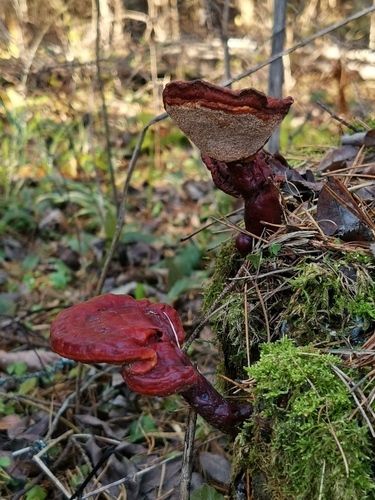
Ganodermataceae
2 species
Shelf fungi with medicinal properties; Reishi mushroom used in traditional Asian medicine.

Garryaceae
1 species
Ornamental evergreen shrubs with distinctive catkin flowers; cultivated for landscaping purposes.

Gayraliaceae
1 species
Obscure plant family with minimal known members; limited economic or ecological importance.

Geastraceae
3 species
Earthstar fungi with distinctive star-shaped spore dispersal structures; mostly inedible.
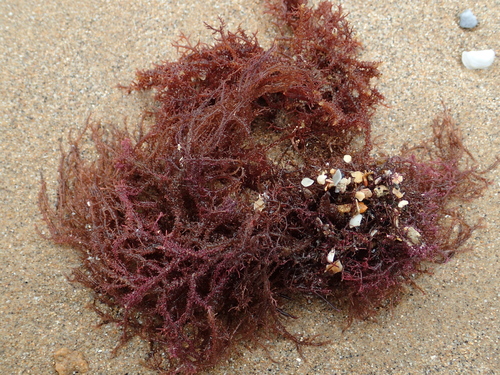
Gelidiaceae
14 species
Red seaweeds yielding agar; essential for laboratory media and food industry uses.

Gelidiellaceae
2 species
Small red seaweeds producing agar; less economically important than related families.

Gelsemiaceae
2 species
Climbing vines; Carolina jasmine valued as ornamental; contains toxic alkaloids.
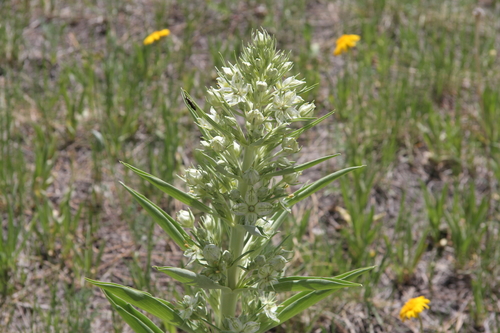
Gentianaceae
54 species
Herbaceous plants with bright flowers; some species used for bitter digestive tonics.

Geoglossaceae
1 species
Earth-tongue fungi with distinctive clublike fruiting bodies; mostly inedible species.

Geraniaceae
75 species
Includes geraniums and pelargoniums; valued ornamental flowers; some produce scented oils.
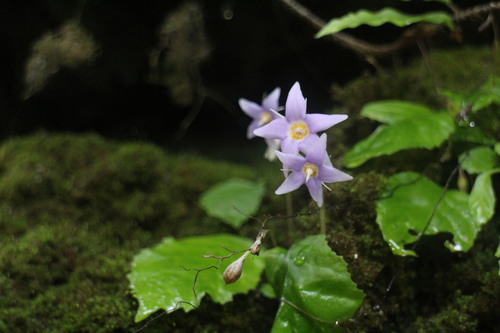
Gesneriaceae
22 species
Tropical herbaceous plants including African violets; popular indoor ornamental houseplants.

Gigartinaceae
20 species
Red seaweeds yielding carrageenan; important for food thickening and industrial applications.
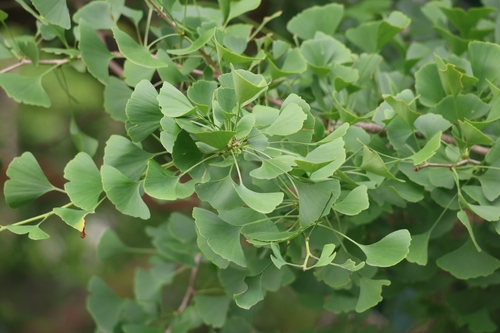
Ginkgoaceae
1 species
Ancient tree family with single living species; ginkgo nuts are edible; medicinal uses.

Gisekiaceae
2 species
Minor succulent herbs; primarily of botanical interest; negligible economic importance.

Gleicheniaceae
4 species
Ancient fern family containing climbing and scrambling ferns with distinctive forked fronds found in tropical and subtropical regions.

Gloeophyllaceae
2 species
Small fungal family of wood-decay basidiomycete fungi with gills, related to polypores and shelf fungi.

Gnetaceae
20 species
Gymnosperm family including Welwitschia and Ephedra, unique plants with vessel elements in their wood.

Gomphaceae
2 species
Fungal family containing tooth fungi and relatives, with spore-bearing structures on gills or ridges rather than pores.

Gomphidiaceae
3 species
Fungal family of slimy cap mushrooms with blackening gills, closely related to boletes and conifers.

Goodeniaceae
5 species
Flowering plant family with mostly Australian wildflowers, small herbs and shrubs with characteristic winged fruits.

Goupiaceae
1 species
Tropical South American tree family producing the Curupay tree, yielding hardwood and edible fruits.

Gracilariaceae
26 species
Red algae family containing economically important species harvested for carrageenan, a common food thickening agent.

Graciliariaceae
1 species
Alternative spelling of Gracilariaceae; red algae family providing carrageenan used in food and cosmetic industries.

Grossulariaceae
143 species
Currant and gooseberry family, producing tart edible berries rich in vitamin C and widely cultivated.
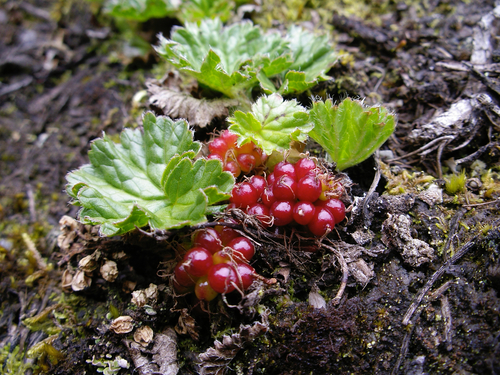
Gunneraceae
4 species
Plant family containing Gunnera, giant rhubarb-like herbs with enormous leaves native to South America.

Gyrostemonaceae
3 species
Small Australian plant family of shrubs and small trees with distinctive spiral-chambered fruits.

Haemodoraceae
6 species
Bloodwort family containing ornamental plants with red sap and rhizomes, including kangaroo paw species.
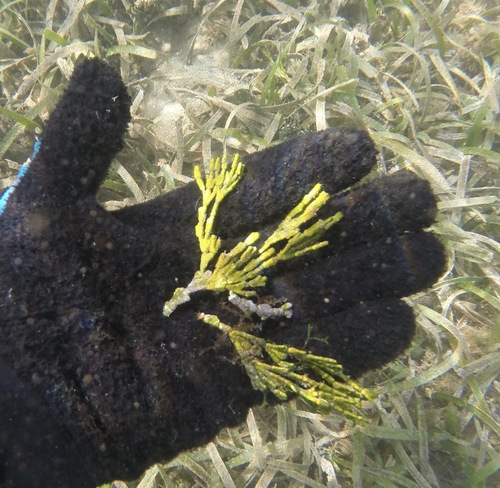
Halimedaceae
1 species
Calcified green algae family producing segmented branching forms, contributes to tropical reef sand.

Haloragaceae
1 species

Haloragidaceae
2 species

Halymeniaceae
9 species
Red algae family with diverse morphologies, some species used as food additives and in agar production.

Hamamelidaceae
6 species
Witch hazel family including ornamental shrubs and trees with fragrant winter flowers and medicinal properties.

Hanguanaceae
1 species
Small palm-like plant family from Southeast Asia containing climbing or spreading monocots with sword-shaped leaves.
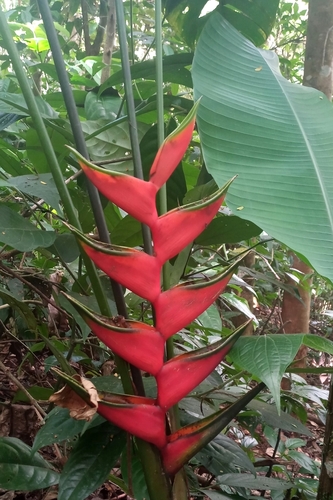
Heliconiaceae
10 species
Tropical flowering plant family with distinctive waxy bracts, lobster-claw flowers, and edible banana-like fruits.

Helvellaceae
6 species
Cup fungus family containing saddle fungi and false morels, some edible but requiring careful identification.

Helwingiaceae
4 species
Small Asian plant family of evergreen shrubs with inconspicuous flowers and distinctive spine-like inflorescences.

Hernandiaceae
4 species
Tropical trees and shrubs in the laurel order, including species with aromatic properties and some edible fruits.

Himanthaliaceae
1 species
Brown seaweeds found in cool coastal waters, sometimes harvested as sea vegetables.

Hippuridaceae
1 species

Huaceae
1 species
Small tropical family of trees and shrubs native to South America with limited commercial importance.

Humiriaceae
20 species
Tropical South American trees producing hard wood and some edible fruits rarely used locally.

Hyacinthaceae
6 species
Bulbous flowering plants including edible hyacinth beans and ornamental species with clustered blue or purple flowers.
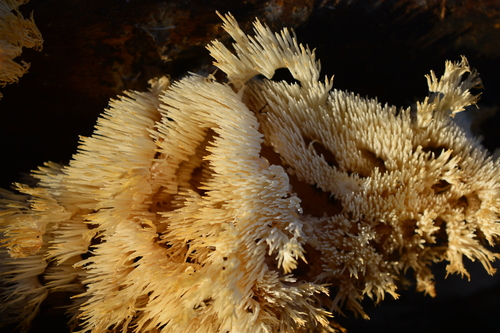
Hydnaceae
8 species
Fungi with tooth-like or spine-like structures under the cap; includes edible species like hedgehog mushrooms.

Hydrangeaceae
21 species
Ornamental shrubs and vines known for large, showy flower clusters; includes hydrangeas and mock orange.

Hydrocharitaceae
14 species
Aquatic flowering plants including waterweed and frogbit; some species used in aquariums and water gardens.

Hydrodictyaceae
1 species
Freshwater green algae forming net-like or colonial structures; minimal economic importance.

Hydroleaceae
1 species
Small family of herbs and shrubs with blue flowers, primarily found in warm regions.

Hygrophoraceae
19 species
Fungi with waxy gill texture; includes edible wax cap mushrooms found in grasslands and woodlands.

Hymenogastraceae
3 species
Underground-fruiting fungi related to truffles; some species edible but not commercially significant.

Hypericaceae
23 species
Herbaceous plants and shrubs including St. John's Wort; many species have medicinal properties.
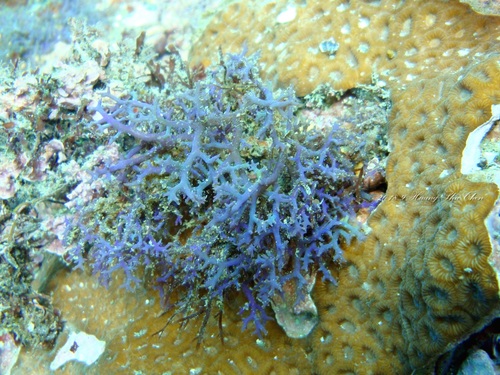
Hypneaceae
4 species
Red seaweeds used in Asia as food and for carrageenan extraction in food production.

Hypocreaceae
2 species
Parasitic and saprophytic fungi; includes cordyceps and some species used in traditional medicine.

Hypodematiaceae
1 species
Small fungal family with limited economic or ecological importance in most regions.

Hypoxidaceae
21 species
Herbaceous plants with star-shaped yellow flowers; includes some species with medicinal or ornamental value.

Hypoxylaceae
1 species
Wood-decaying fungi that form dark fruiting bodies; minor role in forest ecosystems.

Icacinaceae
35 species
Tropical trees and shrubs producing edible fruits like plums and some timber species.

Illiciaceae
1 species

Inocybaceae
1 species
Fungi with distinctive fibrous caps; mostly inedible, some toxic species mistaken for edible mushrooms.

Iridaceae
142 species
Flowering plants with sword-like leaves including iris, crocus, and saffron; grown for ornament and spice.

Irvingiaceae
6 species
Tropical African trees producing edible mango-like fruits and seeds used in West African cuisine.

Ishigeaceae
1 species

Isoetaceae
2 species
Aquatic and terrestrial fern allies with grass-like leaves, mostly small primitive vascular plants.

Ixonanthaceae
1 species
Small tropical tree family from Africa and Asia with limited economic importance.

Juglandaceae
56 species
Trees producing nuts including walnuts, pecans, and hickories; economically important for nuts and timber.

Juncaceae
10 species
Rush family of grass-like herbaceous plants inhabiting wet areas; used for basketry and thatching.

Juncaginaceae
11 species
Small aquatic and wetland herb family with arrow-grass species; minor ecological importance.

Kallymeniaceae
1 species
Red algae family from marine environments; some species harvested for food and cosmetic uses.

Kewaceae
2 species
Rare African tree family with very limited distribution and minimal economic importance.
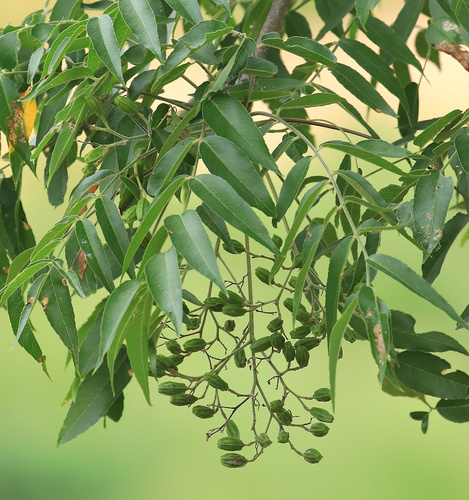
Kirkiaceae
3 species
Small African tree family with aromatic properties; limited commercial use in traditional medicine.

Krameriaceae
2 species
Desert shrub family from Americas with astringent properties; historically used in traditional remedies.

Lacistemataceae
2 species
Small tropical tree family from South America with limited economic or culinary importance.

Lamiaceae
669 species
Mint family including basil, oregano, thyme, rosemary, and sage; essential for cooking and medicine.

Laminariaceae
10 species
Kelp family of large brown algae harvested for food, fertilizer, and industrial compounds worldwide.
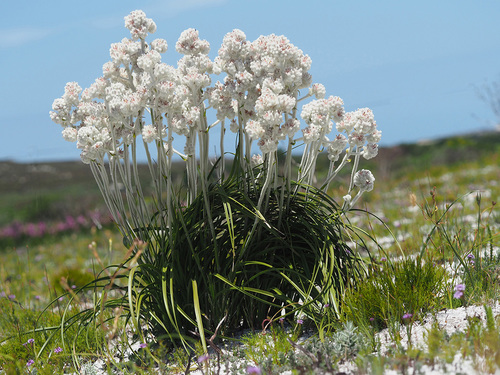
Lanariaceae
1 species
South African plant family related to bromeliads; minor horticultural and ornamental importance.

Lardizabalaceae
16 species
Climbing vines from East Asia producing edible berries and used ornamentally in gardens.

Lauraceae
189 species
Trees and shrubs including bay laurel, cinnamon, avocado, and camphor; important spice and fruit crops.

Lecythidaceae
61 species
Tropical rainforest trees including Brazil nut tree; produces edible nuts and hard woods.

Leguminosae
1 species

Lemaneaceae
2 species
Red algae family from freshwater environments; minimal economic importance with limited human use.

Lentibulariaceae
2 species
Carnivorous plants including bladderworts and butterworts that trap aquatic prey using specialized leaf structures.

Lessoniaceae
5 species
Brown algae family containing large kelps and seaweeds found in cold ocean waters worldwide.
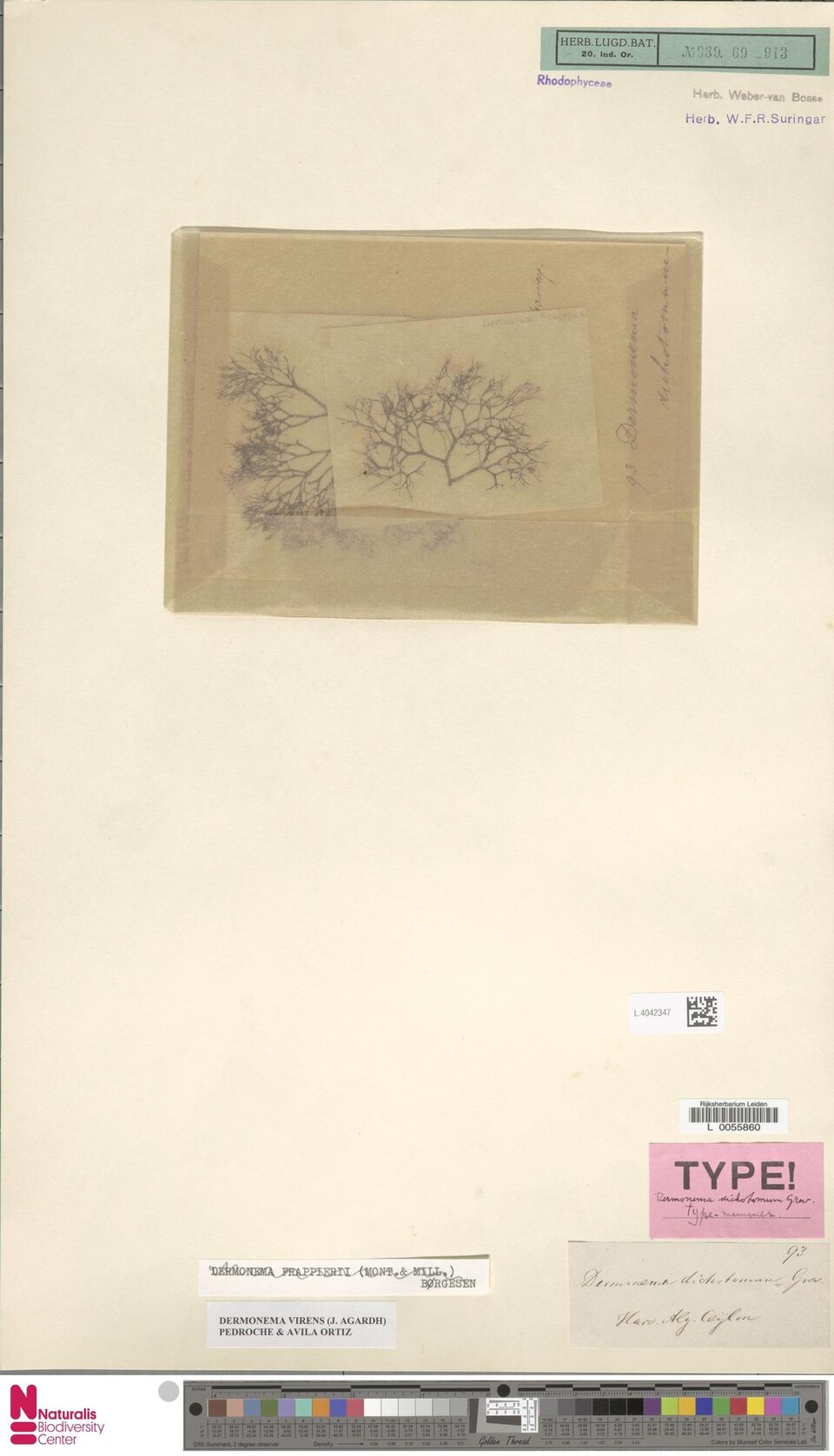
Liagoraceae
2 species
Small family of red algae, mostly microscopic species found in marine environments.

Liliaceae
140 species
Monocots including lilies, tulips, and onions; diverse herbs with bulbs and colorful flowers.
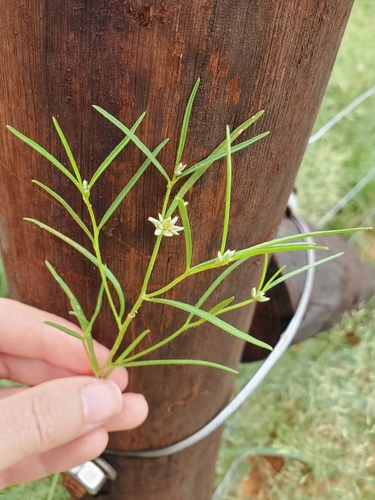
Limeaceae
2 species
Extinct early fish family; not applicable to modern plant classification systems.

Linaceae
10 species
Flax family producing linseed oil and fiber; includes herbaceous plants with small clustered flowers.

Linderniaceae
7 species
Small family of herbaceous plants, some used traditionally in Asian medicine and cuisines.

Loasaceae
13 species
Tropical and subtropical herbs with stinging hairs, showy flowers, and sometimes edible fruits.
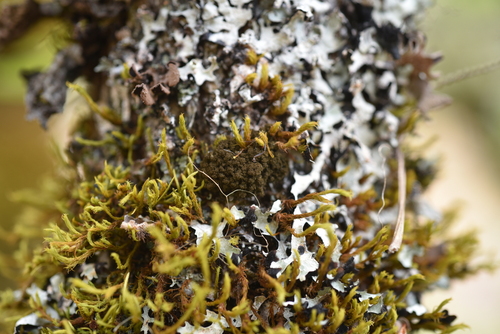
Lobariaceae
5 species
Lichen family combining fungi and algae; found on trees and rocks in humid regions.

Loganiaceae
41 species
Tropical woody plants including strychnine tree; various species with medicinal and toxic properties.

Lomandraceae
1 species
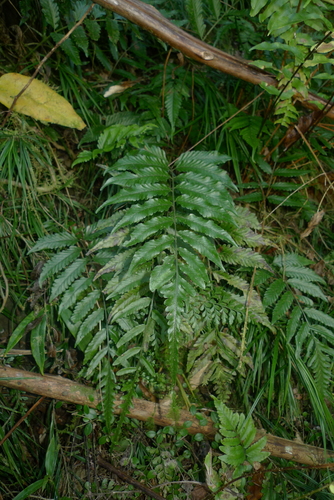
Lomariopsidaceae
1 species
Ferns with climbing or creeping fronds, found in tropical rainforests and moist habitats.

Lophiocarpaceae
2 species
Small family of tropical trees with unusual fruit structures and limited economic importance.

Loranthaceae
56 species
Parasitic flowering plants (mistletoes) living on tree branches with colorful berries and flowers.

Lycoperdiaceae
36 species
Puffball fungi family producing spore-filled fruiting bodies, some species edible when young.

Lycopodiaceae
3 species
Ancient clubmosses with scale-like leaves; primitive vascular plants reproducing via spores.
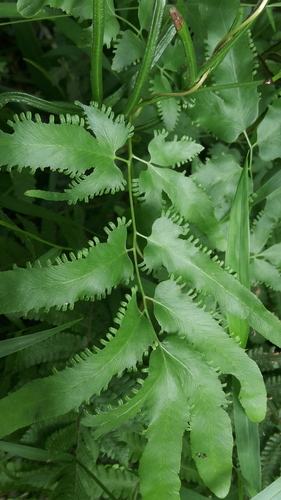
Lygodiaceae
6 species
Climbing ferns with feathery fronds, found in tropical and subtropical moist regions.

Lyophyllaceae
19 species
Wood-decomposing fungi family including gilled mushrooms found on dead wood.
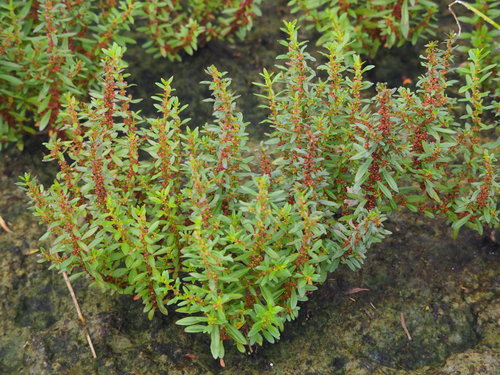
Lythraceae
37 species
Diverse herbs and shrubs including loosestrife; some produce dyes and have medicinal uses.
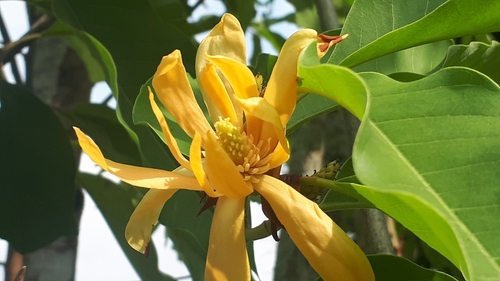
Magnoliaceae
30 species
Ancient flowering trees including magnolias and tulip trees; large fragrant flowers and edible fruits.
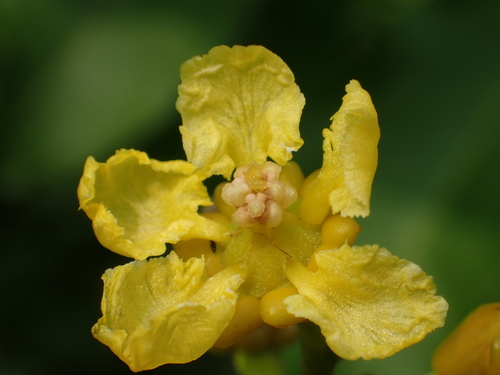
Malpighiaceae
57 species
Large tropical family including passionfruits, flax, and hypericum; diverse morphology and uses.
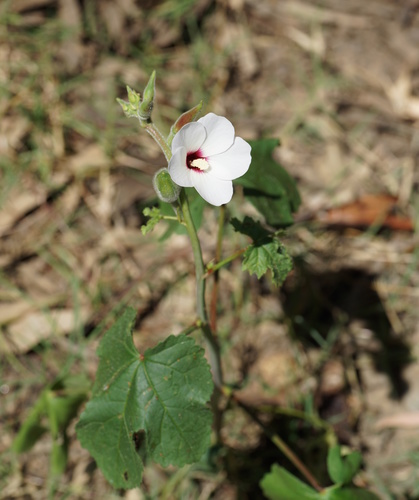
Malvaceae
634 species
Family including hibiscus, okra, and cacao; characterized by five petals and prominent stamens.

Marantaceae
51 species
Tropical plants with distinctive leaves; includes arrowroot and prayer plant, valued for starch and ornament.

Marasmiaceae
48 species
Family of small, delicate fungi; includes edible species like fairy ring mushrooms.

Marattiaceae
14 species
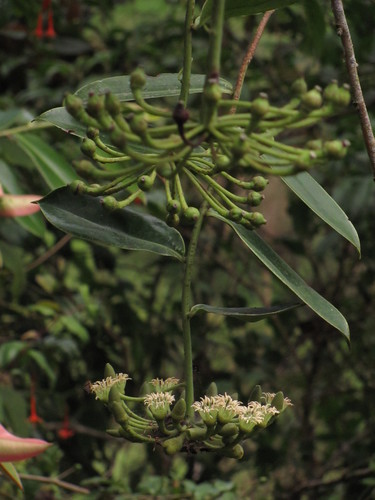
Marcgraviaceae
1 species
Tropical climbing plants with specialized nectar-producing bracts; includes mostly non-edible ornamentals.
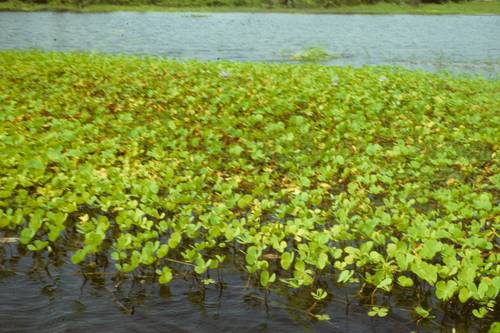
Marsileaceae
8 species
Aquatic ferns with clover-like leaves; some species used as vegetables in Asian cuisine.

Martyniaceae
6 species
Plants producing distinctive hooked seed pods; devil's claw used medicinally and ornamentally.

Mastigocladaceae
1 species
Filamentous cyanobacteria family; rarely edible, primarily ecological interest.

Megasporaceae
1 species
Fungal family with large spores; saprotrophs playing roles in forest decomposition.

Melanogastraceae
1 species
Family of truffle-like fungi; some species edible or used as flavoring agents.

Melanthiaceae
18 species
Herbaceous plants including baneberry and false hellebore; mostly toxic, not edible.
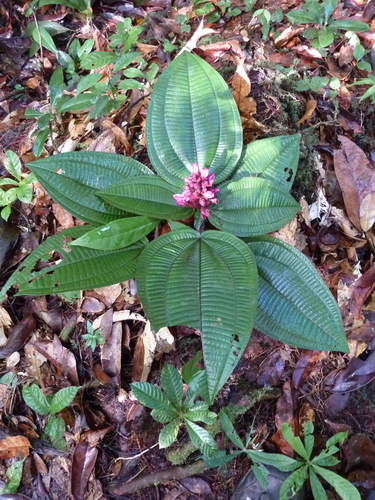
Melastomataceae
188 species
Tropical shrubs with distinctive flowers; includes edible Tibouchina and medicinal species.

Meliaceae
139 species
Family containing mahogany and neem; includes edible chinaberry and West Indian cedar.

Melianthaceae
6 species
Southern African plants with nectar-rich flowers; primarily ornamental with no culinary significance.

Menispermaceae
73 species
Climbing vines producing moon-seed fruits; mostly toxic despite edible-appearing berries.
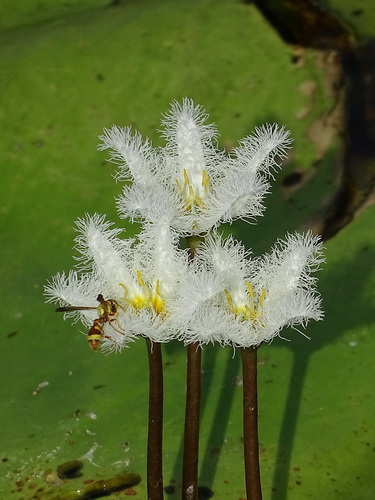
Menyanthaceae
8 species
Aquatic and wetland plants including bogbean; some traditionally used as bitter herbs.

Meripilaceae
1 species
Wood-decay fungi family; includes bracket mushrooms without culinary or edible value.

Meruliaceae
3 species
Family of shelf and bracket fungi; saprotrophs with no edible species.

Metteniusaceae
1 species
Small tropical tree family; largely unknown with minimal economic or culinary importance.

Mettenuisaceae
1 species
Rare tropical family; taxonomically obscure with negligible economic or edible significance.
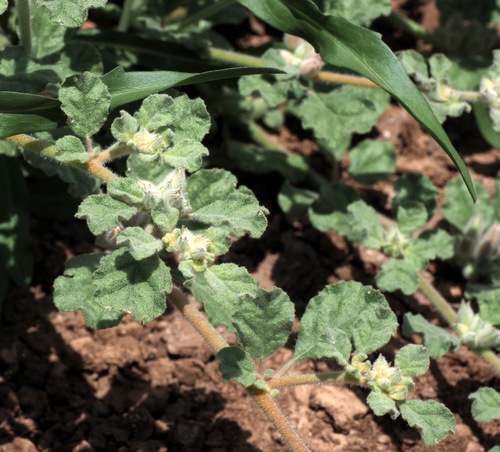
Molluginaceae
7 species
Small herbaceous plants in tropical/subtropical regions, some used as leafy vegetables in Asian cuisines.

Monascaceae
2 species
Fungi producing monacolin compounds; used in fermented foods and traditional medicine.

Monimiaceae
9 species
Tropical woody plants with aromatic leaves; includes species with culinary or medicinal uses.

Monostromataceae
2 species
Marine green algae; simple seaweed species with minimal commercial significance.

Montiaceae
30 species
Small succulent herbs including spring beauty; minor edible tubers in some cultures.

Montiniaceae
1 species
Tropical African shrubs and trees; limited economic importance.

Moraceae
419 species
Includes figs, mulberries, breadfruit, and jackfruit; important tropical fruits and timber trees.
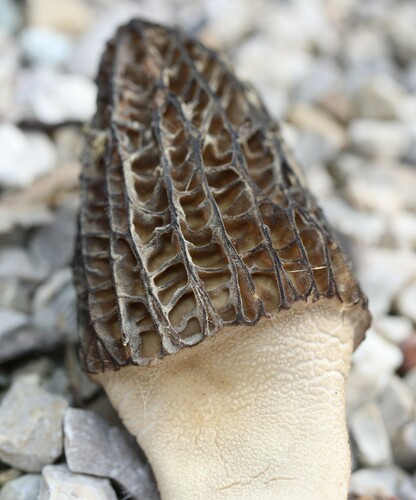
Morchellaceae
16 species
True morel mushrooms; highly prized edible fungi with distinctive honeycomb caps.
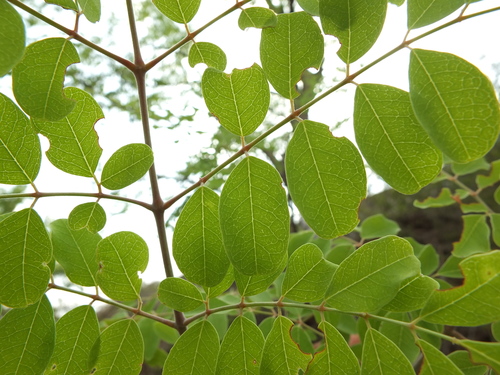
Moringaceae
8 species
Drumstick/moringa tree; highly nutritious leafy vegetable and seeds used in tropical regions.

Mucedinaceae
1 species
Fungal family with cellulose-degrading molds; mostly decomposers with limited practical use.

Mucoraceae
6 species
Fast-growing molds including bread molds; used in fermented foods and bioproduction.

Muntingiaceae
1 species

Musaceae
20 species
Banana and plantain family; globally important staple fruits and carbohydrate sources.

Mycenaceae
3 species
Small delicate mushrooms; some edible species but many toxic look-alikes.

Myricaceae
21 species
Aromatic shrubs including bayberry and waxmyrtle; used for wax and seasonings.

Myristicaceae
57 species
Nutmeg and mace family; valuable warm spice from tropical seed coverings.

Myrsinaceae
5 species
Tropical and subtropical shrubs; includes some plants with edible berries.

Myrtaceae
609 species
Eucalyptus, guava, myrtle; includes berries, spices, and essential oil sources.

Najadaceae
3 species

Nartheciaceae
3 species
Bog plants with modest flowers; no significant culinary or commercial importance.

Nelumbonaceae
2 species

Nepenthaceae
1 species
Tropical carnivorous pitcher plants; ornamental species with no edible use.

Nephrolepidaceae
4 species
Sword ferns; common ornamental houseplants with no culinary significance.

Neuradaceae
1 species
Small herb family found in arid regions; contains low-growing plants with minimal economic importance.

Nidulariaceae
1 species
Fungal family of tiny "bird's nest" fungi with cup-shaped fruiting bodies.

Nitrariaceae
5 species
Small shrub family from arid regions; contains salt-tolerant plants with minor edible fruits.

Nostocaceae
4 species
Cyanobacteria family forming gelatinous colonies; includes edible spirulina-related organisms.
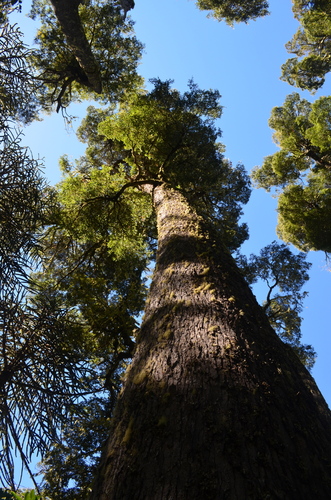
Nothofagaceae
2 species
Southern beech trees from Southern Hemisphere; produces small edible nuts.

Nyctaginaceae
44 species
Four o'clock family; ornamental herbs and shrubs with showy flowers and edible roots in some species.

Nymphaeaceae
22 species
Water lily family; aquatic plants with large floating leaves and edible rhizomes/seeds.

Nyssaceae
2 species

Ochnaceae
35 species
Tropical family including Mickey Mouse plant; ornamental shrubs with colorful fruits.

Olacaceae
25 species
Tropical tree family with small flowers; includes some species with edible fruits.

Oleaceae
51 species
Ash, olive, and lilac family; includes olives, jasmine, and valuable timber trees.

Onagraceae
69 species
Evening primrose family; includes edible plants like evening primrose oil and berries.

Onocleaceae
2 species
Small fern family with sensitive fern; includes some edible fiddleheads.

Ophiocordycipitaceae
1 species
Fungal family of cordyceps; includes insect-parasitic fungi used in traditional medicine.

Ophioglossaceae
9 species
Adder's tongue fern family; small primitive ferns with simple fronds.

Opiliaceae
8 species
Tropical tree family with small flowers; minor edible fruits in some species.

Orchidaceae
324 species
Largest flowering family with 25,000+ species; mostly ornamental; vanilla is primary edible crop.

Orobanchaceae
56 species
Parasitic plants including broomrape; some species edible but mostly weeds.

Oscillatoriaceae
2 species
Cyanobacteria family forming filamentous mats; includes spirulina and edible algae.

Osmundaceae
4 species
Royal fern family; large primitive ferns; fiddleheads are edible delicacy.

Otideaceae
1 species
Small fungal family of cup fungi; mostly inedible and microscopically small.

Oxalidaceae
66 species
Wood sorrels and their relatives; some species edible with tart leaves, others cultivated ornamentally.

Paeoniaceae
17 species
Peonies; herbaceous and woody ornamental plants prized for large, colorful flowers.

Palmariaceae
3 species
Red algae family; includes edible and commercially harvested seaweed species.

Pandaceae
3 species
Small tropical tree family; includes plants with edible fruits and useful timber.

Pandanaceae
66 species
Screw pines; tropical plants with long leaves; some species produce edible fruits and fibers.

Papaveraceae
60 species
Poppy family; includes ornamental poppies, opium poppy, and plants yielding culinary seeds.

Parmeliaceae
19 species
Lichens; symbiotic fungi and algae; some species edible and used in traditional medicines.

Passifloraceae
131 species
Passion fruits; climbing vines with exotic flowers and nutritious, tart edible fruits.

Paxillaceae
3 species
Fungi family; includes brown rot wood-decomposing mushrooms, mostly inedible or toxic.

Pedaliaceae
21 species
Sesame family; herbaceous plants producing sesame seeds and other oil-rich seeds for food.
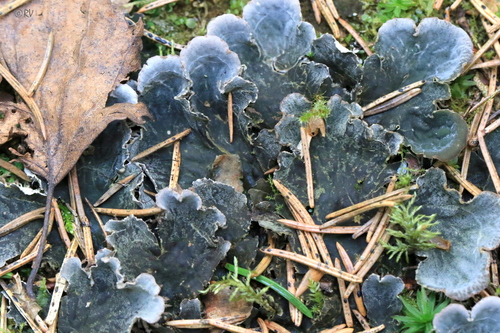
Peltigeraceae
2 species
Lichens; symbiotic organisms; some species used as traditional foods and medicines.
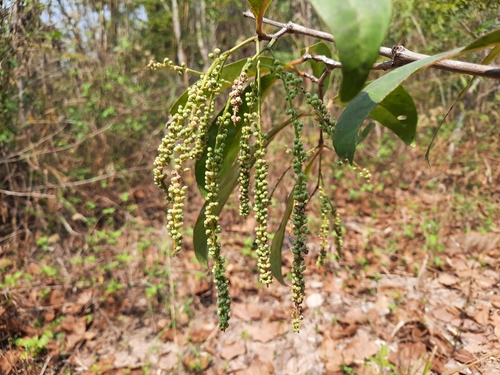
Penaeaceae
2 species
Small African shrub family; ornamental plants with minimal culinary or commercial importance.

Pentadiplandraceae
1 species
Tropical African trees; rarely cultivated, producing fruits with limited commercial use.

Pentaphragmataceae
1 species
Herbaceous plants from tropical Asia; minimal economic importance or culinary use.
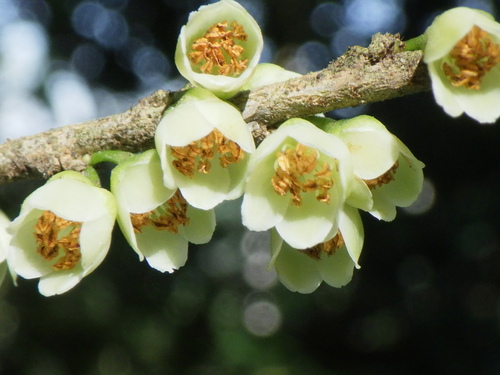
Pentaphylacaceae
20 species
Tropical trees and shrubs; primarily ornamental with limited edible or commercial products.
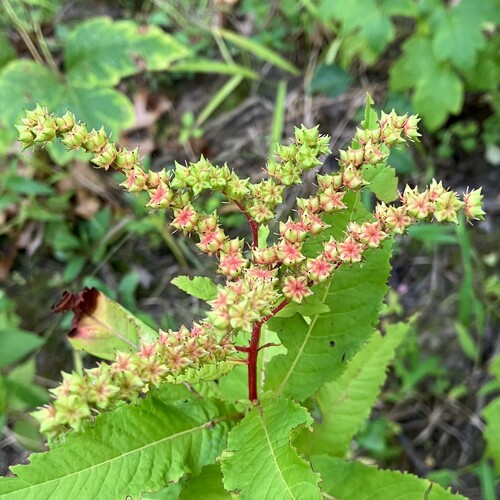
Penthoraceae
1 species
Ditch stonecrop family; small herbaceous plants with minimal culinary or economic significance.

Peraceae
5 species
Tropical trees; produce edible fruits, though rarely cultivated outside native regions.

Peridiscaceae
1 species
Tropical tree family; limited economic importance; minimal culinary or commercial use.

Petiveriaceae
2 species
Herbaceous plants; some used in traditional medicine; minimal widespread culinary significance.

Pezizaceae
5 species
Fungi family; includes cup fungi; some edible species like morels, though variable toxicity.

Phallaceae
8 species
Fungi family including stinkhorns; fruiting bodies with foul odor dispersed by insects.

Phanerochaetaceae
1 species
Wood-decay fungi family; includes bracket fungi and species used in traditional medicine.
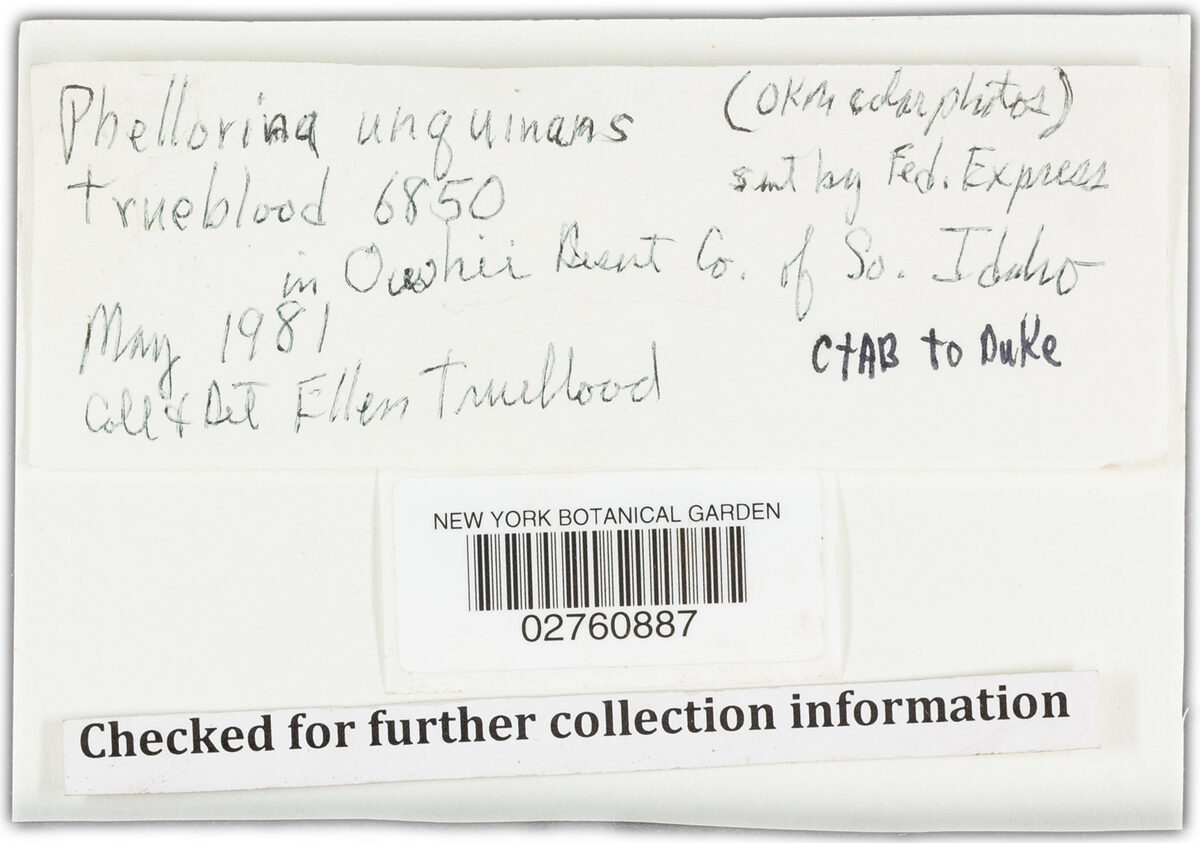
Phelloriniaceae
1 species
Small fungal family; earthstar-like fungi with spore-containing structures beneath soil surface.

Philesiaceae
2 species
Rare Chilean plants; woody vines with red flowers; limited horticultural use.

Phrymaceae
5 species
Flowering plants including lopseed; small herbaceous plants native to Asia and Americas.
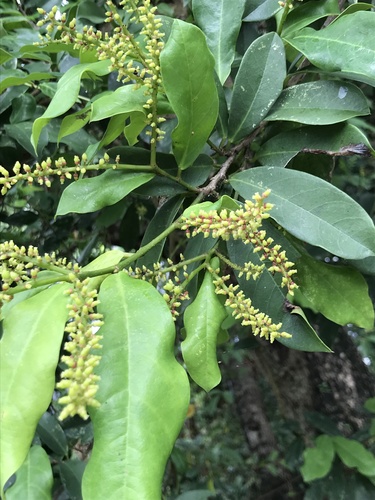
Phyllanthaceae
206 species
Tropical/subtropical plants including leaf flowers; some species produce edible fruit or medicinal compounds.

Phyllophoraceae
2 species
Red algae family; includes carrageenan-producing species valuable in food and cosmetic industries.

Physalacriaceae
1 species
Fungal family including honey mushrooms; edible fungi with clustered fruiting bodies on wood.

Physaraceae
1 species
Slime mold family; plasmodial organisms producing spore cases on decaying wood and plant matter.

Physciaceae
1 species
Lichen family; includes common foliose and fruticose lichens found on trees and rocks.
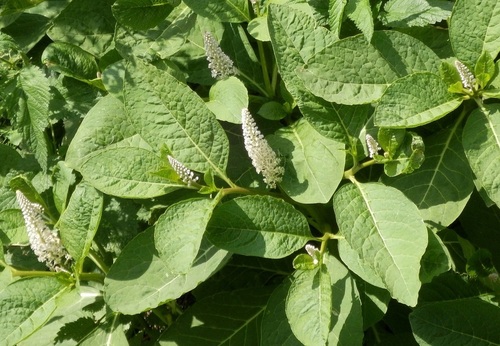
Phytolaccaceae
9 species
Berried plants including pokeweed; some edible berries, though many species contain toxic compounds.

Picramniaceae
6 species
Tropical South American plants; small family with bitter wood used in traditional medicine.
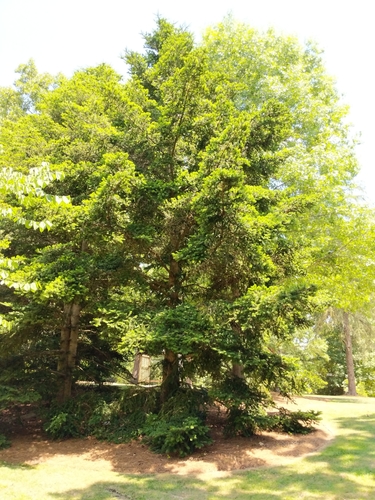
Pinaceae
128 species
Conifer family including pines, firs, spruces; major timber source and valuable seed-bearing plants.

Piperaceae
89 species
Pepper family; includes black pepper and other spice plants with pungent aromatic fruits.

Pisolithaceae
1 species
Fungal family; puffball-like fungi producing chambered spore masses within underground fruiting bodies.

Pistaciaceae
2 species

Pittosporaceae
23 species
East Asian ornamental shrubs and trees; glossy-leaved plants with fragrant flowers and seed capsules.

Plantaginaceae
74 species
Flowering plant family including plantains and snapdragons; mostly herbaceous with simple leaves.

Platanaceae
2 species
Plane trees; large deciduous trees with distinctive peeling bark and sycamore-like fruits.

Pleurotaceae
43 species
Fungal family including oyster mushrooms; edible wood-decay fungi with shelf-like fruiting bodies.

Plocamiaceae
1 species
Red algae family; branched seaweeds from cold waters with limited commercial applications.

Plumbaginaceae
11 species
A family of flowering plants including statice and leadwort, often grown as ornamentals with colorful flowers.

Pluteaceae
20 species
A fungal family of gilled mushrooms, including the deer mushroom and other woodland species.

Poaceae
825 species
The grass family containing wheat, rice, corn, barley, and oats—humanity's most important food crops.

Podocarpaceae
29 species
A family of conifers native to Southern Hemisphere regions, including timber and ornamental trees.

Podostemaceae
5 species
Aquatic flowering plants adapted to fast-flowing rivers, rarely cultivated and of minimal economic importance.

Polemoniaceae
7 species
A family of flowering plants including phlox and Jacob's ladder, valued for colorful garden displays.

Polyblepharidaceae
1 species
A family of green algae found in freshwater environments with minimal human economic significance.

Polygalaceae
45 species
A family of herbaceous plants and shrubs including milkworts, mostly ornamental with few edible species.

Polygonaceae
299 species
A family containing buckwheat, rhubarb, sorrel, and dock—plants valued for grains and leafy vegetables.

Polyphysaceae
1 species
A family of dinoflagellates, microscopic marine organisms important in ocean ecosystems and harmful algal blooms.
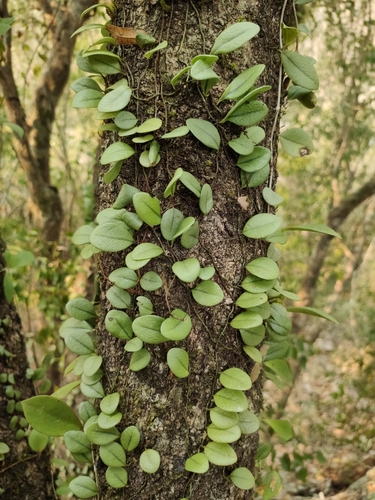
Polypodiaceae
42 species
A family of true ferns with fronds, commonly found in forests and cultivated as houseplants.

Polyporaceae
74 species
A family of shelf fungi and bracket fungi, including edible species like chicken of the woods.

Polytrichaceae
1 species
A family of mosses, including hair cap mosses, found in moist forests and acidic soils.

Pontederiaceae
6 species
Aquatic flowering plants including water hyacinth and pickerel rush, used in ornamental water gardens.

Porphyridiaceae
1 species
A family of red algae used in research and biotechnology, some species cultured commercially.
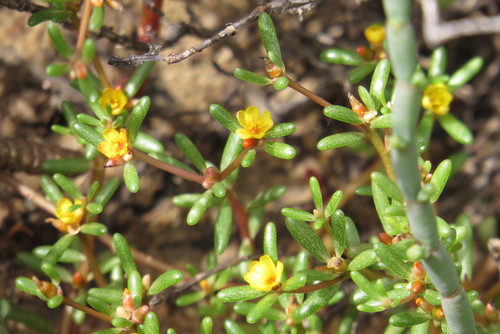
Portulacaceae
26 species
A family including purslane and miner's lettuce—succulent edible greens and ornamental flowering plants.

Potamogetonaceae
11 species
Aquatic plants including pondweeds, important for freshwater ecosystem structure and fish habitat.

Prasiolaceae
2 species
A family of green algae found in freshwater and marine environments with minimal commercial use.

Primulaceae
163 species
A family including primrose, cyclamen, and pimpernel, prized as decorative garden and indoor flowering plants.

Proteaceae
136 species
A Southern Hemisphere family including protea, macadamia nuts, and Australian native ornamental trees.
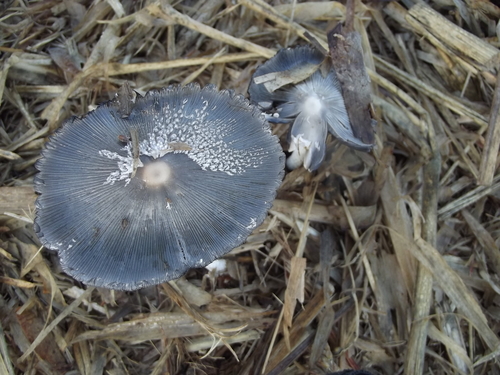
Psathyrellaceae
4 species
Family of small, delicate mushrooms with thin fruiting bodies, including edible species like ink caps.
🌿
Pseudanabaenaceae
1 species
Filamentous cyanobacteria family found in freshwater and marine environments, important for nitrogen fixation.

Psilotaceae
1 species
Ancient vascular plants lacking true roots and leaves, primitive ferns with whisk-like branching.

Pteridaceae
38 species
Fern family including bracken and maidenhair ferns, with fronds varying from delicate to robust.
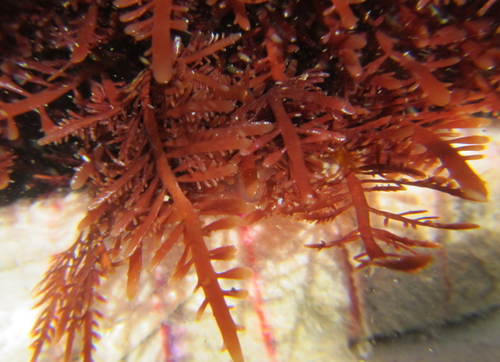
Pterocladiaceae
1 species
Red algae family containing gelidium species used commercially to produce agar for culinary and scientific use.

Putranjivaceae
26 species
Small tropical tree family with dioecious species producing useful timber and medicinal compounds.

Pylaisiadelphaceae
1 species
Moss family characterized by pinnately branched shoots, common in temperate forests on bark and soil.

Pyrolaceae
1 species

Pyronemataceae
1 species
Fungal family of small cup fungi and earth-tongue species found decomposing organic matter in soil.

Rafflesiaceae
1 species

Ramalinaceae
3 species
Lichen family with branched fruticose or foliose forms, commonly found on tree bark and rocks.

Ramariaceae
35 species
Fungal family of coral fungi and club fungi, some edible species like cauliflower mushrooms.

Ranunculaceae
152 species
Buttercup family including diverse herbs with simple flowers; contains buttercups, anemones, and columbines.
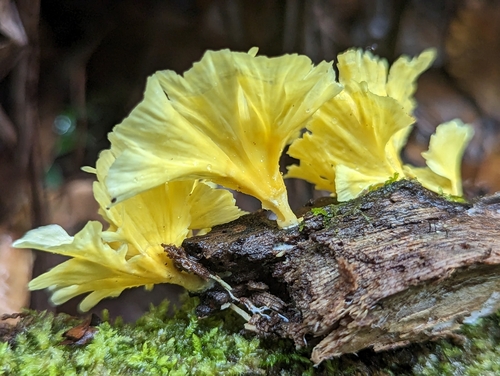
Repetobasidiaceae
1 species
Fungal family with basidiomycete fruiting bodies, typically small wood-decaying species.
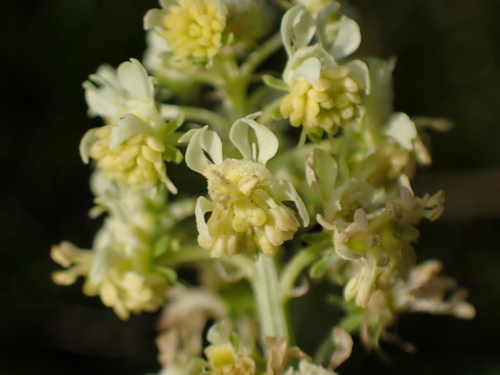
Resedaceae
8 species
Small herb family including mignonette and weld, historically used for yellow dyes.
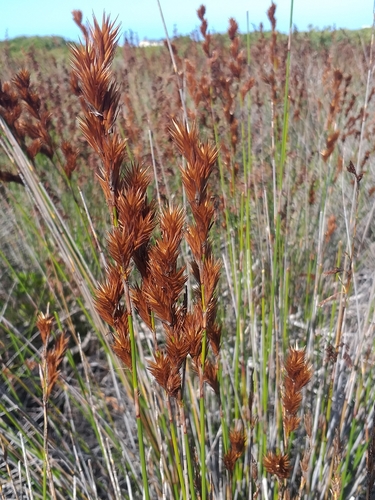
Restionaceae
1 species
Grass-like southern hemisphere family with rush-like shoots, important in wetland ecosystems.
Reticulariaceae
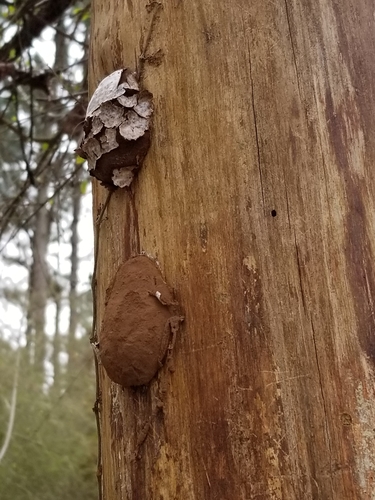
1 species
Fungal family of slime molds forming network-like plasmodia during their life cycle.

Rhamnaceae
145 species
Woody plant family including buckthorn and jujube; produces edible fruits and medicinal compounds.

Rhizophoraceae
18 species
Mangrove family with salt-tolerant trees adapted to coastal environments with specialized aerial roots.

Rhizophyllidaceae
1 species
Red algae family of small marine seaweeds found primarily in tropical and subtropical waters.
Rhodomelaceae
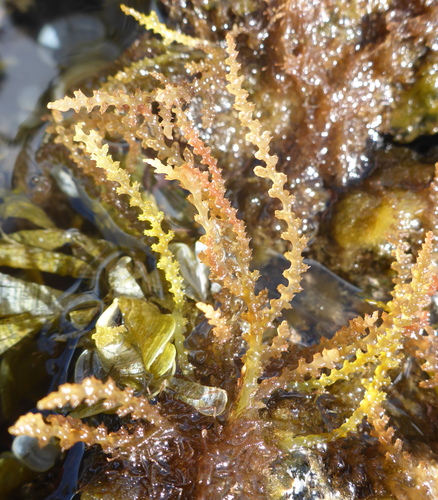
9 species
Large red algae family with complex branching patterns, includes species used in food production.

Rhodophyllaceae
3 species
Red algae family with diverse morphologies, found in marine rocky shore and deeper water habitats.

Rhodymeniaceae
2 species
Red algae family with branched thalli; some species used in food and agar production.

Roccellaceae
1 species
Lichen family producing usnic acid; historically important for dye production.

Rosaceae
1251 species
Flowering plants including apples, pears, strawberries, almonds, and roses.

Rubiaceae
582 species
Tropical family containing coffee, quinine, and madder plants.

Ruppiaceae
1 species
Aquatic flowering plants found in brackish and saline waters.

Russulaceae
161 species
Fungal family with edible and toxic mushrooms including russula and brittlegill species.

Rutaceae
286 species
Citrus family producing oranges, lemons, limes, and aromatic oils.

Sabiaceae
11 species
Small tropical tree family with limited economic importance.

Saccharomycetaceae
3 species
Yeast family including baker's and brewer's yeast used in fermentation.

Salicaceae
176 species
Trees and shrubs including willows and poplars.

Salvadoraceae
7 species
Tropical shrub family with salt-tolerant species in arid regions.
Salviniaceae
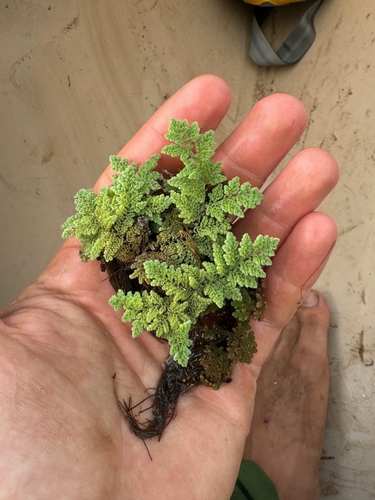
2 species
Aquatic fern family with free-floating fronds used as animal feed.
Santalaceae
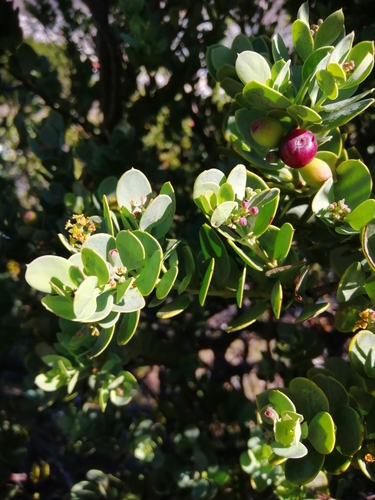
67 species
Sandalwood family; trees producing fragrant wood and parasitic species.

Sapindaceae
242 species
Tropical family including lychee, longan, and soapberry plants.

Sapotaceae
328 species
Tropical family with edible fruits like sapodilla and shea butter.

Sarcobataceae
1 species
Desert saltbush family with halophytic shrubs.

Sarcolaenaceae
5 species
Tropical Madagascar family with limited distribution and uses.

Sarcoscyphaceae
4 species
Cup fungi family with small colorful fruiting bodies in moist environments.

Sarcosomataceae
1 species
Brown cup fungi family found on wood and soil.

Sargassaceae
26 species
Brown algae family including floating sargassum seaweed in oceans.

Saururaceae
3 species
Small family of aromatic herbs including lizard's tail; mostly tropical with few economically important species.
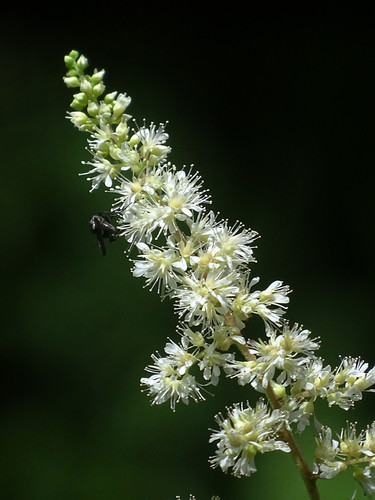
Saxifragaceae
42 species
Diverse family of herbaceous plants and shrubs including saxifrages; some ornamental species, few edible members.

Scenedesmaceae
1 species
Family of microscopic green algae; single-celled organisms important in biotechnology and aquaculture but not culinary plants.

Schegeliaceae
1 species
Small tropical family of trees and shrubs; limited economic importance and minimal edible or ornamental use.

Schisandraceae
25 species
Woody vines with aromatic fruits; includes magnolia vine used in traditional Asian medicine and cuisine.

Schizaeaceae
1 species
Ancient family of ferns with filmy fronds; primitive lineage with no significant economic or culinary value.
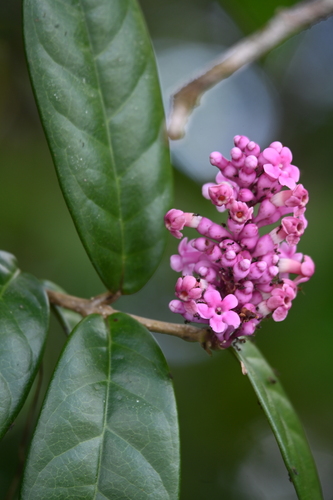
Schlegeliaceae
3 species
Small tropical family of epiphytic plants; minimal economic importance and rarely cultivated outside native ranges.

Schoepfiaceae
3 species
Small family of tropical shrubs and trees; no major culinary, medicinal, or ornamental significance reported.
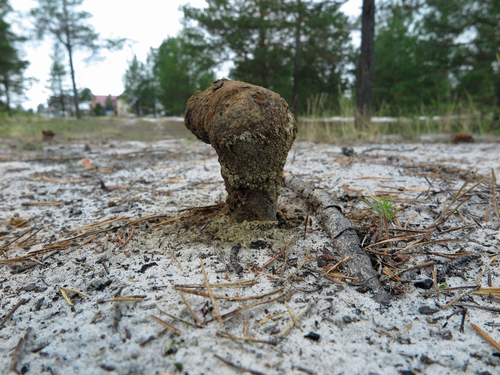
Sclerodermataceae
15 species
Family of puffball-like fungi; some species edible but often gelatinous and of limited culinary appeal.

Scrophulariaceae
71 species
Large family including snapdragons and figworts; primarily ornamental with few significant edible members.

Scytosiphonaceae
4 species
Family of brown algae; marine seaweeds with minimal culinary use despite ocean habitat.
🌿
Sebdeniaceae
1 species
Family of red algae; seaweeds primarily of scientific interest with limited human food applications.

Selaginellaceae
12 species
Ancient family of small club mosses; primitive plants resembling ferns but evolutionarily distinct, non-edible.
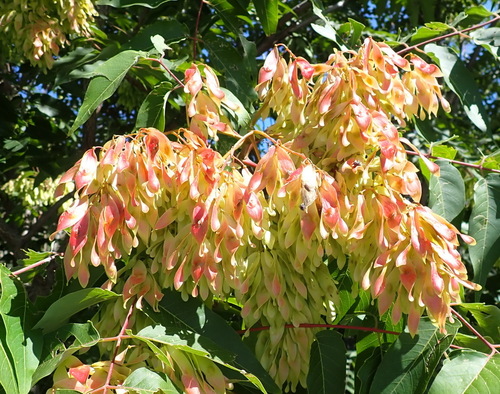
Simaroubaceae
25 species
Tropical family including ailanthus and picrasma; bitter compounds used medicinally but few culinary applications.

Simmondsiaceae
1 species
Monogeneric family containing jojoba; produces valuable wax-like oil used cosmetically and industrially, not food.

Siparunaceae
2 species
Tropical South American family of aromatic trees; limited commercial use aside from traditional medicine applications.

Smilacaceae
57 species
Family including sarsaparilla and greenbriers; some species produce edible tubers and berries in traditional cuisines.

Solanaceae
408 species
Major family including tomatoes, potatoes, peppers, eggplants; essential global food crops also containing tobacco.

Solieriaceae
5 species
Family of red algae; edible seaweeds harvested in Asia for culinary and industrial carrageenan extraction.

Sparassidiaceae
4 species
Family of shelf fungi including oyster mushrooms; widely cultivated edible fungi prized in global cuisine.

Sphaerococcaceae
2 species
Red algae family found in marine environments, some species used in food production and agar extraction.

Sphagnaceae
2 species
Moss family of peat mosses found in wetlands, important for soil formation and carbon storage.

Sphenocleaceae
1 species
Small tropical plant family with herbaceous members, minor agricultural significance in some regions.
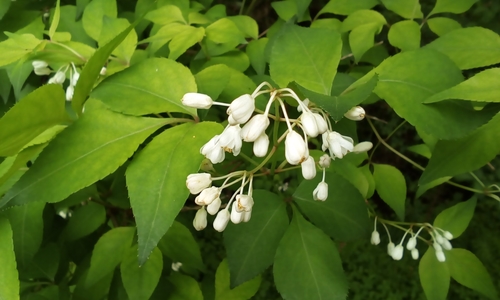
Staphyleaceae
11 species
Bladdernut family of woody plants with compound leaves, primarily ornamental with inedible fruits.
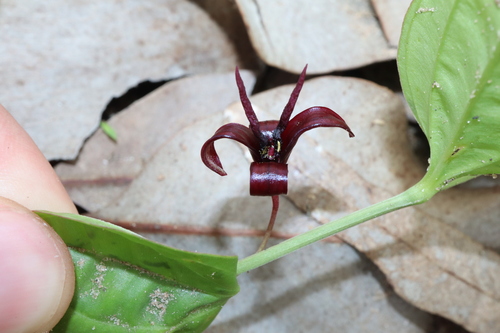
Stemonaceae
2 species
Asian plant family with tuberous roots, some species traditionally used in herbal medicine.

Stemonuraceae
3 species
Tropical tree family from Southeast Asia, poorly studied with limited economic importance.

Stereaceae
1 species
Wood-decay fungal family, important decomposers in forest ecosystems.
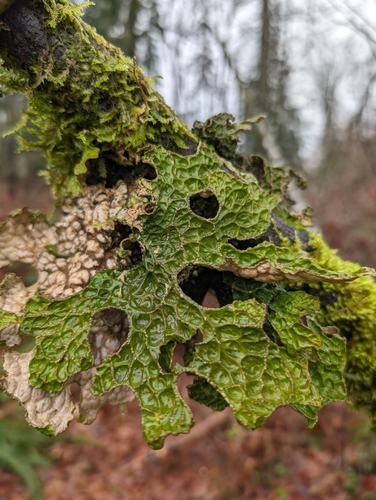
Stictaceae
4 species
Lichen family with photosynthetic algal partners, found on tree bark and rocks worldwide.

Stilbaceae
4 species
Plant family including candlewood trees, mainly ornamental with some medicinal uses in Africa.

Strelitziaceae
7 species
Tropical plant family including bird-of-paradise flowers, grown ornamentally for stunning colorful blooms.

Strobilomycetaceae
6 species
Fungal family of wood-decomposing mushrooms, some species edible though not widely cultivated.

Strophariaceae
19 species
Fungal family including edible species like king trumpet mushrooms, cultivated commercially worldwide.

Styracaceae
16 species
Tree family producing fragrant resins, includes storax and benzoin used in perfumes and medicine.

Suillaceae
26 species
Fungal family of ectomycorrhizal mushrooms, some edible species foraged in coniferous forests.

Surianaceae
1 species
Tropical tree family with limited distribution, minimal economic or culinary importance.

Symplocaceae
13 species
Tropical and subtropical trees, some species provide dyes and traditional medicines in Asia.

Talinaceae
9 species
Succulent plant family with small herbaceous members, minor ornamental and culinary value.

Tamaricaceae
9 species
Salt-tolerant shrub family including tamarisk, useful for revegetation in arid and saline areas.

Taxaceae
21 species
Conifer family including yew trees, toxic except for edible arils, important in traditional medicine.

Tecophilaeaceae
8 species
Small bulbous plant family from South America, grown ornamentally for blue flowers.
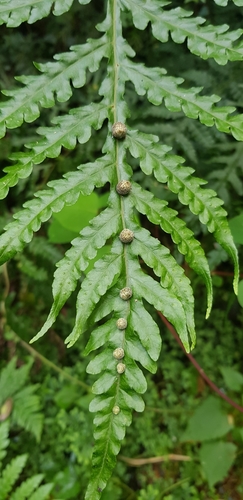
Tectariaceae
11 species
Tropical ferns with simple or compound fronds, including some ornamental species.

Teloschistaceae
1 species
Lichens with colorful fruticose or foliose forms, often found on rocks and trees.

Terfeziaceae
10 species
Desert truffles producing edible, prized underground fruiting bodies in arid regions.

Tetramelaceae
1 species
Tropical trees with large leaves and distinctive four-chambered capsule fruits.
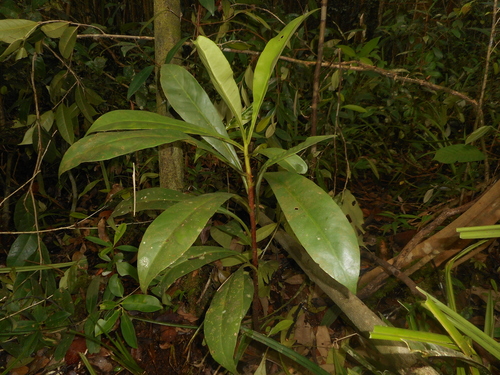
Tetrameristaceae
1 species
Small family of tropical rainforest trees with unusual flower structures.

Theaceae
28 species
Woody plants including tea (*Camellia sinensis*) and ornamental camellias with showy flowers.

Thelephoraceae
9 species
Wood-decaying fungi forming bracket or funnel-shaped fruiting bodies on logs.
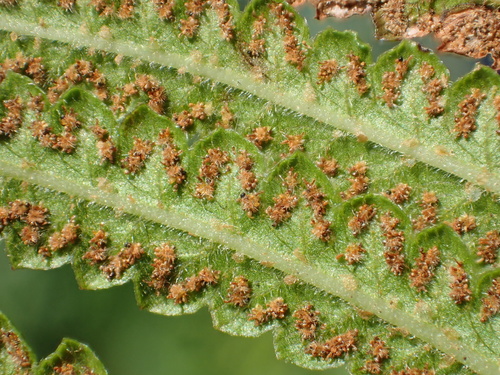
Thelypteridaceae
21 species
Marsh ferns with soft, delicate fronds, mostly temperate and tropical species.

Thymelaeaceae
32 species
Shrubs and trees with tough bark; includes daphnes and flax plants.

Tiliaceae
3 species

Tremellaceae
12 species
Jelly fungi forming gelatinous fruiting bodies, edible species include wood ear mushrooms.

Tribonemataceae
1 species
Green algae forming filaments in freshwater environments, important in aquatic ecosystems.
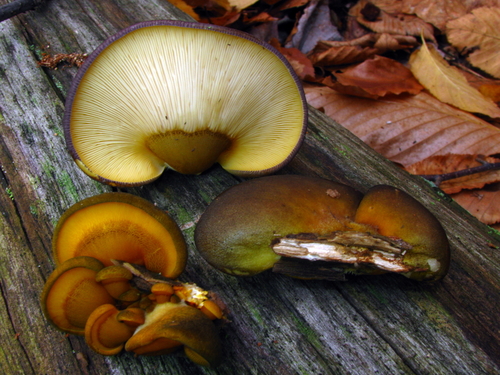
Tricholomataceae
108 species
Mushrooms with gills including edible species like matsutake and honey mushrooms.
🌿
Trigoniaceae
1 species
Tropical lianas and shrubs with distinctive three-winged fruits and colorful flowers.

Trilliaceae
2 species

Tropaeolaceae
13 species
Herbaceous plants with peppery edible leaves and flowers; includes garden nasturtium.

Tuberaceae
3 species
Truffles producing highly prized, fragrant underground fruiting bodies valued in cuisine.

Turneraceae
1 species

Typhaceae
18 species
Wetland plants including cattails with cylindrical brown seed heads and edible rhizomes.

Ulmaceae
27 species
Trees including elms and hackberries; adaptable hardwoods with small flowers.
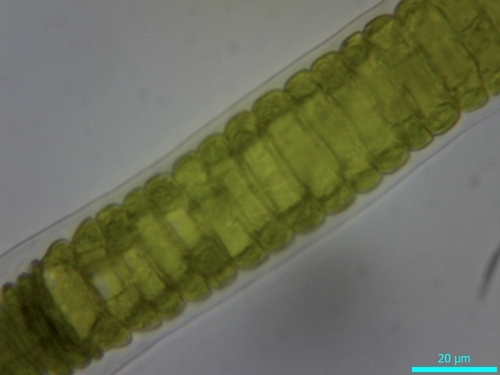
Ulotrichaceae
1 species
Green algae forming unbranched filaments in freshwater and marine environments.

Ulvaceae
19 species
Green algae including sea lettuce, edible seaweed found in coastal waters.

Umbilicariaceae
6 species
Rock lichens with distinctive disc-like thalli, some species traditionally eaten.

Urticaceae
205 species
Family of herbaceous plants and shrubs including nettles; some species edible when cooked to remove stinging hairs.
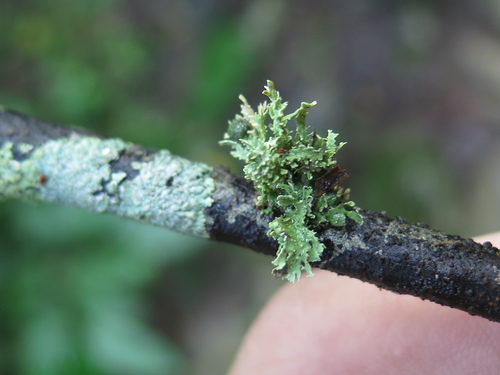
Usneaceae
8 species
Lichen family producing fruticose forms; not typically consumed but used medicinally in traditional practices.
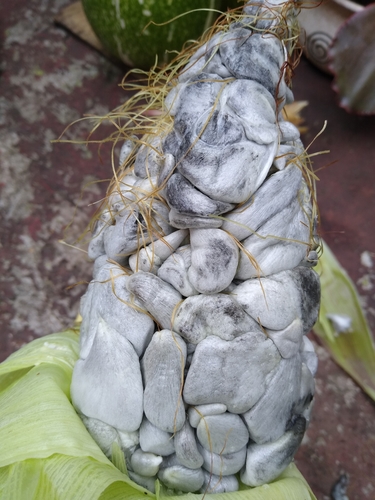
Ustilaginaceae
6 species
Fungal family causing smut diseases on grains; some species historically harvested as food delicacy.

Valoniaceae
3 species
Marine green algae family; limited culinary use but studied for nutritional potential.
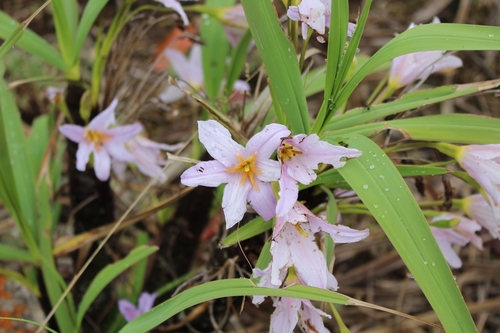
Velloziaceae
1 species
Drought-resistant plants from Africa and South America; rarely cultivated or consumed.

Verbenaceae
74 species
Herbaceous family including lemon verbena and vervain; valued for herbal teas and flavoring.

Violaceae
76 species
Includes violets and pansies; flowers edible with mild flavor, used for garnish and candying.

Viscaceae
1 species

Vitaceae
243 species
Grapevines and relatives; grapes are major fruit crop, leaves used in Mediterranean cuisines.

Vivianiaceae
1 species
Small South American plant family; no significant culinary or economic importance.

Vochysiaceae
12 species
Tropical trees from South America; limited use, some species produce useful timber.

Welwitschiaceae
1 species
Monotypic family of desert plant; rarely used, primarily botanical curiosity with no edible value.

Winteraceae
9 species
Ancient flowering plant family; some species used medicinally, no major culinary applications.

Woodsiaceae
1 species
Fern family producing small woodland ferns; some species edible when young as fiddleheads.

Xanthorrhoeaceae
116 species
Includes grass trees and aloe relatives; some species used medicinally or ornamentally.

Xerocomaceae
1 species
Fungal family of edible boletus mushrooms; includes prized species like porcini and cepe.

Xerulaceae
1 species
Fungal family containing small forest mushrooms; some edible species but generally not commercially important.

Xyridaceae
1 species
Tropical plants with grass-like foliage; no significant culinary or economic applications.

Zamiaceae
25 species
Cycads producing starch-bearing seeds; some traditionally processed for food but potentially toxic without preparation.

Zingiberaceae
221 species
Ginger and turmeric family; economically important spices and flavoring agents worldwide.

Zosteraceae
4 species
Seagrass family found in coastal marine habitats; minimal culinary use but ecologically important.

Zygnemataceae
1 species
Freshwater green algae family, including conjugating algae; mostly microscopic aquatic organisms without commercial food use.

Zygophyllaceae
30 species
Tropical and arid plant family containing guaiacum, creosote bush, and caltrop; few edible members of note.