Survival Foraging Guide
How to Use This Database
- Start with your country — Go to the homepage and select your country to see all edible plants in your area.
- Filter by edible part — Use the filter buttons to find fruits, roots, leaves, seeds, etc.
- Cross-reference carefully — Use photos, descriptions, and family information to confirm identity. Always check warnings.
- Search by name — Use Kiwix's built-in search bar to find specific plants by scientific or common name.
- Browse families — The Plant Families page helps you learn family-level identification patterns.
The 15 Rules That Prevent Death
- Never eat any plant you cannot identify with 100% certainty. When in doubt, go hungry.
- Never eat wild mushrooms unless you are an expert. Mushroom misidentification causes the majority of fatal plant poisonings worldwide. The death cap alone is responsible for 90% of mushroom fatalities. No universal edibility test works for mushrooms.
- Never assume a plant is safe because an animal eats it. Deer eat death camas. Birds eat nightshade berries. Squirrels eat Amanita mushrooms. Animals have different digestive systems and toxin tolerances.
- Avoid plants with milky or discolored sap unless you have positively identified them as safe (exceptions: dandelion, lettuce, figs).
- Avoid white, yellow, and green berries — roughly 90% are poisonous. About 50% of red berries are dangerous. Blue and black berries are safest but still require identification.
- Avoid all plants with umbrella-shaped white flower clusters (umbels) unless you are certain of identification. The carrot family contains some of the most lethal plants on earth.
- Avoid plants with a bitter almond or peach-pit smell — this indicates cyanide compounds.
- Avoid beans, seeds in pods, and bulbs from unknown species — many contain deadly alkaloids or lectins.
- Always cook plants when possible. Cooking destroys many (not all) toxins, kills parasites, and makes nutrients more bioavailable.
- Never eat plants from contaminated areas: within 50 meters of busy roads, near industrial sites, areas treated with pesticides/herbicides, downstream from agricultural runoff.
- Never eat raw aquatic plants — risk of liver flukes and other parasites. Always boil watercress and similar water plants.
- Start with small amounts of any new food, even positively identified plants. Individual allergic reactions can occur.
- Learn the deadliest plants in your region first. Knowing what will kill you is more important than knowing what you can eat.
- Never forage when starving and desperate if you can avoid it. Desperation leads to misidentification. Eat known-safe plants first.
- Teach children to never put any wild plant in their mouths — what is a mild irritant for an adult can be lethal for a child due to body-weight dosing.
Universal Warning Signs
- Milky or discolored sap (white, yellow) — treat as dangerous by default
- Bitter almond or peach-pit smell — indicates cyanogenic glycosides (cyanide)
- Umbrella-shaped flower clusters (umbels) with white flowers — the Apiaceae/carrot family contains both edible and lethal species
- Three-leaved growth pattern — "Leaves of three, let it be" (poison ivy, poison oak)
- Green, yellow, or white berries — approximately 90% are poisonous
- Seeds inside pods from unknown legume species
- Grain heads with pink, purple, or black spurs — ergot fungus
- Plants with fine hairs or spines on unfamiliar species
- Extremely bitter taste — usually indicates alkaloids or glycosides
Safe Family Patterns (Generally Reliable)
While individual species must always be verified, some plant families have an excellent safety record:
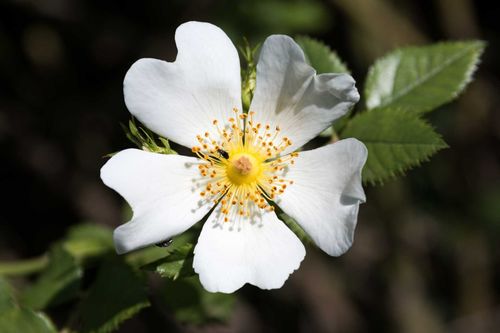
- Rose family (Rosaceae) — Nearly all fruits are edible: apples, pears, cherries, plums, strawberries, raspberries, blackberries, rose hips. Exception: seeds/pits contain trace cyanide (don't chew them).
- Grass family (Poaceae) — All grass seeds are edible (wheat, rice, oats, corn). No known poisonous grasses. Grass itself is indigestible for humans but seeds are safe.
- Mint family (Lamiaceae) — Square stems + opposite leaves. Vast majority are safe: mint, thyme, sage, basil, lavender, oregano, lemon balm. No deadly species.
- Mustard family (Brassicaceae) — 4-petaled cross-shaped flowers. All are edible (many are peppery): mustard, watercress, shepherd's purse, garlic mustard, radish.


The Universal Edibility Test
Source: U.S. Army Field Manual FM 21-76. Total time: ~24 hours. Do not shortcut any step.
Prerequisites: Fast for 8 hours before beginning. Drink only purified water during the entire test. Test only ONE plant part at a time (leaves, stems, roots, buds, flowers, fruit are all separate). Prepare the plant part the same way you intend to eat it (raw, boiled, roasted).
- Separate — Divide the plant into its component parts: leaves, stems, roots, buds, flowers, fruit. Each part may have different toxicity.
- Smell test — Crush a small portion and smell it. Reject anything with a strong, acidic, or foul odor. A smell of bitter almonds or pears indicates possible cyanide — discard immediately.
- Skin contact test (wait 8 hours) — Crush the plant part and rub its juice on the inside of your wrist or elbow. Hold against skin for 15 minutes. Then wait 8 hours. If any rash, redness, swelling, burning, or itching develops, discard that plant part.
- Lip test (wait 3 minutes) — Touch a small piece to the corner of your lip. Hold for 3 minutes. If burning, itching, or swelling occurs, stop.
- Tongue test (wait 15 minutes) — Place the plant part on your tongue without chewing or swallowing. Hold for 15 minutes. If any burning, numbness, or stinging occurs, spit it out and rinse.
- Chew test (wait 15 minutes) — Chew a small piece and hold it in your mouth for 15 minutes. Do NOT swallow. If there is any adverse reaction, spit it out.
- Swallow test (wait 8 hours) — Swallow a very small amount. Wait 8 hours. Eat nothing else. If nausea, vomiting, cramps, or diarrhea occurs, induce vomiting and drink plenty of water.
- Larger portion test (wait 8 hours) — If no ill effects, eat approximately a palm-full of the same plant part. Wait 8 hours. If no adverse effects, that specific part, prepared that specific way, is likely safe.
The Most Dangerous Look-Alikes
| Deadly Plant | Looks Like | Lethal Dose | Toxin | |
|---|---|---|---|---|
 | Water hemlock (Cicuta) | Wild parsnip, wild celery | Walnut-sized piece of root | Cicutoxin |
 | Poison hemlock (Conium maculatum) | Wild carrot (Queen Anne's lace) | Small amount of any part | Coniine |
 | Death cap (Amanita phalloides) | Straw mushroom, paddy straw | Half a mushroom cap | Amatoxins |
 | Destroying angel (Amanita virosa) | Button mushrooms, puffballs | A single mushroom | Amatoxins |
 | Deadly nightshade (Atropa belladonna) | Blueberries, blackberries | 2-5 berries (adult) | Atropine |
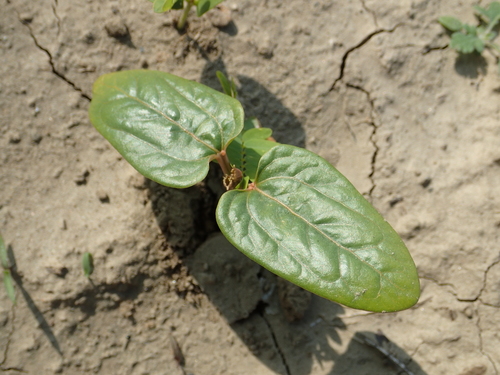 | Castor bean (Ricinus communis) | Decorative seeds | 1-2 chewed seeds | Ricin |
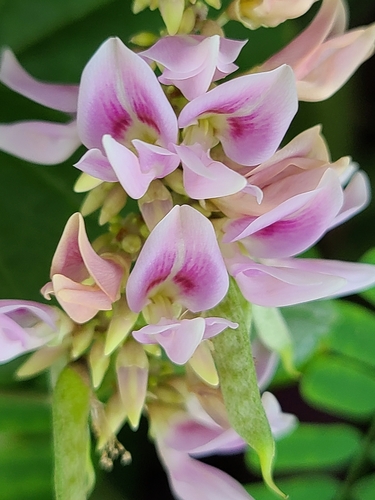 | Rosary pea (Abrus precatorius) | Decorative seeds | 1 chewed seed | Abrin |
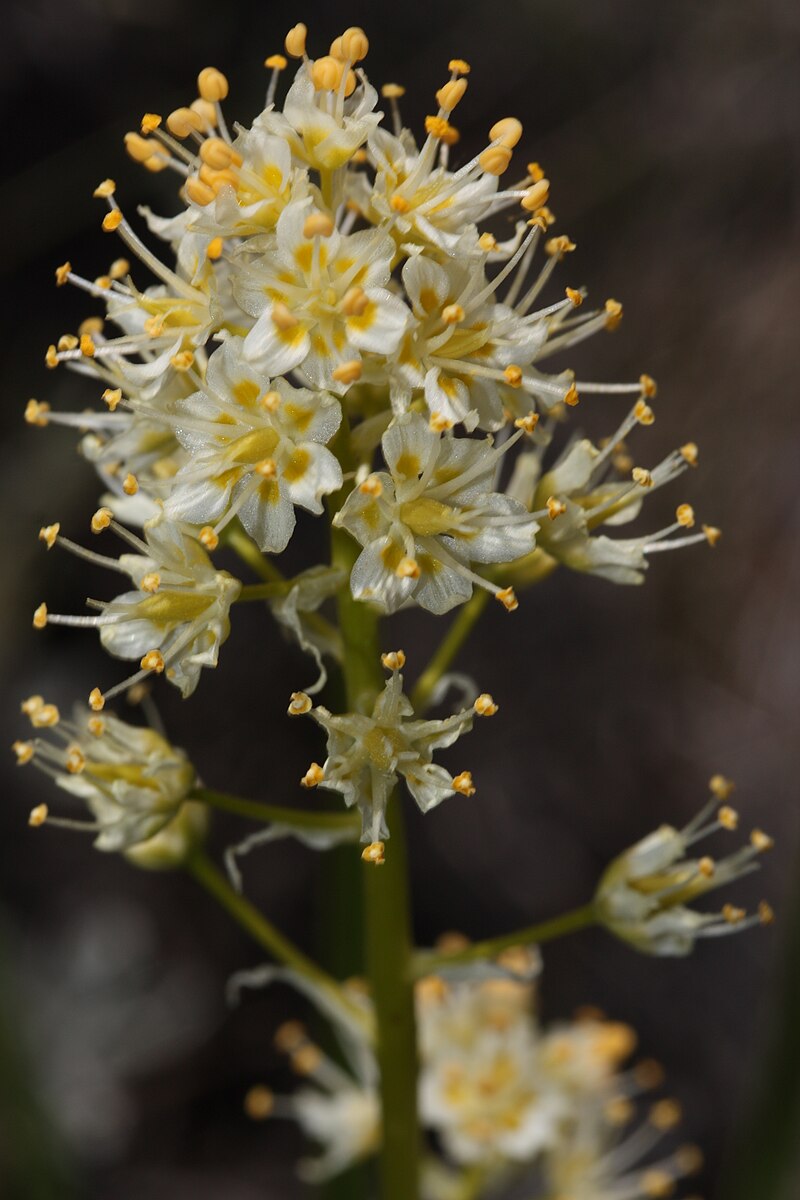 | Death camas (Zigadenus) | Wild onion, wild garlic | 3-4 bulbs | Zygacine |
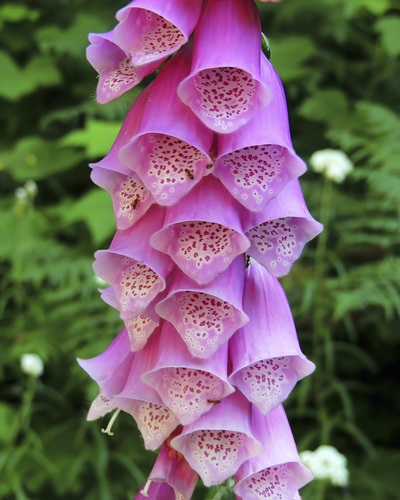 | Foxglove (Digitalis) | Comfrey leaves | Small quantity of any part | Cardiac glycosides |
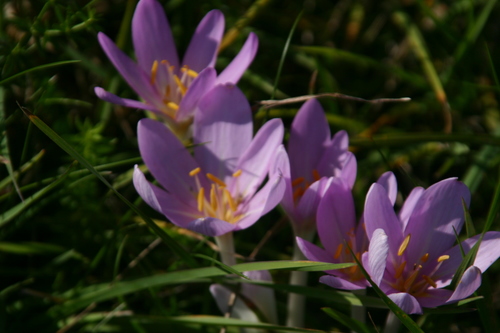 | Autumn crocus (Colchicum autumnale) | Wild garlic (ramsons) | 3-4 leaves | Colchicine |
Visual Identification
Click any image to enlarge. Memorize these plants. They are responsible for the vast majority of fatal plant poisonings worldwide.
How to Tell Them Apart
Poison hemlock vs. Wild carrot (Queen Anne's lace):
- Poison hemlock: smooth hairless stem with purple/red blotches, hollow stem, taller (2-3m), musty smell
- Wild carrot: hairy stem, single dark purple flower in center of umbel, "bird's nest" shape when drying, carrot smell when root crushed
Water hemlock vs. edible plants:
- Water hemlock: grows in wet areas (ditches, streambanks), cluster of fleshy tubers at crown, purple-streaked stem, chambered root (cut lengthwise to see)
- Wild carrot/parsnip: dry ground habitat, single taproot, no purple streaking
Wild garlic vs. Lily of the valley / Autumn crocus:
- Wild garlic: strong garlic smell when leaves crushed, ONE leaf per stem
- Lily of the valley: NO garlic smell, TWO leaves per stem, thicker leaves
- Autumn crocus: NO garlic smell, multiple upright leaves, meadow habitat (not forest)
Plant Preparation & Detoxification
Toxins DESTROYED by Heat
| Toxin | Found In | Treatment |
|---|---|---|
| Lectins | Raw kidney beans, legumes | Boil at full boil for 30+ min. Slow cookers can INCREASE toxicity. |
| Cyanogenic glycosides | Cassava, elderberries, bamboo shoots | Crush + soak 24h + boil 20 min in fresh water. Discard water. |
| Calcium oxalate crystals | Taro, elephant ear | Boil thoroughly, discard water. Never eat raw. |
| Thiaminase | Bracken fern | Boil thoroughly to destroy B1-degrading enzyme. |
Toxins NOT Destroyed by Cooking
| Toxin | Found In | Why Cooking Fails |
|---|---|---|
| Solanine | Green potatoes, nightshades | Heat-stable up to 285°C. Boiling reduces only ~1%. |
| Amatoxins | Death cap, destroying angel | Completely heat-stable. No cooking method makes them safe. |
| Ricin / Abrin | Castor bean, rosary pea | Heat-stable at cooking temperatures. |
| Colchicine | Autumn crocus | Heat-stable. No home processing removes it. |
| Cicutoxin | Water hemlock | Not reliably destroyed by cooking. |
| Oxalic acid | Rhubarb leaves, large amounts of wood sorrel | Not destroyed. Inhibits calcium absorption. |
Plants Requiring Processing


Key Processing Techniques
Acorn processing (cold water leach):
- Shell acorns, grind or blend into coarse meal
- Place meal in container, cover with cold water
- When water turns dark brown, pour off through cloth and replace with fresh cold water
- Repeat until water stays clear and meal tastes bland (not bitter) — 3 days to 2 weeks depending on species
- White oaks leach faster than red oaks. Dry the meal for flour.
Cassava processing:
- Peel roots (skin concentrates toxins)
- Cut into small pieces or grate
- Soak in clean water for at least 24 hours, changing water periodically
- Boil in fresh water for 20+ minutes; discard water
- Sun-dry if making flour. Alternatively: ferment for 5-6 days (very effective).
Elderberry: Raw berries contain cyanogenic glycosides. Cook thoroughly (boil into syrup, jam, or tea). Never eat raw elderberries, leaves, bark, or stems. Flowers are safe raw.
Bamboo shoots: Peel outer layers, slice thinly, boil 20 min to 2 hours depending on species. Discard water.
Nutritional Priorities in Survival
Immediate Priorities (First 72 Hours)
- Water — Absolute priority. Death from dehydration in 3 days. Find water before food.
- Calories — Your body burns 2,000-4,000 cal/day in survival conditions (cold, exertion). Without enough calories: weakness, poor decisions, hypothermia vulnerability.
- Electrolytes — Salt, potassium, magnesium. Critical for muscle and heart function.
Deficiency Diseases & Prevention
Scurvy (Vitamin C deficiency) — onset: 1-3 months
- Symptoms: bleeding gums, tooth loss, old wounds reopening, fatigue, joint pain, death
- Prevention: Only 10 mg/day needed (one small serving of greens)
- Wild sources: Pine needle tea, rose hips, wood sorrel, clover, dandelion greens, spruce tips, watercress (cooked), violet leaves, plantain leaves
- Pine needle tea: Do NOT boil (destroys vitamin C). Steep chopped fresh needles in hot water 10-20 min. Winter needles have 4-7x more vitamin C.


Pellagra (Vitamin B3 deficiency) — onset: 2-6 months
- Symptoms: the "4 Ds" — dermatitis, diarrhea, dementia, death
- Wild sources: peanuts, sunflower seeds, mushrooms, green peas, acorns, pine nuts, legumes
- Note: Corn-based diets cause pellagra unless corn is nixtamalized (treated with alkali/lime water)
Beriberi (Vitamin B1 deficiency) — onset: 1-3 months
- Symptoms: weakness, nerve damage, heart failure
- Wild sources: sunflower seeds, nuts (pine nuts, pecans), legumes, whole grains, acorns
- Always eat whole/brown grains. White rice diets cause beriberi.
Calorie-Dense Wild Plants
| Plant | Calories | Notes | |
|---|---|---|---|
 | Pecans | ~690 cal/cup | Highest-calorie common wild nut |
 | Walnuts | ~650 cal/cup | High fat, good protein |
| Acorns | ~500 cal/cup | Requires tannin leaching; most abundant nut in temperate forests |
 | Hickory nuts | ~190 cal/oz | Hard to crack but very nutritious |
| Pine nuts | ~190 cal/oz | Rich in B vitamins and fat |
 | Chestnuts | ~70 cal/oz | Lower fat but easy to harvest in quantity |
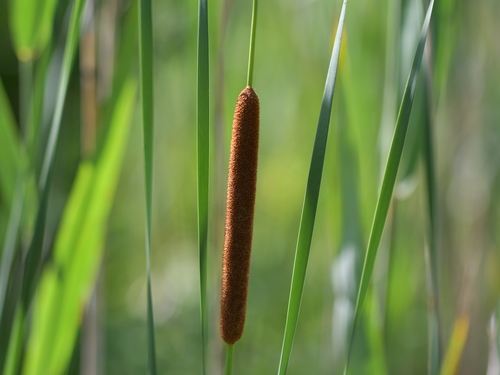 | Cattail rhizomes | ~150 cal/cup | Available year-round including winter |
 | Jerusalem artichoke | ~110 cal/cup | Tuber; easy to dig in fall |
Critical insight: If nuts are available, long-term plant-based survival is feasible. Without nuts, getting enough calories from plants alone is extremely difficult. Prioritize nut-bearing trees above all other foraging.
Essential Minerals from Plants
| Mineral | Why You Need It | Best Wild Sources |
|---|---|---|
| Iron | Prevents anemia, carries oxygen | Stinging nettle, amaranth leaves, dock, chickweed, dandelion |
| Calcium | Bone/teeth health, muscle function | Stinging nettle, lamb's quarters, amaranth, clover, dock |
| Potassium | Heart rhythm, muscle cramps | Purslane, dandelion greens, cattail, plantain, amaranth |
| Zinc | Immune function, wound healing | Pumpkin/squash seeds, pine nuts, sunflower seeds |
| Salt (sodium) | Electrolyte balance, nerve function | Seawater (evaporate), glasswort, coltsfoot ash, hickory ash |
Protein from Plants
Getting adequate protein from plants alone is possible but requires combining sources:
- Legumes + grains = complete protein (beans + corn, lentils + rice)
- Highest protein wild plants: Stinging nettle leaves (25% dry weight), amaranth seeds (14-16%), lamb's quarters seeds (16%), pine nuts (14%), acorns (6%)
- Moringa leaves (tropical): 27% protein by dry weight — one of the most nutritious plants on Earth


Water & Plants
Plants That Indicate Water Nearby
- Willows — Always grow near water; dig near their base
- Cottonwoods/Poplars — Water within 3-10m of surface
- Cattails — Water at or very near the surface; dig at the base
- Rushes and sedges — Grow in saturated soil
- Alders, Sycamores — Riparian species, always near water

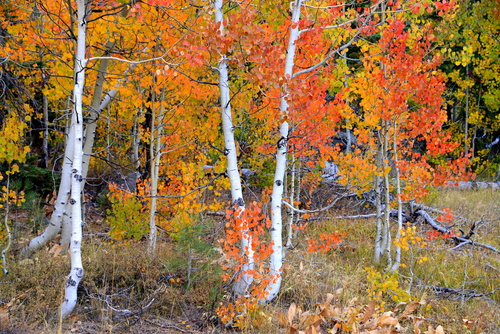


General principle: In arid terrain, follow dense/green vegetation into valleys. Lush, green vegetation that contrasts with surrounding dry landscape marks likely water sources.
Plants That Store Water
- Fishhook barrel cactus — One of few cacti safe to extract moisture from. Cut open and mash pulp.
- Most other cacti — WARNING: many contain acids/alkaloids that cause vomiting, making dehydration WORSE.
- Bamboo — Green stems store water between nodes. Bend old yellow bamboo to shake water out.
- Coconut palm — Green coconuts contain 200-1,000 ml of electrolyte-rich water.
- Traveler's palm (tropics) — Stores rainwater at base of leaf stalks; can hold over 1 liter per leaf base.


Water Purification with Plants
Moringa oleifera seeds (tropical/subtropical): Crush 1 seed per liter of turbid water. Stir vigorously 5 min. Let settle 1-2 hours. Pour clear water through cloth. Removes 90-99% of bacteria and 98% of turbidity. Still boil if possible — does not remove all pathogens.
Dew & Rain Collection
- Dew collection: Tie absorbent cloth (or bundles of grass) around your ankles and walk through vegetation at dawn. Wring into container. Can collect 0.5-1L per hour in good conditions.
- Transpiration bag: Tie a clear plastic bag over a leafy branch (still attached to tree). Seal tightly. Sun heats leaves, moisture condenses inside bag. Yields 0.25-0.5L per bag per day. Use multiple bags.
- Banana/plantain stems: Cut trunk, hollow out center. Water collects in the bowl. Yields 1-2L over several hours.
Signs of Water in the Landscape
- Follow animal tracks downhill — they often converge at water sources
- Insects (especially bees) fly in straight lines to/from water. Bees are rarely more than 5 km from water.
- Converging bird flight paths at dawn/dusk often point to water
- Green vegetation in an otherwise dry landscape = subsurface water. Dig there.
- Rock formations often channel rainwater into pools in crevices and depressions
Plants for Tools & Shelter
Beyond food, plants provide the raw materials for survival infrastructure.
Cordage (Rope & String)
- Stinging nettle fibers — Pound dried stems, strip inner bark. Among the strongest natural fibers. Used for fishing line, snares, lashing.
- Cattail leaves — Twist dried leaves for quick cordage. Not as strong but very available.
- Inner bark (basswood/linden, elm, willow) — Strip long sections, soak, twist into rope. Basswood is especially strong.
- Yucca leaves — Pound and scrape to expose long fibers. Very strong. Traditional in arid regions.
- Roots — Spruce roots, willow roots split lengthwise make excellent lashing material.


Fire-Starting Materials
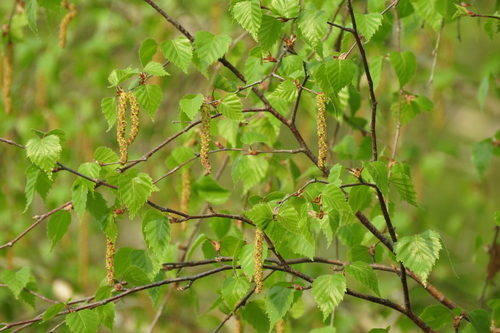
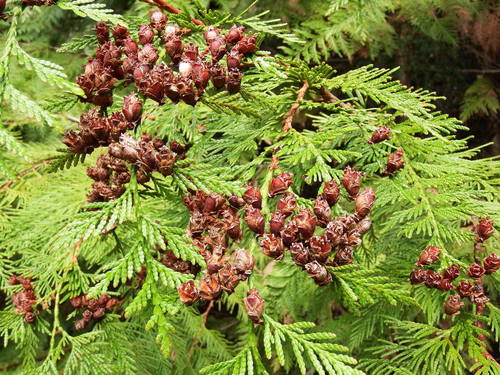
- Tinder: Dried cattail fluff, birch bark (contains flammable oils — burns even when wet), dried grass, cedar bark shreddings, pine resin-soaked wood
- Kindling: Dead twigs from standing trees (not ground — moisture), pine needles, dried leaves
- Bow drill components: Fireboard from soft wood (cottonwood, willow, basswood), spindle from slightly harder wood, bearing block from hardest available
Building Materials
- Bamboo — The most versatile building material in nature. Shelters, tools, containers, weapons, water pipes, cooking vessels.
- Pine/spruce boughs — Insulating ground cover and roofing material. Layer thickly (30+ cm) for waterproofing.
- Birch bark — Waterproof sheets for roofing, containers. Peel in spring when sap is flowing.
- Cattail — Leaves for weaving mats. Fluff for insulation in clothing and bedding.
Seasonal Foraging
Spring
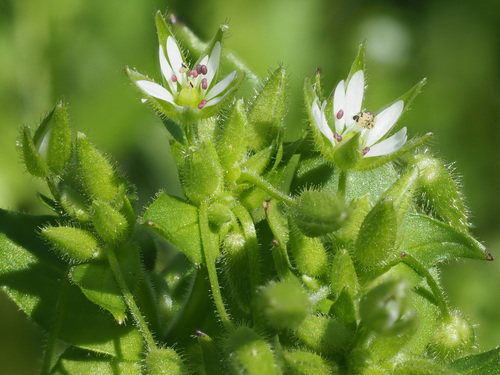
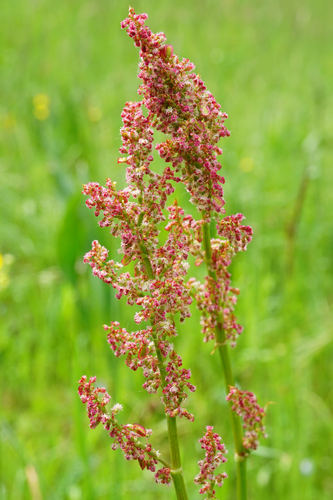
- Greens: Dandelion, chickweed, nettles (cook to neutralize sting), wild garlic/ramps, clover, sorrel, dock, lamb's quarters
- Shoots: Fiddlehead ferns (boil 15+ min), bamboo (boil 20 min+), cattail shoots, asparagus
- Bark: Inner bark (cambium) of pine, birch, elm, poplar — strip and eat raw or dry into flour
- Priority: Load up on fresh greens to rebuild vitamin stores after winter



Summer
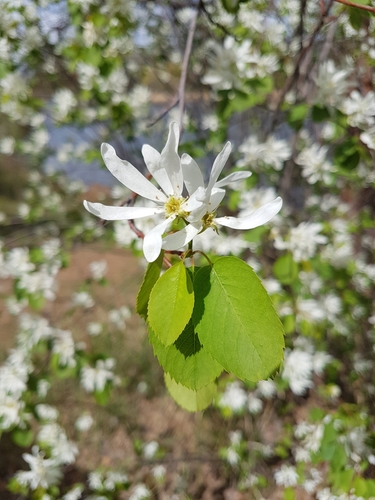
- Berries: Blackberries, raspberries, blueberries, mulberries, serviceberries, strawberries
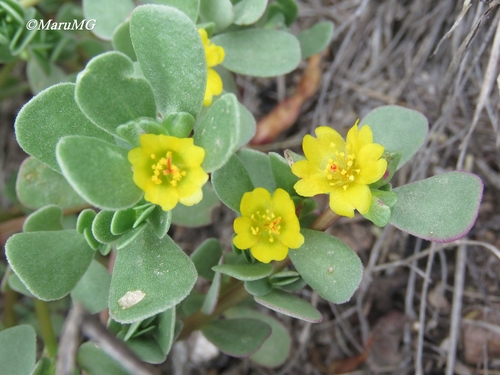
- Greens: Continue spring greens; add purslane, amaranth, plantain
- Seeds: Begin collecting grass seeds, dock seeds, lamb's quarters seeds
- Priority: Eat abundantly and begin preserving (drying berries, seeds) for winter


Fall — THE MOST CRITICAL SEASON
- Nuts: Acorns (most abundant), walnuts, hickory, pecans, chestnuts, pine nuts, hazelnuts — gather and store as many as possible
- Roots/tubers: Burdock, dandelion root, Jerusalem artichoke, cattail rhizomes, groundnut (Apios americana)
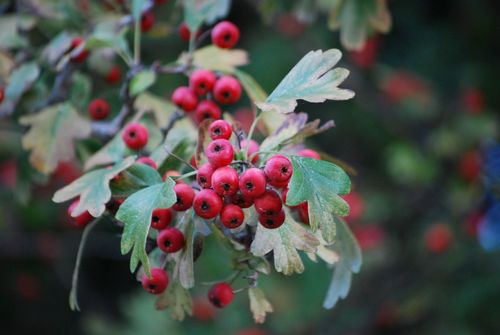
- Fruit: Rose hips (high vitamin C, persist into winter), hawthorn berries, persimmons (after frost)
- Priority: Stockpile calories. Dry everything possible. This determines whether you survive winter.



Winter
- Bark/cambium: Inner bark of pine, birch, elm, basswood, poplar — the soft inner layer
- Roots: Cattail rhizomes (dig from frozen mud), burdock root, dandelion root
- Evergreens: Pine needle tea (vitamin C), spruce tips
- Persistent berries: Rose hips, wintergreen berries, cranberries
- Lichen: Rock tripe (boil thoroughly), reindeer moss (boil to soften)
- Priority: Conserve calories. Minimize foraging effort. Rely on stored food. Pine needle tea for vitamin C.


Preservation Without Technology
Sun/Air Drying
- Slice food thinly (3-6mm). Lay on clean rocks, bark, or improvised racks. Turn regularly.
- Protect from rain and dew (cover at night). Duration: 2-5 days in good conditions.
- Done when brittle/leathery with no moisture when squeezed. Will last months to years if kept dry.
- Best for: berries, thin-sliced roots, leaves, mushrooms, meat strips.
Smoking
- Build a rack 60-90cm above smoldering fire. Use hardwood (oak, hickory, maple, alder) — NOT resinous softwoods (pine, spruce) which produce toxic creosols.
- Cold smoke (below 30°C): 1-3 days, best for long-term preservation.
- 1 day of smoking ≈ 1 week shelf life. 2 days ≈ 1 month. Combine with salt for much longer.
Lacto-Fermentation
- Ratio: 20g salt per 1 kg plant material (about 2% by weight)
- Chop wild greens finely. Pack tightly into any clean container. Add salt and pound to release juices.
- Weight down to keep submerged below liquid. Cover loosely (gas must escape).
- Ferment 3-14 days at cool temperature. Once sour, keeps for months if submerged.
- Works for greens, roots, fruit, nuts, seeds. One of humanity's oldest preservation methods.
Salt Sources
- Evaporate seawater. Dig at salt licks. Burn certain plants (coltsfoot, glasswort, hickory) and use mineral-rich ash.
- Brine: Dissolve salt in water until a small potato floats. Submerge food.
Root Cellaring
- Dig pit 60-90cm deep in well-drained soil. Line with bark, grass, or leaves.
- Store root vegetables, nuts, tubers. Layer with dry leaves. Cover with logs, bark, then soil.
- Underground stays 7-13°C year-round. Most roots and tubers last 3-6 months.
Best Plants for Preservation

Medicinal Plants for Survival
| Plant | Found | Uses | Preparation | |
|---|---|---|---|---|
 | Yarrow (Achillea millefolium) | Temperate worldwide | Stops bleeding, antiseptic, anti-inflammatory, diarrhea | Crush fresh leaves into poultice for wounds; tea from dried leaves |
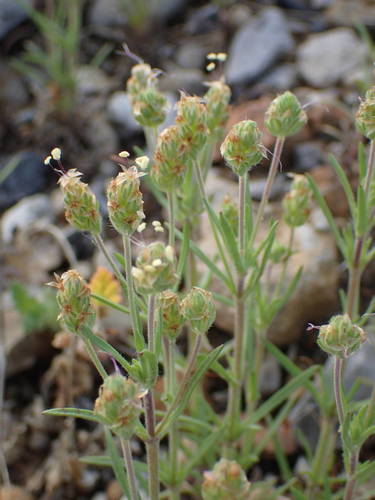
 | Plantain (Plantago major) | Worldwide | Wound healing, insect bite/sting relief, digestive | Chew/crush leaves into poultice for bites/cuts; tea for digestion |
| Willow (Salix spp.) | Near water worldwide | Pain relief (natural aspirin), fever reduction | Chew inner bark, or steep bark 10-20 min. Thumb-sized piece per cup. |
 | Chamomile | Temperate fields | Calms anxiety, sleep, digestive upset, wound wash | Steep dried flower heads 5-10 min |
| Elderberry (Sambucus) | Temperate hedgerows | Antiviral, immune support | MUST cook berries. Boil into syrup/tea. Flowers safe raw. |
 | Sphagnum moss | Bogs worldwide | Wound dressing (22x absorbent vs cotton) | Wring out, apply as bandage. Used in WWI. Boil/dry first if possible. |
| Pine resin | Coniferous forests | Antiseptic wound sealant | Collect resin from bark wounds. Warm gently, apply directly or mix with fat. |
 | Garlic (Allium) | Cultivated/wild worldwide | Broad-spectrum antimicrobial, antifungal | Crush and eat raw; apply crushed to infected wounds (will sting) |
| Blackberry root (Rubus) | Temperate worldwide | Anti-diarrheal (tannin content) | Boil root pieces 15-20 min for strong tea |
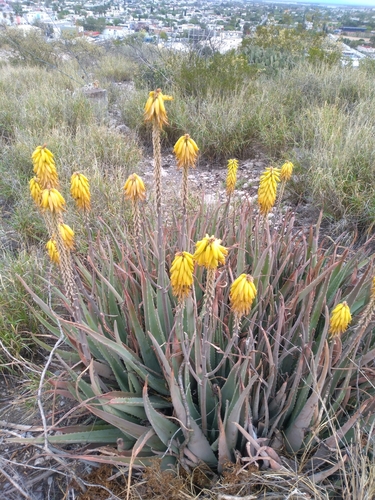 | Aloe vera | Tropical/subtropical arid | Burns, sunburn, wound care, frostbite | Split leaf, apply gel directly to skin |
| Oak bark (Quercus) | Temperate forests | Astringent — diarrhea, antiseptic wash, mouth sores | Boil bark 15-20 min; use tea internally (small amounts) or as wash |
Quick Reference: Ailment to Plant
| Ailment | Plants |
|---|---|
| Bleeding wound | Yarrow, sphagnum moss, plantain |
| Infected wound | Garlic, pine resin, calendula |
| Pain / fever | Willow bark, meadowsweet |
| Diarrhea | Blackberry root, yarrow, oak bark |
| Nausea | Ginger, chamomile, peppermint |
| Insect bites / stings | Plantain, dock leaf |
| Burns | Aloe vera, plantain, honey |
| Cough / cold | Elderberry (cooked), pine needle tea, thyme |
| Anxiety / insomnia | Chamomile, valerian root, passionflower |
Dangerous Environments
Roadside & Industrial Areas
- Heavy metals (lead, cadmium, zinc) deposit on plants within 50m of busy roads
- Plants that accumulate minerals (dock, lamb's quarters, nettle) are especially dangerous near roads
- Safe distance: 50+ meters from roads, 100+ meters from highways
- No amount of washing removes absorbed heavy metals — they are incorporated into plant tissue
Post-Nuclear Contamination
- Surface fallout particles: can be partially removed by washing, peeling, husking. Produce like apples and cabbage can be nearly decontaminated.
- Absorbed radionuclides (from contaminated soil/water): CANNOT be removed. No washing or cooking helps.
- Root vegetables absorb more radionuclides than above-ground crops
- Mushrooms are especially dangerous — they bio-accumulate radioactive cesium-137 (documented after Chernobyl)
- Surface contamination worst in first 2 weeks. Soil contamination can last decades.
- Long-term strategy: Grow new crops in clean soil or raised beds with uncontaminated soil
Parasites from Water Plants
- Liver flukes (Fasciola): Contracted by eating raw watercress, water mint, or other aquatic plants. Damages liver and bile ducts. Found on all continents except Antarctica.
- Prevention: NEVER eat raw watercress or water plants. Always boil thoroughly.
- Rat lungworm: Found on leafy greens (from slug/snail slime), especially in tropical regions. Wash all foraged greens thoroughly; cook when possible.
Water plants that MUST be cooked:


Flood & Storm Aftermath
- Floodwaters contaminate soil with sewage, chemicals, and petroleum. Do not forage in flooded areas for at least one full growing season.
- Fruit on trees above flood line may be safe if washed thoroughly. Root crops and ground-level greens are not safe.
- After hurricanes/cyclones: fallen trees expose root systems, making inner bark (cambium) easily harvestable
Volcanic Areas
- Volcanic soil is extremely fertile. Plants near active volcanism may accumulate sulfur compounds and heavy metals.
- Avoid foraging within 5 km of active volcanic vents
- After eruption: ash-covered plants are contaminated with fluorine and other toxins. Wash thoroughly or wait for new growth.
Children & Foraging
A dose that causes mild symptoms in a 70kg adult can be lethal for a 10kg toddler. Children are drawn to colorful berries and will put them in their mouths without hesitation.
Most Dangerous Plants for Children
| Plant | Danger for Child | |
|---|---|---|
 | Yew berries (red, attractive) | Cardiac arrest from 1-3 berries |
| Deadly nightshade (shiny black) | 1-2 berries potentially fatal |
| Foxglove (attractive flowers) | Small leaf piece can cause cardiac arrest |
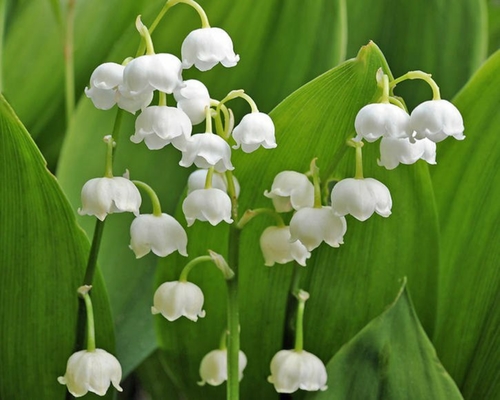 | Lily of the valley (red berries) | A few berries cause cardiac issues |
| Castor bean (mottled seeds) | 1 chewed seed |
| Water hemlock | Minute amounts lethal |
| Laburnum (hanging seed pods) | A few seeds |
Safety Rules for Children
- "Ask first, always." Children must never eat anything wild without adult verification. Non-negotiable.
- Teach "look, don't touch" for unknown plants, especially those with berries
- Start with unmistakable species only: dandelions, ripe blackberries, clover flowers
- Never let children forage unsupervised until they demonstrate reliable identification (typically 10+ years)
- If a child eats an unknown plant: save a sample, seek help immediately
Regional Foraging Strategies
Tropical (Rainforest, Jungle, Islands)
Advantages: Year-round growing, highest diversity, abundant fruit. Challenges: Rapid spoilage, high parasite risk.
- Key plants: Coconut palm (water, meat, oil — nearly complete food), breadfruit, taro (MUST boil), bamboo shoots (boil 20+ min), palm hearts, banana/plantain, papaya, mango
- Danger: Many tropical plants contain potent alkaloids. Avoid unidentified fruits. Cook everything — parasites are prevalent.


Temperate (N. America, Europe, E. Asia)
Advantages: Most documented edible plants. Challenges: Winter scarcity.
- Key plants: Dandelion (every part edible), stinging nettle (cook; iron-rich), cattail ("supermarket of the swamp" — year-round), acorns (most abundant wild nut; leach first), burdock root, chickweed, walnuts, clover, lamb's quarters
- Strategy: Four seasons provide variety. Fall nut harvest is critical for winter survival.
Arid / Desert
Advantages: Low parasite risk. Challenges: Extreme water scarcity, low plant density.
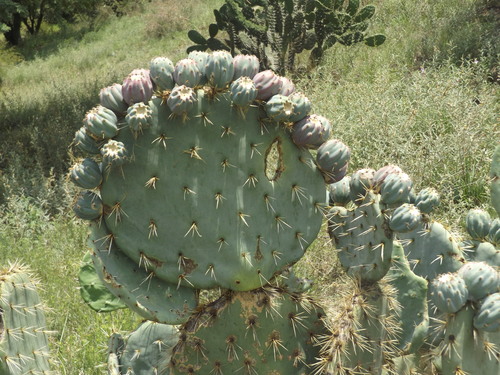
- Key plants: Prickly pear cactus (pads + fruit; 85% water), mesquite pods (ground to flour), agave heart (roast in pit oven), yucca flowers, pine nuts (pinyon)
- Water strategy: Follow green vegetation. Dig at base of cattails/willows. Prickly pear fruit for moisture. Morning dew collection.
- Caution: Remove all cactus glochids (tiny spines) before eating.


Arctic / Subarctic
Advantages: Very few poisonous plants. Challenges: Extremely short growing season, calorie sources scarce.
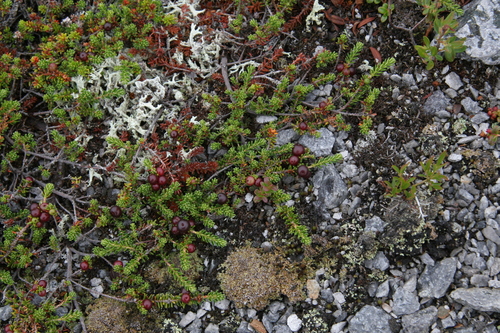
- Key plants: Reindeer moss/lichen (boil thoroughly), rock tripe, cloudberry (high vitamin C), crowberry, arctic willow (young leaves: 7-10x more vitamin C than oranges), birch (inner bark, spring sap), fireweed, seaweed (coastal: dulse, kelp)
- Critical: Plant-based survival alone is nearly impossible in arctic regions. Use plants for vitamins (especially C from willow and cloudberry) to supplement animal-based diet.


Long-Term Cultivation
If your survival situation extends beyond weeks, growing food becomes essential. Foraging alone cannot sustain a community indefinitely — population pressure depletes wild stands.
Priority Crops by Effort vs. Reward
| Crop | Cal/m²/year | Difficulty | Notes |
|---|---|---|---|
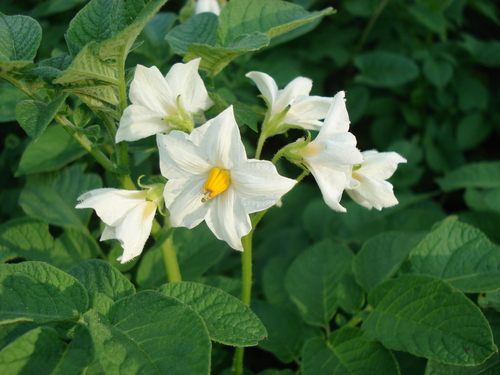
| Potato | ~5,500 | Easy | Highest calorie yield per area. Grows from eyes, not seeds. |
| Sweet potato | ~4,000 | Easy | Grows from vine cuttings. Leaves also edible. Tropical/subtropical. |
| Cassava | ~3,800 | Easy | Tropical staple. Grows in poor soil. MUST process to remove cyanide. |
| Corn / Maize | ~3,000 | Medium | Nixtamalize (soak in alkali) to prevent pellagra. |
| Beans | ~1,200 | Easy | Essential protein source. Fix nitrogen in soil. |
| Squash | ~800 | Easy | Some varieties store 6+ months. Seeds rich in zinc. |


The Three Sisters (Companion Planting)
The most efficient food garden for survival: corn + beans + squash planted together.
- Corn provides vertical structure for beans to climb
- Beans fix nitrogen in soil, providing fertilizer for corn
- Squash spreads along ground, shading soil (suppresses weeds, retains moisture)
- Together they provide complete nutrition: carbs (corn), protein (beans), vitamins + fat (squash seeds)
Seed Saving Basics
- Save seeds from your healthiest, most productive plants — this is natural selection working for you
- Let fruit fully ripen on the plant before harvesting seeds
- Dry seeds thoroughly in shade (never direct sun). Store in cool, dry, dark place.
- Most vegetable seeds last 2-5 years if kept dry. Beans and corn 3+ years. Onion/parsnip seeds only 1 year.
- Avoid hybrid (F1) varieties — their seeds don't breed true. Use heirloom/open-pollinated varieties.
Insect & Animal Protein
In a true survival situation, insects are the most reliable protein source — more available than game, easier to catch than fish, and calorie-dense.
Safe Edible Insects (Universal)
| Insect | Cal/100g | Where to Find | Preparation |
|---|---|---|---|
| Crickets/Grasshoppers | ~120 | Fields, meadows | Remove legs (barbed). Roast or boil. Best caught early morning when cold. |
| Beetle grubs (larvae) | ~200 | Rotting logs, under bark | Roast on stick or flat rock. High fat content. |
| Ants | ~100 | Everywhere | Boil to neutralize formic acid. Or eat raw in small quantities. |
| Termites | ~350 | Tropical mounds, dead wood | Eat raw or roast. Extremely calorie-dense. |
| Earthworms | ~70 | Moist soil everywhere | Purge in water 24h. Boil or dry. Good protein. |
Insects to AVOID
- Brightly colored insects — warning coloration = toxic (ladybugs, monarch butterflies, etc.)
- Hairy caterpillars — hairs cause severe allergic reactions
- Insects that sting — bees, wasps, scorpions (unless you can remove stinger)
- Ticks, flies, mosquitoes — disease vectors, not food
- Any insect with a strong smell — usually indicates chemical defense
Insect + Plant Combinations
The most nutritionally complete survival meals combine plant carbohydrates with insect protein:
- Acorn flour flatbread + roasted crickets
- Cattail root starch + grub stew
- Boiled nettle greens + ant "butter" (crushed roasted ants mixed with rendered fat)
About This Guide
This guide was compiled from publicly available survival knowledge, military field manuals, ethnobotanical research, and the Food Plants International database. Plant data in this ZIM archive covers 25,000+ species across 207 countries.
For deeper study, seek out these references if you can find copies:
- U.S. Army FM 21-76 / ATP 3-50.21 — the foundational military survival manual (public domain)
- SAS Survival Handbook — John "Lofty" Wiseman — comprehensive civilian adaptation
- Peterson Field Guide to Edible Wild Plants — regional North American identification
- The Forager's Harvest & Nature's Garden — Samuel Thayer — detailed harvesting & preparation
- Stalking the Wild Asparagus — Euell Gibbons — classic foraging guide
- Food Plants of the World — Ben-Erik van Wyk — global botanical reference
These books are under copyright and cannot be included in this archive. If you are preparing for long-term off-grid survival, acquiring physical copies is strongly recommended — they don't need batteries.