Elaeocarpus munroii
(Wight) Masters
ElaeocarpaceaeFruit
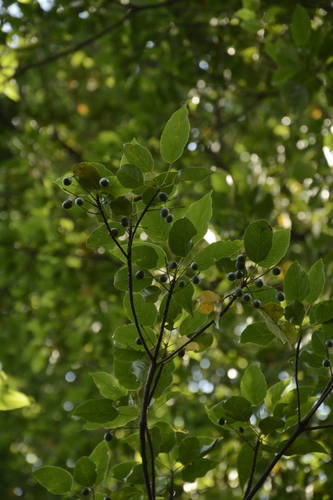
iNaturalist · cc-by
(c) Siddarth Machado, some rights reserved (CC BY)
(c) Siddarth Machado, some rights reserved (CC BY)
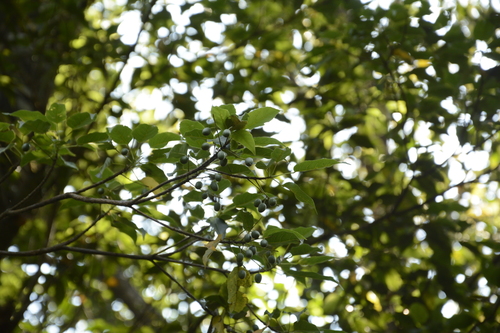
iNaturalist · cc-by
(c) Siddarth Machado, some rights reserved (CC BY)
(c) Siddarth Machado, some rights reserved (CC BY)

iNaturalist · cc-by
(c) Pranav Chandra Bose, some rights reserved (CC BY)
(c) Pranav Chandra Bose, some rights reserved (CC BY)
What to Eat
Edible parts: Fruits
The fruit are eaten.
Where to Find It
It is a tropical plant. It grows on the edges of forests between 700-2,300 m above sea level.
Asia, India,
Countries: United Arab Emirates, Afghanistan, Armenia, Azerbaijan, Bangladesh, Bahrain, Brunei, Bhutan, China, Georgia, Indonesia, Israel, India, Iraq, Iran, Jordan, Japan, Kyrgyzstan, Cambodia, North Korea, South Korea, Kuwait, Kazakhstan, Laos, Lebanon, Sri Lanka, Myanmar, Mongolia, Maldives, Malaysia, Nepal, Oman, Philippines, Pakistan, Qatar, Saudi Arabia, Singapore, Syria, Thailand, Tajikistan, Timor-Leste, Turkmenistan, Turkey, Taiwan, Uzbekistan, Vietnam, Yemen
How to Identify
A tree. It grows 15 m tall. The bark is smooth and grey. The leaves are simple and alternate or in spirals and clustered at the ends of twigs. The leaf blade is 5-9 cm long by 2-5 cm wide. They are oval with a round base and long tip. The flowers are white in groups in the axils of leaves. The fruit is oval and fleshy and 2 cm long. It has one seed.
Notes
There are about 360 Elaeocarpus species mostly in the tropics.
Names & Synonyms
Bari bikki, Kal bikki, Pungari, Punkata, Rudraksham
Monocera munroii Wight
References (2)
- Hedrick, U.P., 1919, (Ed.), Sturtevant's edible plants of the world. p 287
- Singh, H.B., Arora R.K.,1978, Wild edible Plants of India. Indian Council of Agricultural Research, New Delhi. p 59


