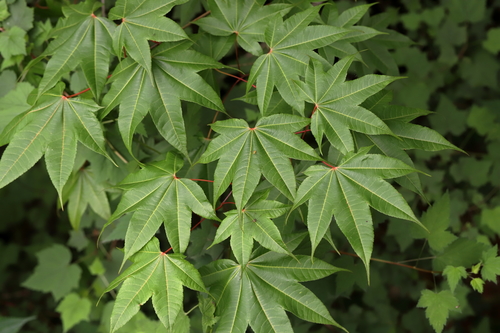
Melicoccus lepidopetala
Radlk.
Ivapovo

(c) Víctor Dávalos, some rights reserved (CC BY), uploaded by Víctor Dávalos
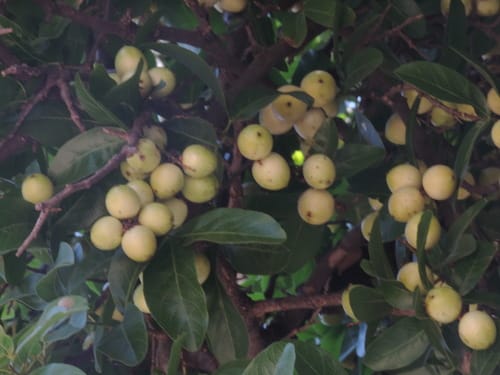
(c) jlcartes, some rights reserved (CC BY-NC)
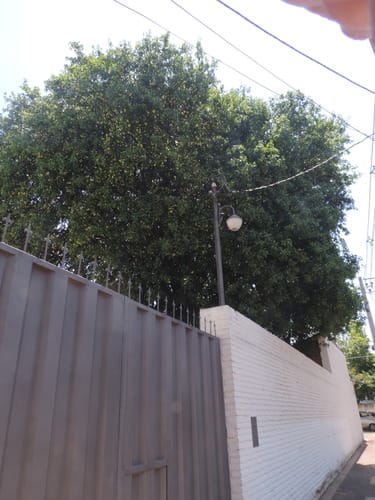
(c) jlcartes, some rights reserved (CC BY-NC)
What to Eat
Edible parts: Fruit, Seeds
The ripe fruit are eaten fresh, and the seeds are also edible.
Where to Find It
A tropical plant. In Bolivia it grows up to 600 m altitude. It Argentina it grows up to 500 m above sea level.
Argentina, Bolivia, Brazil, Colombia, Paraguay, South America*,
How to Identify
A tree. It grows 10-15 m high. The trunk is 40-60 cm across. It has a dense crown of leaves. The branches are crooked. The leaves are compound with two leaflets opposite. The leaves are oval and 8-10 cm long by 3-4 cm wide. The base is unequal. The leaf stalk is 1.5 cm long. The flowers are white. Male and female flowers are separate. The fruit is fleshy and has a hard stone inside. There is a large seed.
How to Grow
Plants are grown from seed. Ripe fruit are harvested and put into plastic bags to soften to make it easier to remove the seeds. The seeds are washed and planted fresh. They germinate in 15-25 days.
Other Information
It is also cultivated.
Names & Synonyms
Agua-pomba-macho, Agua-pomba, Ibapobo, Ivapovo, Motoyoe, Papa-mundo, Scaly petal honey berry, Yvapovo
References (12)
- Altschul, S.V.R., 1973, Drugs and Foods from Little-known Plants. Notes in Harvard University Herbaria. Harvard Univ. Press. Massachusetts. no. 2590
- Bortolotto, I. M., et al, 2015, Knowledge and use of wild edible plants in rural communities along Paraguay River, Pantanal, Brazil. Journal or Ethnobiology and Ethnomedicine. 11:46
- Bortolotto, I. M., et al, 2018, Lista preliminar das plantas alimenticias nativas de Mato Grosso do Sul, Brasil. Iheringia, Serie Botanica, Porto Alegre, 73 (supl.):101-116
- Grandtner, M. M. & Chevrette, J., 2013, Dictionary of Trees, Volume 2: South America: Nomenclature, Taxonomy and Ecology. Academic Press p 391
- Kermath, B. M., et al, 2014, Food Plants in the Americas: A survey of the domesticated, cultivated and wild plants used for Human food in North, Central and South America and the Caribbean. On line draft. p 529
- Lorenzi, H., 2002, Brazilian Trees. A Guide to the Identification and Cultivation of Brazilian Native Trees. Vol. 02 Nova Odessa, SP, Instituto Plantarum p 326
- Reis, S. V. and Lipp, F. L., 1982, New Plant Sources for Drugs and Foods from the New York Botanical Garden herbarium. Harvard. p 169
- Sitzungsber. Math.-Phys. Cl. Koenigl. Bayer. Akad. Wiss. Muenchen 8:344. 1878
- Vasquez, Roberto Ch. & Coimbra, German S., 1996, Frutas Silvestres Comestibles de Santa Cruz. p 204
- Wiersema, J. H. & Leon, B., 2013, World Economic Plants. A Standard Reference CRC Press. 2nd Ed. p 441
- World Checklist of Useful Plant Species 2020. Royal Botanic Gardens, Kew
- www.colecionandofrutas.org