Casearia nitida
(L.) Jacq.
Smooth Casearia
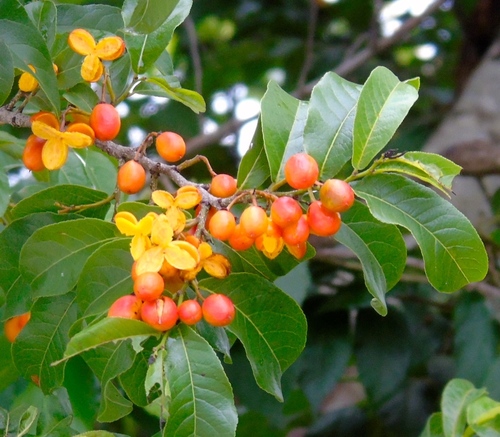
(c) Francisco Farriols Sarabia, some rights reserved (CC BY), uploaded by Francisco Farriols Sarabia
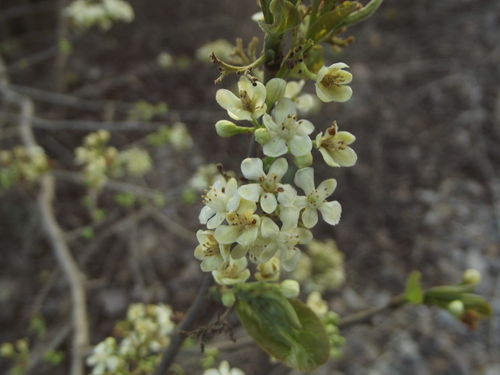
(c) J. Fernando Pío León, some rights reserved (CC BY-NC), uploaded by J. Fernando Pío León
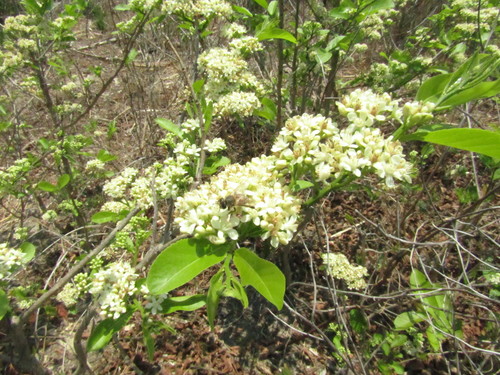
(c) ecosdelatierraac, some rights reserved (CC BY-NC), uploaded by ecosdelatierraac
What to Eat
Edible parts: Fruit, Leaves
The fruit is a capsule containing a number of seeds that are surrounded by a fleshy aril. We have no specific reports of edibility for this species, but the aril of several species in this genus are known to be edible and, unless it is very bitter, in an emergency the aril of this species is likely to supply a tiny bit of nutriment.
Known Hazards
Where to Find It
A tropical plant. It grows in coastal and scrubby woodland. It grows well in seasonally moist and dry climates. It needs sandy, well-drained soils. It needs full sun or very light shade. It is salt tolerant. It suits hardines zones 10-12.
Bahamas, Belize, Central America, Colombia, Costa Rica, Cuba, Dominican Republic, El Salvador, Guatemala, Haiti, Hispaniola, Jamaica, Mexico, North America, South America, West Indies*,
How to Identify
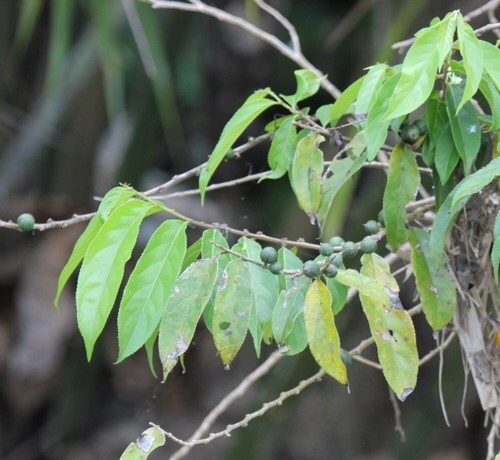
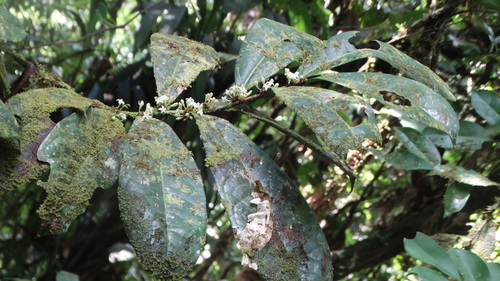
A tree which loses its leaves for short periods. It grows 5-7 m high. The leaves are narrowly oval and 4-6 cm long. The base is rounded and they taper to the tip. They are glossy and they are faint teeth around the edge. The flowers have white petals. The stamens are ruby red. The fruit is a yellow berry. The seeds have an orange-red aril, or fleshy layer around them.
How to Grow
The flowers are fragrant.
Propagation: The seed of species in this genus often has a short period of viability and so is best sown as soon as it is ripe. The seed is collected when the fruits start to open - leave them in the sun to open completely to release the seed, then rinse the seed in water to remove the arils. Sow the seed in a partially shaded position in a nursery seedbed, only just covering the seed, and keep moist. Germination rates vary, but can usually be expected to be low, with the seed sprouting within 20 - 30 days. When the seedlings are 3 - 5cm tall, pot them up into individual containers and they should be ready to plant out a few months later. Cuttings.
Medicinal Uses
It is said that there are two kinds of Ixim-che, one with small leaves and another with large leaves. For bile disorders and diseases of the spleen, the Maya bathe in water in which Ixim-che leaves have been boiled.
Other Uses
The wood is used in house construction.
Notes
There are 160-180 Casearia species. They are mostly in South America. 75 occur in tropical America. They have also been put in the plant family Flacourtiaceae.
Names & Synonyms
References (5)
- Altschul, S.V.R., 1973, Drugs and Foods from Little-known Plants. Notes in Harvard University Herbaria. Harvard Univ. Press. Massachusetts. no. 2942
- Ekman Herbarium records Haiti
- Grandtner, M. M. & Chevrette, J., 2013, Dictionary of Trees, Volume 2: South America: Nomenclature, Taxonomy and Ecology. Academic Press p 106
- Llamas, K.A., 2003, Tropical Flowering Plants. Timber Press. p 224
- Plants of Haiti Smithsonian Institute http://botany.si.edu/antilles/West Indies