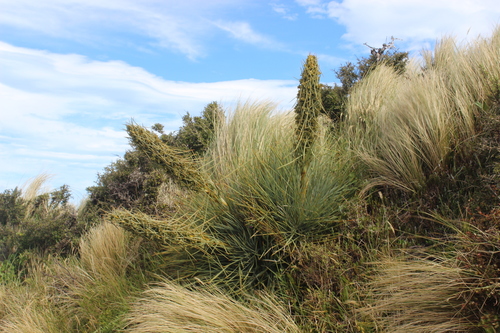
Azorella lycopodioides
Gaudich.
Clubmoss azorella
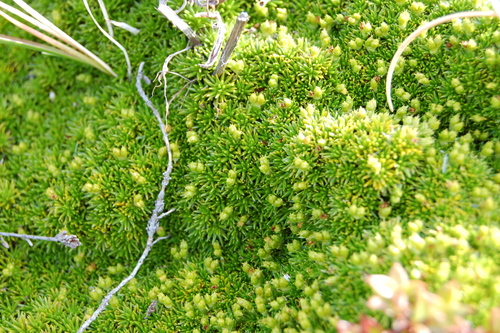
(c) Leonardo Adrián LEIVA, some rights reserved (CC BY-NC), uploaded by Leonardo Adrián LEIVA
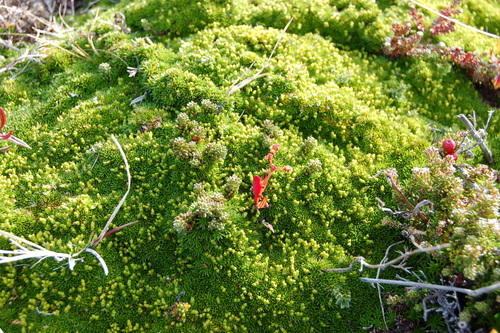
(c) Leonardo Adrián LEIVA, some rights reserved (CC BY-NC), uploaded by Leonardo Adrián LEIVA

(c) Liana May, some rights reserved (CC BY-NC), uploaded by Liana May
What to Eat
Edible parts: Root
Edible Parts: Root Edible Uses: Root - raw or cooked.
Where to Find It
It is a temperate plant. In Argentina it grows from sea level to 2,500 m above sea level.
Argentina, Chile, Falkland Islands, South America,
How to Identify
A herb or small shrub. It keeps growing from year to year. The stems are 30 cm long. The leaves are 5-10 mm long and do not have stalks. The leaves have 3 parts. The fruit is 2 mm long by 1.5 mm wide.
How to Grow
We have very little information on this species and do not know if it will be hardy in Britain, though judging by its native range it should succeed outdoors in many parts of this country. The following notes are based on the general needs of the genus. Requires a position in full sun in a well-drained gritty soil.
Propagation: Seed - we have no details for this species but suggest sowing the seed in late winter in a cold frame. Grow on for at least the first winter in a greenhouse or frame and plant out in late spring. Division.
Medicinal Uses
None known
Other Uses
None known Special Uses
Wikipedia
Azorella lycopodioides is a low evergreen perennial growing to 30 cm tall. Foliage persists year-round, and small insect-pollinated flowers appear on the self-fertile plant. It features both male and female reproductive organs. The plant prefers light, sandy, well-drained soil and can thrive in nutritionally poor conditions. It grows in mildly acidic to basic soils and requires open sun. It performs equally well in dry or moist soils.
Notes
There are about 70 Azorella species.
References (3)
- Leon-Lobos, P., et al, 2022, Patterns of Traditional and Modern Uses of Wild Edible Native Plants of Chile: Challenges and Future Perspectives. Plants (Basel) v 11 (6) Table S1
- Plants for a Future database, The Field, Penpol, Lostwithiel, Cornwall, PL22 0NG, UK. http://www.scs.leeds.ac.uk/pfaf/
- Upson, R., & Lewis R., 2014, Updated Vascular Plant Checklist and Atlas for the Falkland Islands. Falklands Conservation and Kew.