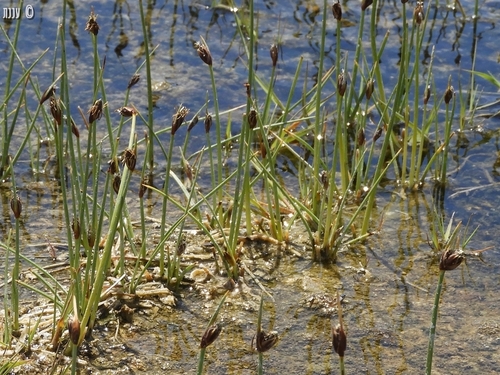
Cyperus rotundus subsp. tuberosus
(Rottb.) Kuk

no rights reserved, uploaded by 葉子
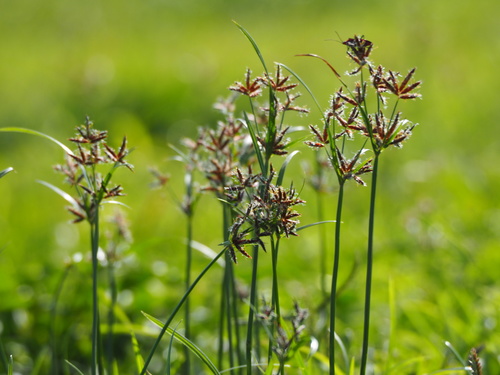
no rights reserved, uploaded by 葉子
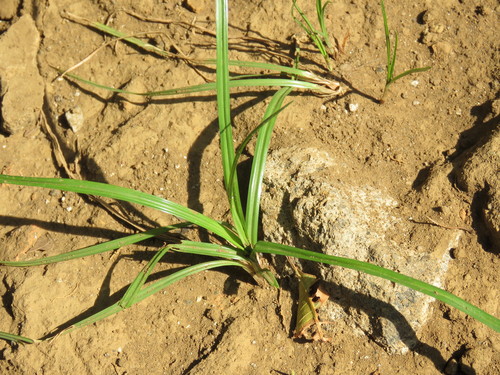
(c) jmmaes, some rights reserved (CC BY-SA), uploaded by jmmaes
What to Eat
Edible parts: Tubers, Culms, Root
C. rotundus has many beneficial uses. It is a staple carbohydrate in tropical regions for modern hunter-gatherers and is a famine food in some agrarian cultures.
Where to Find It
A tropical and subtropical plant. It grows in damp places.
Africa, Asia, Australia, Central Africa, Chad, East Africa, Malaysia, Mauritania, SE Asia, Senegal, South Sudan, West Africa,
How to Identify
A sedge. These grow in clumps and have grass like leaves and solid stalks.
Medicinal Uses
In traditional Chinese medicine, C. rotundus is considered the primary qi-regulating herb. The plant is mentioned in the ancient Indian ayurvedic medicine Charaka Samhita (circa 100 AD). Modern ayurvedic medicine uses the plant, known as musta or musta moola churna, for fevers, digestive system disorders, dysmenorrhea, and other maladies. Ayurvedic physicians use the plant for medicinal purposes in treating fevers, digestive system disorders, dysmenorrhea and other maladies. Modern alternative medicine recommends using the plant to treat nausea, fever and inflammation; for pain reduction; for muscle relaxation and for many other disorders. Arabs of the Levant traditionally use roasted tubers, while they are still hot, or hot ashes from burned tubers, for wounds, bruises, and carbuncles. Western and Islamic herbalists including Dioscorides, Galen, Serapion, Paulus Aegineta, Avicenna, Rhazes, and Charles Alston have described its use as a stomachic, emmenagogue, and deobstruent, and in emollient plasters. The antibacterial properties of the tubers may have helped prevent tooth decay in people who lived in Sudan 2000 years ago. Less than 1% of that local population's teeth had cavities, abscesses, or other signs of tooth decay, though those people were probably farmers (early farmers' teeth typically had more tooth decay than those of hunter-gatherers because the high grain content in their diet created a hospitable environment for bacteria that flourish in the human mouth, excreting acids that eat away at the teeth).
Wikipedia
Source ↗Cyperus rotundus (coco-grass, Java grass, nut grass, purple nut sedge or purple nutsedge, red nut sedge, Khmer kravanh chruk) is a species of sedge (Cyperaceae) native to Africa, southern and central Europe (north to France and Austria), and southern Asia. The word cyperus derives from the Greek κύπερος, kyperos, and rotundus is from Latin, meaning "round". The earliest attested form of the word cyperus is the Mycenaean Greek 𐀓𐀞𐀫, ku-pa-ro, written in Linear B syllabic script.
Notes
There are 550 Cyperus species.
Names & Synonyms
Nogu, Siget
References (3)
- Burkill, I.H., 1966, A Dictionary of the Economic Products of the Malay Peninsula. Ministry of Agriculture and Cooperatives, Kuala Lumpur, Malaysia. Vol 1 (A-H) p 746
- Grivetti, L. E., 1980, Agricultural development: present and potential role of edible wild plants. Part 2: Sub-Saharan Africa, Report to the Department of State Agency for International Development. p 41
- Simpson, D. A. & Inglis, C. A., 2001, Cyperaceae of Economic, Ethnobotanical and Horticultural Importance: A checklist. Kew Bulletin Vol. 56, No. 2 (2001), pp. 257-360
More from Cyperaceae