Rapanea wightiana
(Wall. ex A. DC.) Mez
PrimulaceaeFruit
iNaturalist · cc-by
(c) madhavan a.p, some rights reserved (CC BY), uploaded by madhavan a.p
(c) madhavan a.p, some rights reserved (CC BY), uploaded by madhavan a.p
iNaturalist · cc-by
(c) madhavan a.p, some rights reserved (CC BY)
(c) madhavan a.p, some rights reserved (CC BY)
What to Eat
Edible parts: Fruit
The fruit is eaten.
Where to Find It
A tropical plant. It grows along the edges of high altitude evergreen forests between 1,600-2,200 m above sea level.
Asia, India, Sri Lanka,
Countries: United Arab Emirates, Afghanistan, Armenia, Azerbaijan, Bangladesh, Bahrain, Brunei, Bhutan, China, Georgia, Indonesia, Israel, India, Iraq, Iran, Jordan, Japan, Kyrgyzstan, Cambodia, North Korea, South Korea, Kuwait, Kazakhstan, Laos, Lebanon, Sri Lanka, Myanmar, Mongolia, Maldives, Malaysia, Nepal, Oman, Philippines, Pakistan, Qatar, Saudi Arabia, Singapore, Syria, Thailand, Tajikistan, Timor-Leste, Turkmenistan, Turkey, Taiwan, Uzbekistan, Vietnam, Yemen
How to Identify
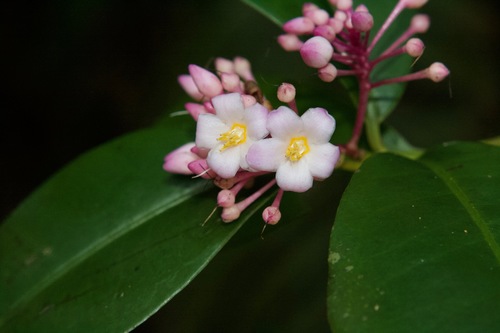
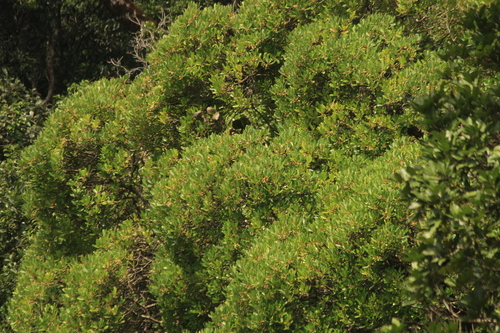
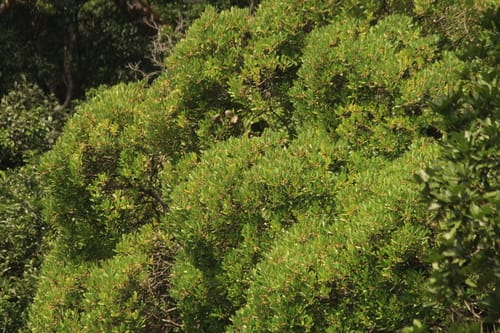
A small tree. It grows 10 m tall. The young branches are smooth and cylinder shaped with scars from fallen leaves. The leaves are simple and alternate or in spirals. The leaf blade is 4-8 cm long by 1-2.3 cm wide. They are narrowly sword shaped. The fruit is a round berry. There is one seed.
Notes
Also put in the family Myrsinaceae.
Names & Synonyms
Cheeramaram
Myrsine capitellata Wall. var. lanceolata C.B.ClarkeMyrsine wightiana Wall. ex A. DC.
References (1)
- Ambasta S.P. (Ed.), 2000, The Useful Plants of India. CSIR India. p 515