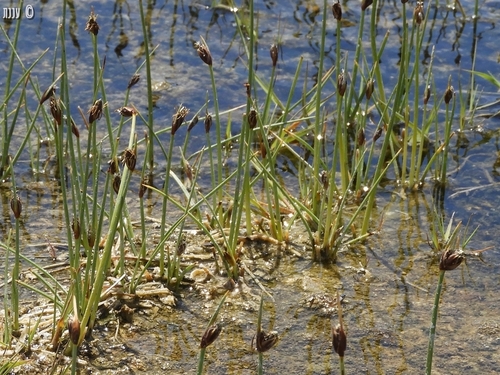
Scleria biflora
Roxb.
Eelat

(c) Bahamut Chao, some rights reserved (CC BY-NC-ND)
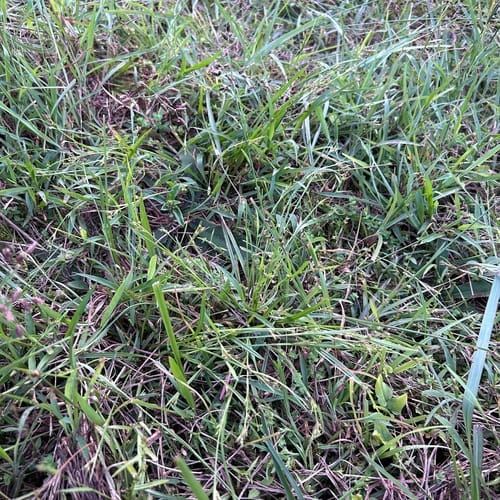
(c) 洪阿愷, some rights reserved (CC BY-NC)
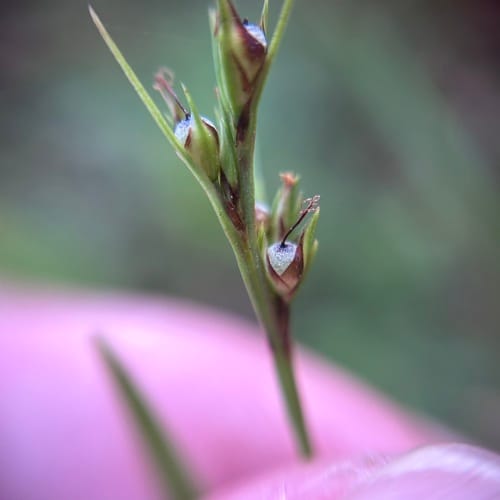
(c) 洪阿愷, some rights reserved (CC BY-NC)
What to Eat
Edible parts: Plant
The young plants are eaten with rice either raw or steamed.
Where to Find It
A tropical plant. They grow in rice fields and in swampy soils. It suits moist shady places. It can grow from sea level to 2,040 m above sea level. In Yunnan.
Asia, China, Himalayas, India, Indochina, Indonesia, Japan, Laos, Malaysia, Myanmar, Nepal, Philippines, SE Asia, Sri Lanka, Taiwan, Thailand, Vietnam,
How to Identify
A grassy looking annual sedge. The stems are triangle shaped in cross section. It grows 30-60 cm high. The leaves are on the stems. There is a 3 angled tube shaped sheath. The leaves are 3-5 mm wide. The flowering shoots have 2 or 3 branches with many spikelets.
Wikipedia
Source ↗Scleria biflora is a plant in the family Cyperaceae. It grows as a tufted annual grass.
Notes
There are about 220 Scleria species. There are 60 Scleria species in tropical America.
Names & Synonyms
References (2)
- Ambasta S.P. (Ed.), 2000, The Useful Plants of India. CSIR India. p 560
- Romanowski, N., 2007, Edible Water Gardens. Hyland House. p 114
More from Cyperaceae