Clethra occidentalis
(L.) Kuntze
Soap-wood
ClethraceaeFruit
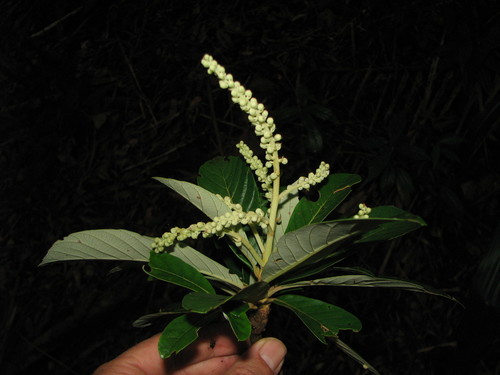
iNaturalist · cc-by-nc
(c) Jan Meerman, some rights reserved (CC BY-NC), uploaded by Jan Meerman
(c) Jan Meerman, some rights reserved (CC BY-NC), uploaded by Jan Meerman
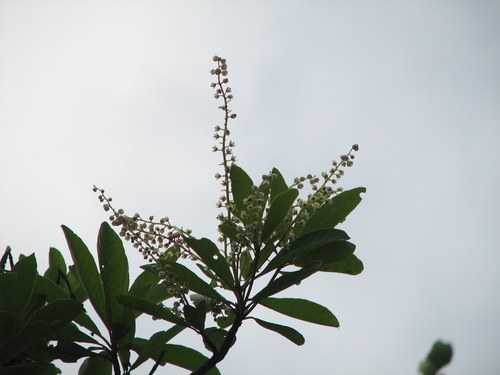
iNaturalist · cc-by-nc
(c) Jan Meerman, some rights reserved (CC BY-NC)
(c) Jan Meerman, some rights reserved (CC BY-NC)
What to Eat
Edible parts: Fruit
The fruit is eaten.
Where to Find It
A tropical plant.
America, Bolivia, Brazil, Central America, Jamaica, South America, West Indies,
Countries: Antigua & Barbuda, Argentina, Barbados, Bolivia, Brazil, Bahamas, Belize, Chile, Colombia, Costa Rica, Cuba, Dominica, Dominican Republic, Ecuador, Grenada, French Guiana, Guatemala, Guyana, Honduras, Haiti, Jamaica, St Kitts & Nevis, St Lucia, Nicaragua, Panama, Peru, Puerto Rico, Paraguay, Suriname, El Salvador, Trinidad & Tobago, Uruguay, St Vincent, Venezuela
How to Identify
The fruit is a round green berry. The pulp is sweet, white and mealy. It has a brown hard stone.
Names & Synonyms
Asajarillo, Sweet pepper, Wild pear
Clethra angustifolia DC.Clethra tinifolia Sw.and others
References (2)
- Hedrick, U.P., 1919, (Ed.), Sturtevant's edible plants of the world. p 204 (As Clethra tinifolia)
- Martin, F. W., et al, 1987, Perennial Edible Fruits of the Tropics. USDA Handbook 642 p 93 (As Clethra tinifolia)
