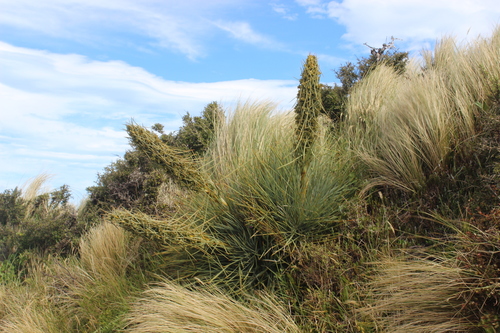
Cymopterus glomeratus
DC.
Biscuit root, Corkwing, Wafer parsnip

(c) Audrey Morris, some rights reserved (CC BY-NC), uploaded by Audrey Morris
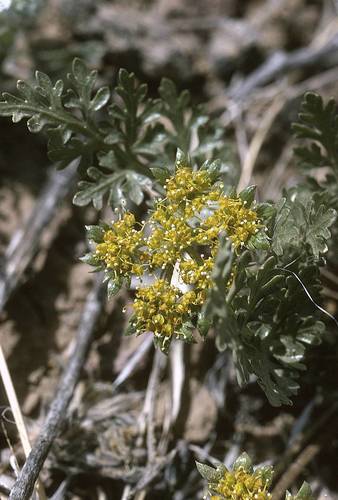
(c) Smithsonian Institution, National Museum of Natural History, Department of Botany, some rights reserved (CC BY-NC-SA)
What to Eat
Edible parts: Root, Stems, Leaves
The roots, young stems, and leaves are eaten raw or cooked. The roots are added to meat for flavoring.
Where to Find It
It is a temperate plant.
North America, USA
How to Identify
A temperate herb of the Apiaceae family with edible roots, young stems, and leaves.
Wikipedia
Source ↗Cymopterus glomeratus (Fendler's spring-parsley, Fendler's cymopterus, plains springparsley), now including Cymopterus acaulis, is a flowering plant. This plant is an aromatic plant of the family Apiaceae, a family of commonly known as the “celery, carrot, or parsley” family. The genus name comes from the Greek word, “Cyma” which means “wave” and “Pteron” which means “wing”, and combines to form the genus “Cymopterus”. Incorrectly known as Cymopterus acaulis, a multivariate and phylogenic analysis of this plant species found that there were “not geographically distinguishable based on their overlapping or adjacent distributions” and proposed to recognize as Cymopterus acaulis and all of its varieties as one species as Cymopterus glomeratus. There were five varieties of Cymopterus acaulis, which include var. C. acaulis, var. C. fendleri, var. C. greeleyorum, var. C. higginsii, and var. C. parvus.
Names & Synonyms
References (2)
- Hedrick, U.P., 1919, (Ed.), Sturtevant's edible plants of the world. p 257
- Kermath, B. M., et al, 2014, Food Plants in the Americas: A survey of the domesticated, cultivated and wild plants used for Human food in North, Central and South America and the Caribbean. On line draft. p 291 (As Cymopteris acaulis var. fendleri)