Exothea paniculata
Cambess.
Butter bough
SapindaceaeFruit
iNaturalist · cc-by-nc
(c) mariana_bravo_mendoza, some rights reserved (CC BY-NC)
(c) mariana_bravo_mendoza, some rights reserved (CC BY-NC)
iNaturalist · cc-by
(c) Alexis López Hernández, some rights reserved (CC BY), uploaded by Alexis López Hernández
(c) Alexis López Hernández, some rights reserved (CC BY), uploaded by Alexis López Hernández
iNaturalist · cc-by
(c) Alexis López Hernández, some rights reserved (CC BY), uploaded by Alexis López Hernández
(c) Alexis López Hernández, some rights reserved (CC BY), uploaded by Alexis López Hernández
What to Eat
Edible parts: Fruit
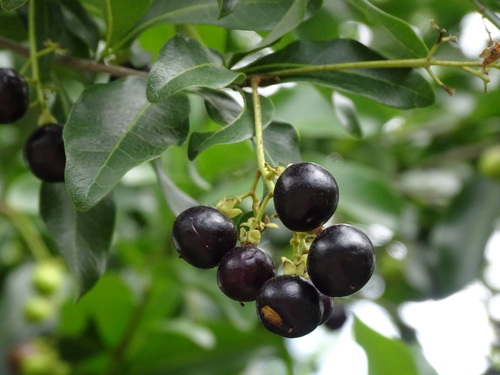
The fruit are roasted and eaten.
Where to Find It
A tropical plant.
Caribbean, Central America, Nicaragua, West Indies,
Countries: Antigua & Barbuda, Barbados, Bahamas, Belize, Costa Rica, Cuba, Dominica, Dominican Republic, Grenada, Guatemala, Honduras, Haiti, Jamaica, St Kitts & Nevis, St Lucia, Nicaragua, Panama, Puerto Rico, El Salvador, Trinidad & Tobago, St Vincent
How to Identify
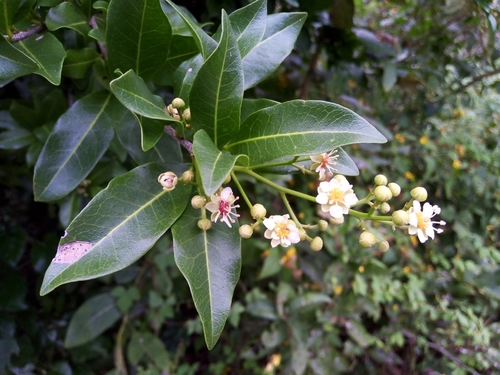
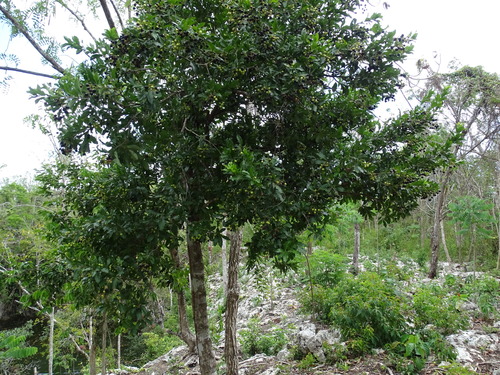
A tree. It can grow 20 m tall. The trunk is 50 cm across. The leaves have opposite leaflets that are 14 cm long. The fruit is a berry that is dark purple to black when ripe.
Wikipedia
Source ↗Exothea paniculata, called the butterbough, inkwood, or ironwood, is a species of flowering plant in the family Sapindaceae. It is native to wet tropical areas of Florida, Mexico, Central America, the Caribbean, and Colombia. A shrub or tree reaching 45 ft (14 m), it is typically found in hammocks.
Names & Synonyms
Hypelate paniculata Cambess.and others
References (1)
- Hedrick, U.P., 1919, (Ed.), Sturtevant's edible plants of the world. p 352 (As Hypelate paniculata)