Paropsia edulis
Noronha ex Thouars
PassifloraceaeFruit
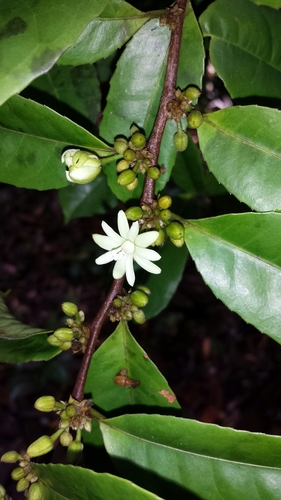
iNaturalist · cc-by-nc
(c) Franck Rakotonasolo, some rights reserved (CC BY-NC), uploaded by Franck Rakotonasolo
(c) Franck Rakotonasolo, some rights reserved (CC BY-NC), uploaded by Franck Rakotonasolo
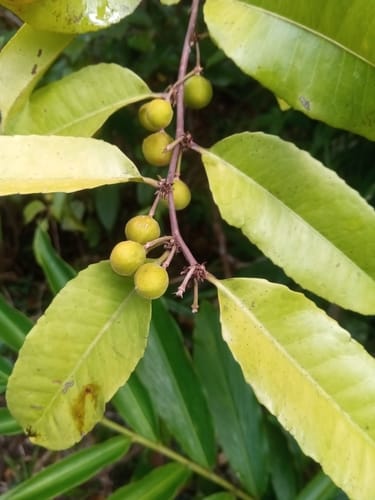
iNaturalist · cc-by-nc
(c) vononarbgkew, some rights reserved (CC BY-NC)
(c) vononarbgkew, some rights reserved (CC BY-NC)
What to Eat
Edible parts: Aril, Fruit
The aril (fleshy layer around the seed) and fruit are eaten fresh. The aril is notably sweet.
Where to Find It
A tropical plant. In Madagascar it grows up to 500 m above sea level. It grows in humid forest.
Africa, East Africa, Madagascar*, Mozambique,
Countries: Angola, Burkina Faso, Burundi, Benin, Botswana, Congo (DRC), Central African Republic, Congo (Republic), Cote d'Ivoire, Cameroon, Cape Verde, Djibouti, Algeria, Egypt, Eritrea, Ethiopia, Gabon, Ghana, Gambia, Guinea, Equatorial Guinea, Guinea-Bissau, Kenya, Comoros, Liberia, Lesotho, Libya, Morocco, Madagascar, Mali, Mauritania, Mauritius, Malawi, Mozambique, Namibia, Niger, Nigeria, Rwanda, Seychelles, Sudan, Sierra Leone, Senegal, Somalia, South Sudan, Sao Tome & Principe, Eswatini, Chad, Togo, Tunisia, Tanzania, Uganda, South Africa, Zambia, Zimbabwe
How to Identify
A tropical shrub in the Passifloraceae family found in humid forests of Madagascar up to 500 m elevation. It produces fruits with a sweet, fleshy aril surrounding the seed.
Other Information
The fleshy layer around the seed is sweet.
Notes
There are 11 Paropsia species.
Names & Synonyms
Vilo
Paropsia vesiculosa Noronha
References (3)
- Hedrick, U.P., 1919, (Ed.), Sturtevant's edible plants of the world. p 465
- Schatz, G.E., 2001, Generic Tree Flora of Madagascar. Royal Botanical Gardens, Kew and Missouri Botanical Garden. p 300 (Genus)
- World Checklist of Useful Plant Species 2020. Royal Botanic Gardens, Kew


