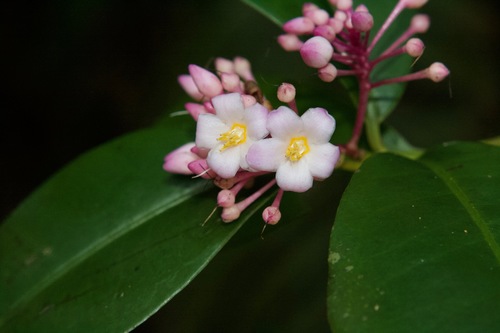
Primula officinalis
Jacq.
Primrose

(c) janek42, some rights reserved (CC BY-NC)

(c) janek42, some rights reserved (CC BY-NC)

(c) janek42, some rights reserved (CC BY-NC)
What to Eat
Edible parts: Leaves
Cowslip leaves have been traditionally used in Spanish cooking as a salad green. Uses in English cookery include using the flowers to flavor country wine and vinegars; sugaring to be a sweet or eaten as part of a composed salad while the juice of the cowslip is used to prepare tansy for frying. The close cousin of the cowslip, the primrose P. vulgaris has often been confused with the cowslip and its uses in cuisine are similar with the addition of its flowers being used as a colouring agent in desserts. English children's writer Alison Uttley in her story "The Country Child" (1931) of family life on an English farm from the perspective of a 9-year-old farmer's daughter Susan describes cowslips among the favourite flowers of her heroine and mentions her participation in preparing them for making cowslip wine, a locally important process. After its initial preparation, cowslip wine "would change to sparkling yellow wine" offered in "little fluted glasses" with a biscuit to important "morning visitors" of the farm: such as the curate coming for subscriptions, the local squire (landowner) and an occasional dealer (of their produce). This wine "was more precious than elderberry wine, which was the drink for cold weather, for snow and sleet". In the midland and southern counties of England, a sweet and pleasant wine resembling the muscadel is made from the cowslip flower, and it is one of the most wholesome and pleasant of home-made wines, and slightly narcotic in its effects. In times when English wines were more used, every housewife in Warwickshire could produce her clear cowslip wine…the cowslip is still sold in many markets for this purpose, and little cottage girls still ramble the meadows during April and May in search of it…country people use it as a salad or boil it for the table. Anne Pratt
Where to Find It
It is a temperate plant.
Europe, Turkey, Türkiye,
How to Identify
A temperate herb in the primrose family (Primulaceae), primrose produces edible leaves that are commonly added to salads.
References (2)
- Hedrick, U.P., 1919, (Ed.), Sturtevant's edible plants of the world. p 515
- Veg. syst. 8:25. 1765 [As (L.) Hill]