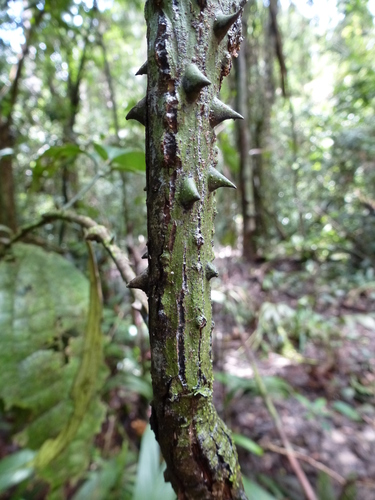
Strychnos tieute
Lesch.

Paris, Muséum National d'Histoire Naturelle, MJ

GBIF

RECOLNAT (ANR-11-INBS-0004)
What to Eat
Edible parts: Fruit
The fruit are eaten.
Known Hazards
Where to Find It
A tropical plant.
Asia, Indonesia, SE Asia,
How to Identify
A tropical tree in the Loganiaceae family. The fruit are edible, though the root bark is very poisonous.
Medicinal Uses
Antiaris toxicaria is a fairly small-scale source of timber and yields a lightweight hardwood with density of 250–540 kilogram per cubic metre (similar to balsa). As the wood peels very easily and evenly, it is commonly used for veneer. The bark has a high concentration of tannins that are used in traditional clothes dyeing and paints. The seed from the fruit, which is a soft and edible red or purple drupe 2 cm in diameter, is dispersed by birds, bats, possums, monkeys, deer, antelopes and humans. In Africa and Polynesia the bast fibre is harvested and is used in preparing strong, coarse bark cloth for clothing. The clothes often are decorated with the dye produced from the bark tannins. Antiaris toxicaria is an excellent, fast-growing shade tree and often is grown around human dwellings for shade. The leaf litter is an excellent compost material and high in nutrients. It often is applied as mulch or green manure in local gardens, which must be grown beyond the shade of the extremely dense canopy of the tree. Recently, the plant had allegedly been used by retired Tanzanian pastor Ambilikile Mwasapile to allegedly cure all manner of diseases, including HIV/AIDS, diabetes, high blood pressure, cancer, asthma, and others. While found to be harmless to humans when boiled in accordance with Mwasapile's mode of creating a medicinal drink out of the bark, it allegedly was undergoing testing by the WHO and Tanzanian health authorities to verify whether it has any medicinal value. However, conflicting reports suggest that the plant in question is not in fact Antiaris, but rather Carissa edulis.
References (3)
- Ann. Mus. Natl. Hist. Nat. 16:479, t. 23. 1810
- Hedrick, U.P., 1919, (Ed.), Sturtevant's edible plants of the world. p 637
- Heywood, V.H., Brummitt, R.K., Culham, A., and Seberg, O. 2007, Flowering Plant Families of the World. Royal Botanical Gardens, Kew. p 195