Vitis bicolor
Le Conte.
Blue grape, Summer grape
VitaceaeFruit
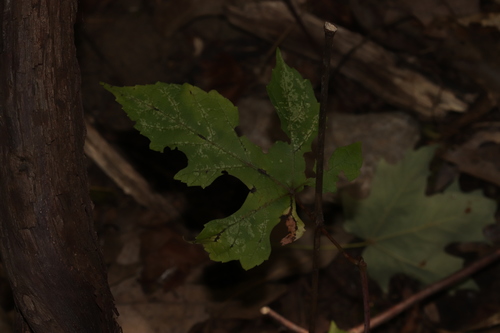
iNaturalist · cc-by-nc
(c) Sequoia Janirella Wrens, some rights reserved (CC BY-NC)
(c) Sequoia Janirella Wrens, some rights reserved (CC BY-NC)
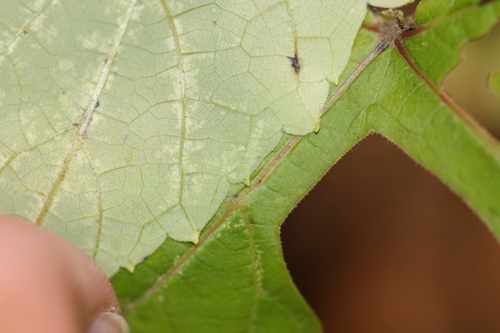
iNaturalist · cc-by-nc
(c) Sequoia Janirella Wrens, some rights reserved (CC BY-NC)
(c) Sequoia Janirella Wrens, some rights reserved (CC BY-NC)
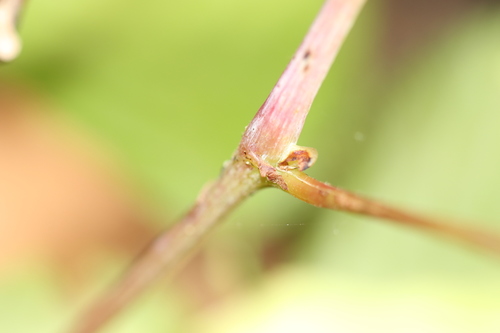
iNaturalist · cc-by-nc
(c) Sequoia Janirella Wrens, some rights reserved (CC BY-NC)
(c) Sequoia Janirella Wrens, some rights reserved (CC BY-NC)
What to Eat
Edible parts: Fruit
The fruit is edible and can be consumed fresh.
Dangerous Lookalikes
This plant can be confused with the following toxic species. Always verify identification carefully before consuming any wild plant.
DEADLY

Canadian Moonseed
Menispermum canadense
SAFE
Blue grape
Vitis bicolor


Canadian Moonseed: No tendrils, single crescent/moon-shaped seed, leaf stem attaches to underside of leaf.
Blue grape: Vine with tendrils, round seeds, leaf stem at edge of leaf, bark that peels.
Where to Find It
It is a temperate plant.
North America, USA,
Countries: Antigua & Barbuda, Barbados, Bahamas, Belize, Canada, Costa Rica, Cuba, Dominica, Dominican Republic, Grenada, Guatemala, Honduras, Haiti, Jamaica, St Kitts & Nevis, St Lucia, Mexico, Nicaragua, Panama, Puerto Rico, El Salvador, Trinidad & Tobago, United States, St Vincent
How to Identify
A temperate vine in the Vitaceae family that produces blue grapes suitable for eating.
References (1)
- Hedrick, U.P., 1919, (Ed.), Sturtevant's edible plants of the world. p 682


