Caution — Parts of this plant may be toxic or require specific preparation. Verify with multiple sources before consuming.
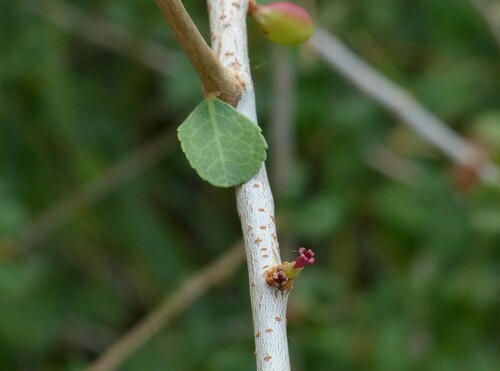
iNaturalist · cc-by-nc (c) Radha Veach, some rights reserved (CC BY-NC)
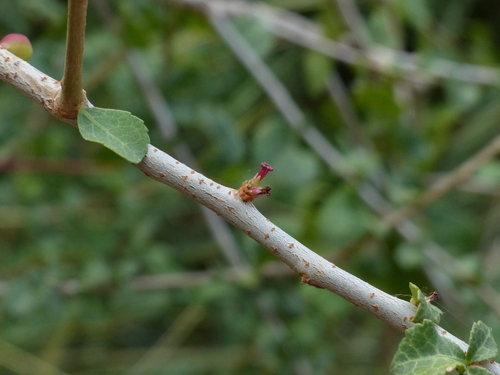
iNaturalist · cc-by-nc (c) Radha Veach, some rights reserved (CC BY-NC)
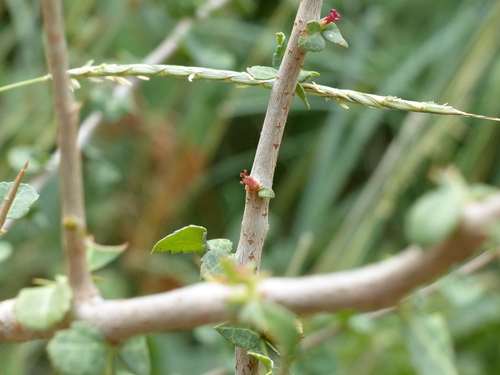
iNaturalist · cc-by-nc (c) Radha Veach, some rights reserved (CC BY-NC)
What to Eat
Edible parts: Gum - flavouring
The gum is used as a flavoring agent.
Known Hazards
Because of its use in traditional medicine, C. wightii has been overharvested, and has become so scarce in its two habitats in India—Gujarat and Rajasthan—that the World Conservation Union (IUCN) has enlisted it in its IUCN Red List of threatened species. Several efforts are in place to address this situation. India's National Medicinal Plants Board launched a project in Kutch District to cultivate 500 to 800 hectares (1,200 to 2,000 acres) of guggal, while a grass-roots conservation movement, led by IUCN associate Vineet Soni, has been started to educate guggal growers and harvesters in safe, sustainable harvesting methods.
Where to Find It
A subtropical plant.
Africa, Arabia, Asia, Bangladesh, East Africa, India, Middle East, Pakistan,
A subtropical tree in the Burseraceae family that produces a gum resin.
Medicinal Uses
Commiphora wightii has been a key component in ancient Indian Ayurvedic system of medicine.
The extract of gum guggul, called gugulipid, guggulipid, or guglipid, has been used in Unani and Ayurvedic medicine, for nearly 3,000 years in India. One chemical ingredient in the extract is the steroid guggulsterone, which acts as an antagonist of the farnesoid X receptor, once believed to result in decreased cholesterol synthesis in the liver. However, several studies have been published that indicate no overall reduction in total cholesterol occurs using various dosages of guggulsterone and levels of low-density lipoprotein ("bad cholesterol") increased in many people.
Production
A tree produces 900 g of resin.
Notes
It is used as a medicine to treat diabetes. The active ingredient is guggulsterones.
A. L. P. P. de Candolle & A. C. de Candolle, Monogr. phan. 4:12. 1883
Facciola, S., 1998, Cornucopia 2: a Source Book of Edible Plants. Kampong Publications, p 62
Jiang, G., et al, 2013, Targeting beta-Catenin signaling to induce apoptosis in human breast cancer cells by z-Guggulsterone and Gugulipid extract of Ayurvedic medicine plant Commiphora mukul. BMC Complementary and Alternative Medicine. 13:203