Leonurus cardiaca
L.
Motherwort

(c) AnneTanne, some rights reserved (CC BY-NC)

(c) Alex Abair, some rights reserved (CC BY), uploaded by Alex Abair

(c) AnneTanne, some rights reserved (CC BY-NC)
What to Eat
Edible parts: Flowers - tea, Flowers - flavour, Leaves- tea
Fresh or dried flowers used as flavoring in soups, particularly lentil and split pea varieties, and as beer flavoring. Fresh or dried flowers brewed as tea.
Known Hazards
Where to Find It
It is a temperate plant. In Argentina it grows from sea level to 500 m above sea level.
TEMPERATE ASIA: Turkey EUROPE: Denmark, Finland, Norway, Czechoslovakia, Austria, Belgium, Switzerland, Germany, Hungary, Netherlands, Poland, Russian Federation-European part (European part (south)), Belarus, Estonia, Lithuania, Latvia, Ukraine (incl. Krym), Former Yugoslavia, Albania, Bulgaria, Greece, Italy, Romania, Spain, France
How to Identify
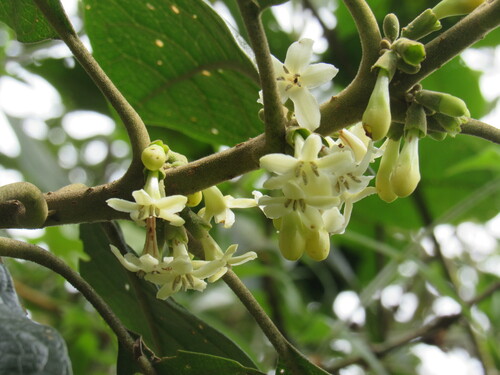
A small herb. It keeps growing from year to year and has a strong smell. It grows 1.2 m high and spreads 60 cm wide. The stems are purple. The leaves are lobed like fingers on a hand. They are 7 cm long. The flowers are mauve to white and downy. They have purple spotted lips. The flowers are produced in rings in the axils of leaves.
How to Grow
An easily grown plant that succeeds in most soils, preferring one on the poor side. This plant was at one time cultivated for its medicinal uses. The whole plant is deliciously pungent when handled. The plant often self-sows when well-sited. In garden design, as well as the above-ground architecture of a plant, root structure considerations help in choosing plants that work together for their optimal soil requirements including nutrients and water.
Propagation: Seed: Sow spring in cold frame. Prick seedlings into individual pots when large enough and plant out in summer. Alternatively sow in outdoor seedbed or in situ if seed is abundant. Division in spring or autumn: replant larger clumps directly in permanent positions, or pot smaller clumps and grow in cold frame until well rooted, planting out in spring.
Medicinal Uses
Leaves are antispasmodic, astringent, cardiac, diaphoretic, emmenagogue, nervine, sedative, stomachic, and uterine stimulant. Especially valuable for female weaknesses and disorders, allaying nervous irritability and inducing calm throughout nervous system. Addresses heart palpitations with strengthening effect on weak hearts. Antispasmodic and sedative effects promote relaxation without drowsiness. Taken internally for heart complaints, particularly palpitations, and menstruation, childbirth, and menopause problems of nervous origin. Taste too bitter for infusion; usually made into conserve or syrup. Alcoholic extract reportedly superior to valerian. Effective for functional heart complaints from autonomic imbalance and as anti-thyroid treatment when taken several months. Whole herb harvested in August when flowering and dried for use. Avoid in early pregnancy and with heavy periods. Homeopathic remedy treats heart complaints, amenorrhea, menopausal problems, and flatulence. German Commission E approves for nervous heart complaints.
Other Uses
Dark olive-green dye obtained from leaves.
Wikipedia
Source ↗Hardy perennial reaching 1 m tall by 0.5 m wide. Hardy to UK zone 3, flowering July to September with seeds ripening August to September. Hermaphroditic, bee-pollinated. Grows in light sandy, medium loamy, and heavy clay soils tolerating nutritionally poor soil. Adapts to mildly acid, neutral, and basic pH levels. Tolerates semi-shade and light woodland conditions or full sun, preferring moist soil.
Production
There are 4 Leonurus species.
Names & Synonyms
Aryutsagi, Lion's tail, Sirdininkai
References (8)
- Brown, D., 2002, The Royal Horticultural Society encyclopedia of Herbs and their uses. DK Books. p 258
- Facciola, S., 1998, Cornucopia 2: a Source Book of Edible Plants. Kampong Publications, p 127
- MacKinnon, A., et al, 2009, Edible & Medicinal Plants of Canada. Lone Pine. p 280
- Nanagulyan, S., et al, 2020, Wild plants and fungi sold in the markets of Yerevan (Armenia). Journal of Ethnobiology and Ethnomedicine 16:26
- Prakofjewa, J., et al, 2023, Boundaries Are Blurred: Wild Food Plant Knowledge Circulation across the Polish-Lithuanian-Belarusian Borderland. Biology 2023, 12, 571.
- Shikov, A. N. et al, 2017, Traditional and Current Food Use of Wild Plants Listed in the Russian Pharmacopoeia. Frontiers in Pharmacology. Vol. 8 Article 841
- Sp. pl. 2:584. 1753
- www.wildediblefood.com