Triticum boeoticum
Boiss.
Wild einkorn, Thaoudar wheat
PoaceaeSeeds/Nuts

iNaturalist · cc-by-nc
(c) Сергей, some rights reserved (CC BY-NC)
(c) Сергей, some rights reserved (CC BY-NC)
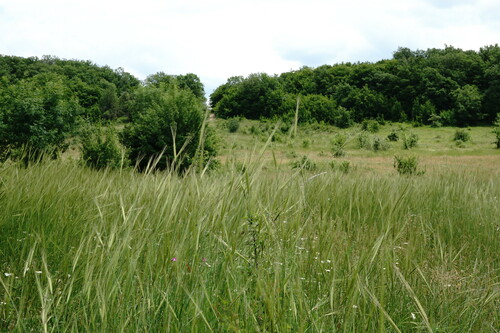
iNaturalist · cc-by-nc
(c) Сергей, some rights reserved (CC BY-NC)
(c) Сергей, some rights reserved (CC BY-NC)

iNaturalist · cc-by-nc
(c) Сергей, some rights reserved (CC BY-NC)
(c) Сергей, some rights reserved (CC BY-NC)
What to Eat
Edible parts: Seeds, Cereal
Einkorn is a common food in northern Provence, France. It is used for bulgur or as animal feed in mountainous areas of countries including France, India, Italy, Morocco, the former Yugoslavia, and Turkey. It contains gluten (so is not suitable for people with gluten-related disorders) and has a higher percentage of protein than modern red wheats. It is considered more nutritious because it has higher levels of fat, phosphorus, potassium, pyridoxine, and beta-carotene.
Where to Find It
It is a temperate plant.
Armenia, Caucasus, Europe, Iran, Middle East,
Countries: Andorra, United Arab Emirates, Albania, Austria, Bosnia & Herzegovina, Belgium, Bulgaria, Bahrain, Belarus, Switzerland, Cyprus, Czechia, Germany, Denmark, Estonia, Spain, Finland, France, United Kingdom, Greece, Croatia, Hungary, Ireland, Israel, Iraq, Iran, Iceland, Italy, Jordan, Kuwait, Lebanon, Liechtenstein, Lithuania, Luxembourg, Latvia, Monaco, Moldova, Montenegro, North Macedonia, Malta, Netherlands, Norway, Oman, Poland, Portugal, Qatar, Romania, Serbia, Russia, Saudi Arabia, Sweden, Slovenia, Slovakia, San Marino, Syria, Ukraine, Yemen
How to Identify
A grass in the family Poaceae with seeds occasionally eaten. Wild einkorn is a temperate grain crop.
References (5)
- Diagn. pl. orient. ser. 1, 13:69. 1854
- Facciola, S., 1998, Cornucopia 2: a Source Book of Edible Plants. Kampong Publications, p 181
- Gabrielian, E. & Zohary, D.: Wild relatives of food crops native to Armenia and Nakhichevan. — Fl. Medit. 14: 5-80. 2004. — ISSN 1120-4052.
- Haruntyunyan, M., et al, 2010, Red List assessment of nine Aegilops species in Armenia. Genet. Resour. Crop Evol. 57:1177-1189
- Kunkel,


