Ranunculus polyanthemos
L.
Duguncicegi
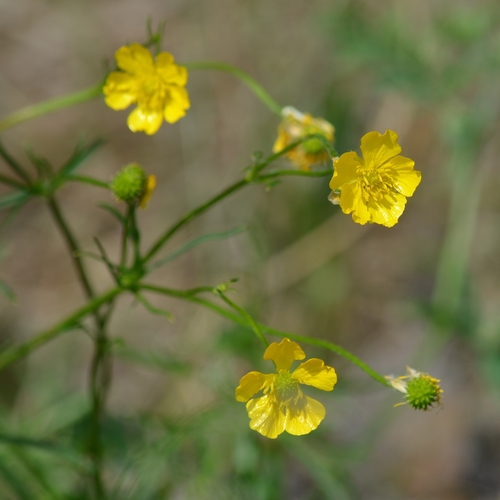
iNaturalist · cc-by-nc
(c) Konstantin Pavlov, some rights reserved (CC BY-NC), uploaded by Konstantin Pavlov
(c) Konstantin Pavlov, some rights reserved (CC BY-NC), uploaded by Konstantin Pavlov
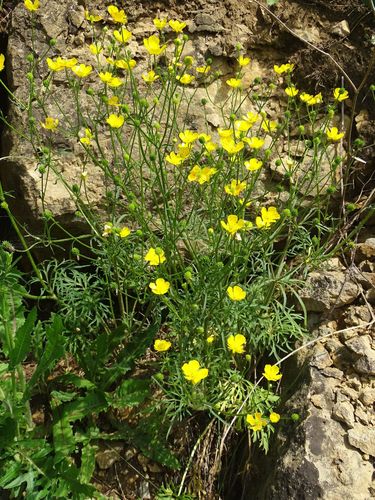
iNaturalist · cc-by-nc
(c) Marina Privalova, some rights reserved (CC BY-NC), uploaded by Marina Privalova
(c) Marina Privalova, some rights reserved (CC BY-NC), uploaded by Marina Privalova

iNaturalist · cc-by-nc
(c) Dina Nesterkova, some rights reserved (CC BY-NC), uploaded by Dina Nesterkova
(c) Dina Nesterkova, some rights reserved (CC BY-NC), uploaded by Dina Nesterkova
What to Eat
Edible parts: Leaves
The above ground parts are pickled in salt water to remove toxins and then used in herbal cheeses.
Known Hazards
Where to Find It
It is a temperate plant.
Asia, Europe, Mongolia, Turkey, Türkiye,
Countries: Andorra, United Arab Emirates, Afghanistan, Albania, Armenia, Austria, Azerbaijan, Bosnia & Herzegovina, Bangladesh, Belgium, Bulgaria, Bahrain, Brunei, Bhutan, Belarus, Switzerland, China, Cyprus, Czechia, Germany, Denmark, Estonia, Spain, Finland, France, United Kingdom, Georgia, Greece, Croatia, Hungary, Indonesia, Ireland, Israel, India, Iraq, Iran, Iceland, Italy, Jordan, Japan, Kyrgyzstan, Cambodia, North Korea, South Korea, Kuwait, Kazakhstan, Laos, Lebanon, Liechtenstein, Sri Lanka, Lithuania, Luxembourg, Latvia, Monaco, Moldova, Montenegro, North Macedonia, Myanmar, Mongolia, Malta, Maldives, Malaysia, Netherlands, Norway, Nepal, Oman, Philippines, Pakistan, Poland, Portugal, Qatar, Romania, Serbia, Russia, Saudi Arabia, Sweden, Singapore, Slovenia, Slovakia, San Marino, Syria, Thailand, Tajikistan, Timor-Leste, Turkmenistan, Turkey, Taiwan, Ukraine, Uzbekistan, Vietnam, Yemen
How to Identify
A herb in the Ranunculaceae family found in temperate regions.
Wikipedia
Source ↗Ranunculus polyanthemos is a species of flowering plant belonging to the family Ranunculaceae. Its native range is Europe to Russian Far East and Iran.
Names & Synonyms
Savotu
Ranunculus meyerianus Rupr.Ranunculus pseudoparviflorus H. Lev.
References (3)
- Ertug, F, Yenen Bitkiler. Resimli Türkiye Florası -I- Flora of Turkey - Ethnobotany supplement
- Facciola, S., 1998, Cornucopia 2: a Source Book of Edible Plants. Kampong Publications, p 190
- Urgamal, M., Oyuntsetseg, B., Nyambayar, D. & Dulamsuren, Ch. 2014. Conspectus of the vascular plants of Mongolia. (Editors: Sanchir, Ch. & Jamsran, Ts.). Ulaanbaatar, Mongolia. “Admon“ Press. 334pp. (p. 79-90).


