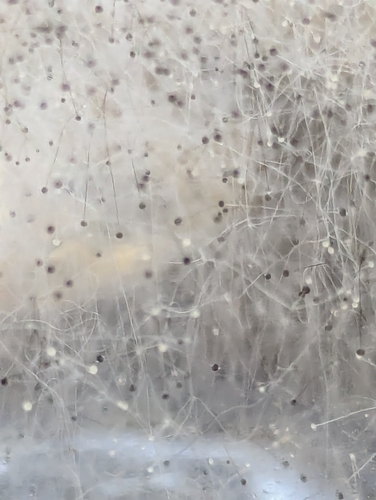
Actinomucor elegans
(Eidam) C. R. Benj. & Hesselt.
Sufu mould

Wikimedia Commons - Actinomucor_elegans_1.jpg

Wikimedia Commons - zygolife
What to Eat
Edible parts: Mould, Fungus
This mould is used in the commercial manufacture of sufu. It is also used by inoculating fresh soybean curd to produce pehtze.
Where to Find It
It is a temperate and tropical plant.
Asia, Taiwan, Worldwide,
How to Identify
A mould in the Mucoraceae family found in temperate and tropical regions, used in the commercial production of fermented soy products.
Wikipedia
Source ↗Actinomucor elegans was originally described by Schostakowitsch in Siberia in 1898 and reevaluated by Benjamin and Hesseltine in 1957. Commonly found in soil and used for the commercial production of fermented tofu and other products made by soy fermentation. Its major identifying features are its spine-like projections on the sporangiophore and its ribbon-like hyphal structure when found in the tissue of a host.
Names & Synonyms
References (1)
- Facciola, S., 1998, Cornucopia 2: a Source Book of Edible Plants. Kampong Publications, p 252