Vitis labrusca x Vitis vinifera
L., L.,
Hybrid grape, Uva, Uva-hibrida, Pu tao, Waina

(c) Sara Rall, some rights reserved (CC BY-NC), uploaded by Sara Rall
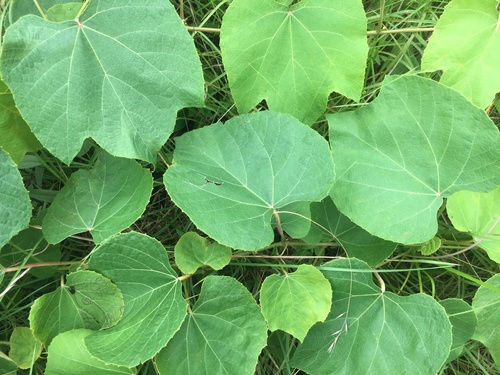
(c) Theo Witsell, some rights reserved (CC BY-NC), uploaded by Theo Witsell
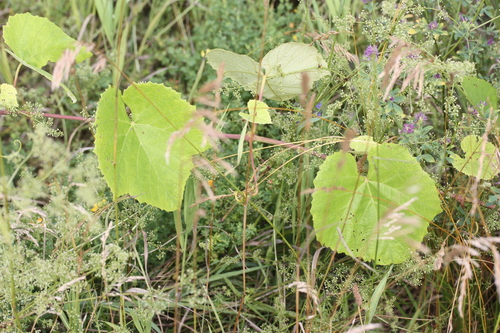
(c) Gwyneth Govers, some rights reserved (CC BY-NC), uploaded by Gwyneth Govers
What to Eat
Edible parts: Fruit
The fruit are eaten fresh or made into wine.
Dangerous Lookalikes
This plant can be confused with the following toxic species. Always verify identification carefully before consuming any wild plant.


Canadian Moonseed: No tendrils, single crescent/moon-shaped seed, leaf stem attaches to underside of leaf.
Hybrid grape: Vine with tendrils, round seeds, leaf stem at edge of leaf, bark that peels.
Where to Find It
It is a tropical plant.
Brazil, Hawaii, Pacific, South America, USA,
How to Identify
A climbing plant. It is robust and woody. It loses its leaves in the winter. The leaves are variable. They are leathery and rough on top. The leaves are 14-28 cm long. The male and female flowers are in the same group. The fruit are round and thin skinned. They are sweet and juicy.
How to Grow
Plants are grown by grafting.
Wikipedia
Source ↗Vitis labrusca, the fox grape, is a species of grapevines belonging to the Vitis genus in the flowering plant family Vitaceae. The vines are native to eastern North America and are the source of many grape cultivars, including Catawba, Concord, Delaware, Isabella, Niagara, and many hybrid grape varieties such as Agawam, Alexander and Onaka. Among the characteristics of this vine species in contrast to the European wine grape Vitis vinifera are its "slip-skin" that allows the skin of the grape berries to easily slip off when squeezed, instead of crushing the pulp, and the presence of tendrils on every node of the cane. Vitis labrusca also tends to have strong resistance to mildews and phylloxera. Another contrast with European V. vinifera are unique flavors, best known to most people through the Concord grape. The term "foxy" became a sort of catchall for the wine tasting descriptors used for these American wines that were distinct from the familiar flavors of the European viniferous wines. These flavors have been described as strawberry, raspberry, cotton candy, and "grapey" (because Americans associate these flavors with popular grape juices, candies, jellies and jams, sodas, and more made with Concord grapes). Occasionally, depending on the winemaking, V. labrusca grapes can impart a musky flavor to wine, which some find intriguing while others dislike, but this can be mitigated or increased by winegrowing and winemaking practices. Vitis labrusca is in the parentage of the world's most planted grape variety, Kyoho.
Names & Synonyms
References (2)
- Lorenzi, H., Bacher, L., Lacerda, M. & Sartori, S., 2006, Brazilian Fruits & Cultivated Exotics. Sao Paulo, Instituto Plantarum de Estuados da Flora Ltda. p 630
- Staples, G.W. and Herbst, D.R., 2005, A tropical Garden Flora. Bishop Museum Press, Honolulu, Hawaii. p 574 (Drawing)


