Combretum comosum
G. Don
CombretaceaeFlowers
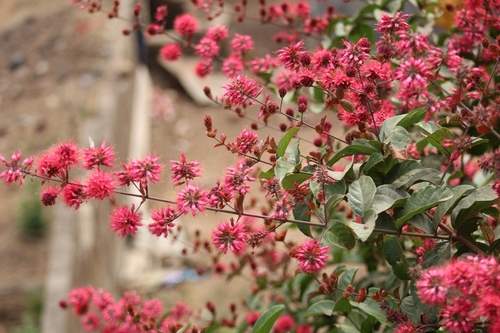
iNaturalist · cc-by
(c) Viken, some rights reserved (CC BY), uploaded by Viken
(c) Viken, some rights reserved (CC BY), uploaded by Viken
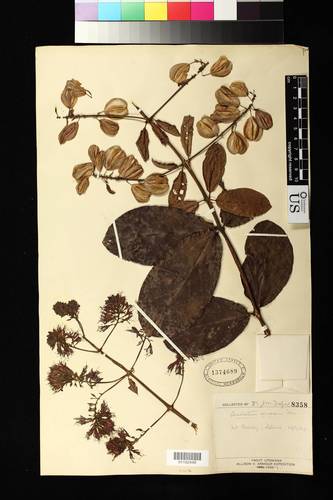
iNaturalist · cc-by-nc-sa
(c) Smithsonian Institution, National Museum of Natural History, Department of Botany, some rights reserved (CC BY-NC-SA)
(c) Smithsonian Institution, National Museum of Natural History, Department of Botany, some rights reserved (CC BY-NC-SA)
What to Eat
Edible parts: Nectar
The nectar of the flowers is sucked and eaten.
Where to Find It
It is a tropical plant. It grows in evergreen forest.
Africa, Cameroon, Central Africa, Côte d'Ivoire, Gambia, Ghana, Ivory Coast, Liberia, Senegal, Sierra Leone, Sudan, West Africa,
Countries: Angola, Burkina Faso, Burundi, Benin, Botswana, Congo (DRC), Central African Republic, Congo (Republic), Cote d'Ivoire, Cameroon, Cape Verde, Djibouti, Algeria, Egypt, Eritrea, Ethiopia, Gabon, Ghana, Gambia, Guinea, Equatorial Guinea, Guinea-Bissau, Kenya, Comoros, Liberia, Lesotho, Libya, Morocco, Madagascar, Mali, Mauritania, Mauritius, Malawi, Mozambique, Namibia, Niger, Nigeria, Rwanda, Seychelles, Sudan, Sierra Leone, Senegal, Somalia, South Sudan, Sao Tome & Principe, Eswatini, Chad, Togo, Tunisia, Tanzania, Uganda, South Africa, Zambia, Zimbabwe
How to Identify
A scrambling shrub or creeper in the Combretaceae family, found in tropical evergreen forests. The plant produces flowers with nectar that is traditionally consumed, especially by children.
Other Information
It is eaten especially by children.
Names & Synonyms
Chimbule, Eveleni, Kindingdolo, Wundindi
Combretum intermedium G. Don
References (2)
- Dalziel, J. M., 1937, The Useful plants of west tropical Africa. Crown Agents for the Colonies London.
- Peters, C. R., O'Brien, E. M., and Drummond, R.B., 1992, Edible Wild plants of Sub-saharan Africa. Kew. p 85


