Miconia splendens
(Sw.) Griseb.
Shining maya
MelastomataceaeFruit
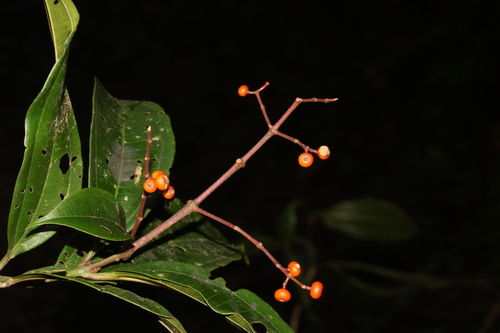
iNaturalist · cc-by-nc
(c) humbertomendozacifuentes, some rights reserved (CC BY-NC)
(c) humbertomendozacifuentes, some rights reserved (CC BY-NC)
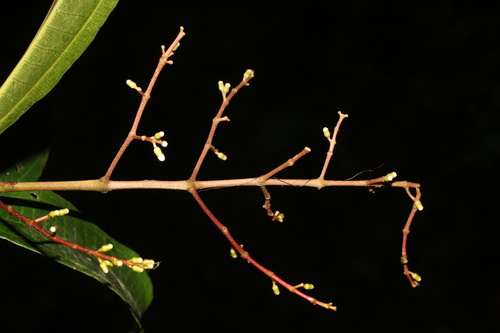
iNaturalist · cc-by-nc
(c) humbertomendozacifuentes, some rights reserved (CC BY-NC)
(c) humbertomendozacifuentes, some rights reserved (CC BY-NC)
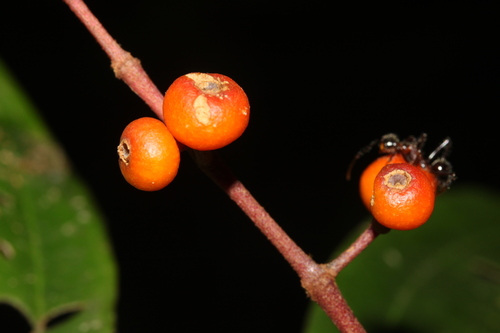
iNaturalist · cc-by-nc
(c) humbertomendozacifuentes, some rights reserved (CC BY-NC)
(c) humbertomendozacifuentes, some rights reserved (CC BY-NC)
What to Eat
Edible parts: Fruit
Where to Find It
It is a tropical plant
Belize, Bolivia, Brazil, Central America, Colombia, Costa Rica, Cuba, Ecuador, El Salvador, French Guiana, Guatemala, Guianas, Guyana, Haiti, Honduras, Jamaica, Mexico, Nicaragua, Panama, Peru, Puerto Rico, South America, Suriname, Trinidad-Tobago, Venezuela, West Indies,
Countries: Antigua & Barbuda, Argentina, Barbados, Bolivia, Brazil, Bahamas, Belize, Chile, Colombia, Costa Rica, Cuba, Dominica, Dominican Republic, Ecuador, Grenada, French Guiana, Guatemala, Guyana, Honduras, Haiti, Jamaica, St Kitts & Nevis, St Lucia, Mexico, Nicaragua, Panama, Peru, Puerto Rico, Paraguay, Suriname, El Salvador, Trinidad & Tobago, Uruguay, St Vincent, Venezuela
How to Identify
A tropical tree in the Melastomataceae family with edible fruit.
Names & Synonyms
Rifari blanco, Rifarillo, Sangre de vaca
Melastoma splendens Sw.Miconia elliptica Macfad.Miconia obovalis Naudinand others
References (5)
- Grandtner, M. M., 2008, World Dictionary of Trees. Wood and Forest Science Department. Laval University, Quebec, Qc Canada. (Internet database http://www.wdt.qc.ca)
- Grandtner, M. M. & Chevrette, J., 2013, Dictionary of Trees, Volume 2: South America: Nomenclature, Taxonomy and Ecology. Academic Press p 409
- Kermath, B. M., et al, 2014, Food Plants in the Americas: A survey of the domesticated, cultivated and wild plants used for Human food in North, Central and South America and the Caribbean. On line draft. p 535
- Kew Plants of the World On line
- Roa, J. A. G. & Boada, D. S. G., 2018, Fundación para el Fortalecimiento de la Fruticultura y Plantas Alimenticias no Convencionales en Colombia.


