Salix discolor
Muhl.
Pussy willow, Diamond-willow

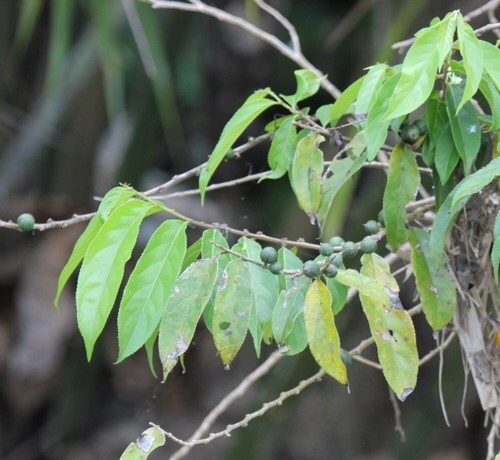
(c) Jackson Nesbit, some rights reserved (CC BY-NC), uploaded by Jackson Nesbit

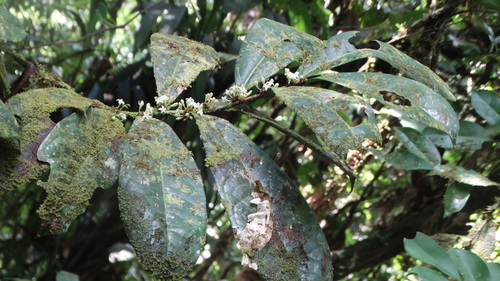
(c) Misha Zitser, some rights reserved (CC BY-NC), uploaded by Misha Zitser
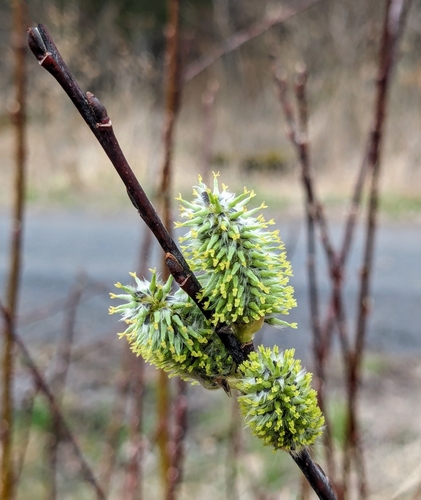
(c) Callicladium, some rights reserved (CC BY-NC), uploaded by Callicladium
What to Eat
Edible parts: Leaves, Buds, Bark
The leaves, buds, and bark are edible.
Where to Find It
It is a temperate plant. It grows in moist areas.
Australia, Canada, North America, USA,
How to Identify
A shrub or tree. It grows 2-6 m tall. The leaves are 14 cm long and narrowly oval.
Wikipedia
Source ↗Salix discolor, the American pussy willow or glaucous willow, is a species of willow native to North America, one of two species commonly called pussy willow. It is native to the vast reaches of Alaska as well as the northern forests and wetlands of Canada (British Columbia east to Newfoundland), and is also found in the northern portions of the contiguous United States (Washington east to Maine, and south to Maryland). It is a weak-wooded deciduous shrub or small tree growing to 6 m (20 ft) tall, with brown shoots. The leaves are oval, 3–14 cm long and 1–3.5 cm broad, green above and downy grey-white beneath. The flowers are soft silky silvery catkins, borne in early spring before the new leaves appear, with the male and female catkins on different plants (dioecious); the male catkins mature yellow at pollen release. The fruit is a small capsule 7–12 mm long containing numerous minute seeds embedded in cottony down.
References (2)
- Grandtner, M. M., 2008, World Dictionary of Trees. Wood and Forest Science Department. Laval University, Quebec, Qc Canada. (Internet database http://www.wdt.qc.ca)
- MacKinnon, A., et al, 2009, Edible & Medicinal Plants of Canada. Lone Pine. p 152