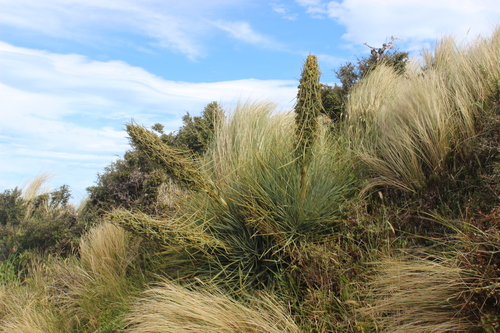
Smyrnium connatum
Boiss. et Kotschy
Yellow alexanders

iNaturalist · cc-by-nc
(c) Mehmet Çelik, some rights reserved (CC BY-NC), uploaded by Mehmet Çelik
(c) Mehmet Çelik, some rights reserved (CC BY-NC), uploaded by Mehmet Çelik

iNaturalist · cc-by-nc
(c) Rafi Amar, some rights reserved (CC BY-NC)
(c) Rafi Amar, some rights reserved (CC BY-NC)

iNaturalist · cc-by-nc
(c) Rafi Amar, some rights reserved (CC BY-NC)
(c) Rafi Amar, some rights reserved (CC BY-NC)
What to Eat
Edible parts: Leaves, Roots, Stem
The leaves are cooked and the leaf stalks are eaten raw; both are also added to pickles. The roots are eaten fresh or grilled.
Where to Find It
It is a temperate plant.
Europe, Turkey, Türkiye,
Countries: Andorra, Albania, Austria, Bosnia & Herzegovina, Belgium, Bulgaria, Belarus, Switzerland, Cyprus, Czechia, Germany, Denmark, Estonia, Spain, Finland, France, United Kingdom, Greece, Croatia, Hungary, Ireland, Iceland, Italy, Liechtenstein, Lithuania, Luxembourg, Latvia, Monaco, Moldova, Montenegro, North Macedonia, Malta, Netherlands, Norway, Poland, Portugal, Romania, Serbia, Russia, Sweden, Slovenia, Slovakia, San Marino, Turkey, Ukraine
How to Identify
A temperate herb of the Apiaceae family with edible leaves, stems, and roots.
Names & Synonyms
Baldiran, Sarokorek
References (5)
- Dogan, A., et al, 2014, A review of edible plants on the Turkish Apiaceae species. J. Fac. Pharm. Istanbul, 44(2) pp 251-262
- Dogan, Y., 2012, Traditionally used wild edible greens in the Aegean Region of Turkey. Acta Societatis Botanicorum Poloniae 81(4): 329-342
- Ertug, F., 2004, Wild Edible Plants of the Bodrum Area. (Mugla, Turkey). Turk. J. Bot. 28 (2004): 161-174
- Ertug, F, Yenen Bitkiler. Resimli Türkiye Florası -I- Flora of Turkey - Ethnobotany supplement
- Gunes, S. et al, 2018, Survey of wild food plants for human consumption in Karaisali (Adana-Turkey). Indian Journal of Traditional Knowledge. Vol. 17(2), April 2018, pp 290-298