Saurauia aspera
Turcz.
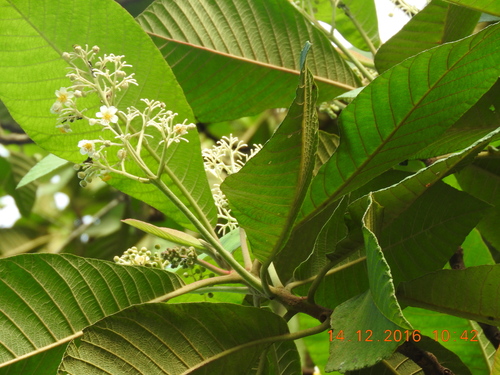
(c) J Alejandro Rios Solis, some rights reserved (CC BY-NC), uploaded by J Alejandro Rios Solis
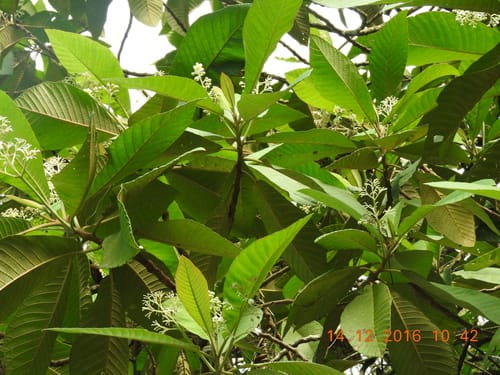
(c) J Alejandro Rios Solis, some rights reserved (CC BY-NC)
What to Eat
Edible parts: Fruit
Fruit - raw or cooked. Very sweet and mucilaginous. The fruits can be dried for later use. The globose berries are 6 - 8mm in diameter.
Where to Find It
It is a tropical plant. It grows in dense forests and along rivers. It grows between 20-2,000 m above sea level. It is best in a sunny position. It can just grow in the cloud forests.
Central America, Guatemala, Honduras, Mexico*, Nicaragua, North America, South America,
How to Identify
A small tree. It grows 15 m tall. The crown is wide-spreading. The trunk can be 25 cm across. The fruit are 6-8 mm across.
How to Grow
A plant of low to moderate elevations in the moist tropics, where it can be found at elevations up to 2,000 metres. Prefers a sunny position.
Medicinal Uses
A decoction of the fruit is rich in mucilage and makes an effective emollient. It is used in the treatment of coughs, colds and throat irritations.
Other Uses
The white wood is soft and coarse. We have no more information on the wood of this species, but the following is a general description of the wood from species in this genus. The wood is little used, except locally for fuel. It is a pale reddish brown throughout; not attractive; lustre rather low; odourless and tasteless; rather light, but firm, tough, and strong; texture medium; grain straight; easy to cut, saws finely woolly, is rather hairy under the plane; probably not durable. Useful locally for general carpentry and interior construction.
Other Information
It is a cultivated fruit tree.
Notes
Also in family Saurauiaceae.
Names & Synonyms
Chilca, Chilidron, Ma-do-chay, Ma-do-tza, Mameyito, Palo de moca, Pipicho, Shka-ya-no, Taga-tzego
References (6)
- Fern, K., 2012, Tropical Species Database http://theferns.info/tropical/
- Fouqué, A. 1972. Espèces fruitières d'Amérique tropicale. Institut français de recherches fruitierès outre-mer
- Gonzalez-Espinosa, M. et al, 2011, The Red List of Mexican Cloud Forest Trees. Flora and Fauna International, Cambridge. p 13
- Kermath, B. M., et al, 2014, Food Plants in the Americas: A survey of the domesticated, cultivated and wild plants used for Human food in North, Central and South America and the Caribbean. On line draft. p 786
- Lentz, D. L., 1993, Medicinal and Other Economic Plants of the Paya of Honduras. Economic Botany, Vol. 47, No. 4, pp. 358-370
- Segura, S. et al, 2018, The edible fruit species in Mexico. Genet Resour Crop Evol (2018) 65:1767–1793


