Acer interius
Britton
Box elder
(c) sequoiaak, some rights reserved (CC BY-NC)

(c) thisislissa, some rights reserved (CC BY-NC)

(c) thisislissa, some rights reserved (CC BY-NC)
What to Eat
Edible parts: Sap - sweetener
The sap contains sugar and can be drunk fresh or boiled down into a syrup used as a sweetener on many foods, though the sugar concentration is considerably lower than in sugar maples (A. saccharum). The trunk is tapped in early spring, with the best flow on warm sunny days following a frost; cold-winter areas with continental climates produce the best yields.
Where to Find It
It is a temperate plant. It needs well drained soil. It is best in moist soil. It can grow in light shade.
North America, USA,
How to Identify
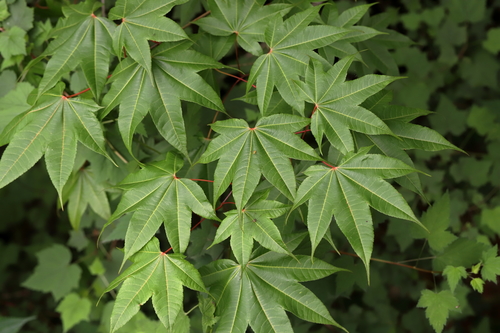
A shrub or small tree. It grows 5 m tall. There are prickles along the stem. The leaves are twice divided and there are 8-18 pairs of pinnae. There are up to 50 pairs of pinnules on each pinnae. The flowers are yellow. They are in large clusters at the ends of branches. The pods are flattened.
How to Grow
We have very little information on this species, though judging by its native range it should be hardy in many parts of Britain. It is closely related to A. negundo and, like that species, is probably dioecious. Some authorities see this plant as no more than a sub-species of A. negundo. The following notes are based on the general needs of the genus. Of easy cultivation, it prefers a good moist well-drained soil, preferring a sunny position but tolerating some shade. Grows well in heavy clay soils. Chlorosis can sometimes develop as a result of iron deficiency when the plants are grown in alkaline soils, but in general maples are not fussy as to soil pH. Most maples are bad companion plants, inhibiting the growth of nearby plants.
Propagation: Sow seed as soon as ripe in a cold frame; germination typically occurs the following spring. Stored seed should be pre-soaked for 24 hours, then stratified for 2–4 months at 1–8°C. Germination can be slow. Seed can also be harvested green — fully developed but before drying and germination inhibitors form — and sown immediately for late-winter germination. Seed harvested too early produces very weak or no plants. Prick seedlings into individual pots once large enough to handle and grow on to 20cm or more before planting out permanently. Layering is successful with most species in this genus and takes about 12 months. Take cuttings of young shoots in June or July with 2–3 pairs of leaves plus one pair of buds at the base; remove a thin slice of bark at the base and use a rooting hormone for best results. Rooted cuttings must show new growth during summer before potting, otherwise they are unlikely to survive winter. Cuttings of this species usually root easily. Budding onto A. negundo in early summer is generally successful; the bud should develop a small shoot during summer, otherwise it is unlikely to survive winter.
Medicinal Uses
None known.
Other Uses
Leaves packed around apples, root crops, and similar produce help preserve them. The wood is soft and weak, weighing about 27lb per cubic foot.
Wikipedia
A deciduous tree reaching 20m tall with dioecious flowers (separate male and female plants required for seed) appearing in April. Not self-fertile. Tolerates light sandy, medium loamy, and heavy clay soils with preference for drainage; adapts to mildly acid through basic pH. Grows in semi-shade woodland or full sun, preferring moist soil.
Production
The sap flow is better on warm sunny days after a frost.
Notes
There are about 120-150 Acer species.
Names & Synonyms
References (2)
- Beckstrom-Sternberg, Stephen M., and James A. Duke. "The Foodplant Database." http://probe.nalusda.gov:8300/cgi-bin/browse/foodplantdb.(ACEDB version 4.0 - data version July 1994)
- N. L. Britton & J. A. Shafer, N. Amer. trees 655, fig. 608. 1908 "interior"