Ribes cucullatum
Hooker & Arn.
Parrilla
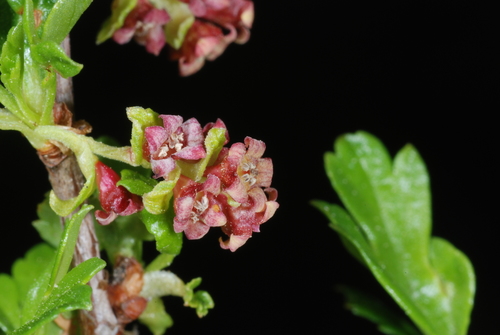
(c) aacocucci, some rights reserved (CC BY), uploaded by aacocucci
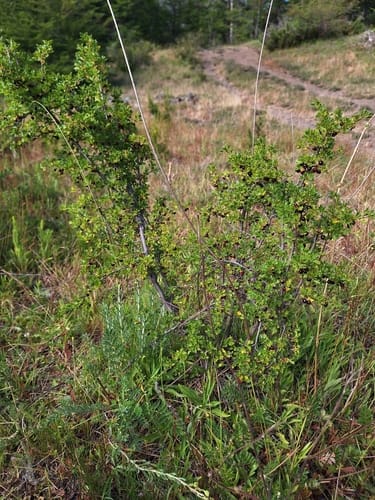
(c) Simón Pla García, some rights reserved (CC BY-NC)

(c) Pablo Fraire, some rights reserved (CC BY-NC), uploaded by Pablo Fraire
What to Eat
Edible parts: Fruit
The fruit are eaten raw or cooked to make jelly.
Where to Find It
It is a temperate plant. It grows in Subantarctic forest and Patagonian steppe near rivers in Argentina. In Chile it grows between 500-2,000 m altitude. In Argentina it grows from sea level to 3,000 m above sea level. It grows near water along streams and lakes. It is best in humid and constant rainfall areas and can tolerate short dry periods. It can grow in light shade. It suits hardiness zone 7. It can tolerate frost and snow.
Argentina*, Chile*, South America,
How to Identify
A shrub. It grows 1 m high. The leaves have 3 lobes. The flowers are red. They have 5 petals. The fruit are round and black. They are 5-6 mm across.
Names & Synonyms
Parrilla de hojas chicas, Parillita, Zarzaparilla
References (9)
- Chamorro, M. F., & Ladio, A., 2020, Native and exotic plants with edible fleshy fruits utilized in Patagonia and their role as sources of local functional foods. BMC Complementary Medicine and Therapies. 20:155
- Cordero, S. E., Abello, L. A., & Galvez, F. L., 2017, Plantas silvestres comestibles y medicinales de Chile y otras partes del mundo. CORMA p 107
- Ladio, A. H., 2001, The Maintenance of Wild Edible Plant Gatherings in a Mapuche Community of Patagonia. Economic Botany, Vol. 55, No. 2, pp. 243-254
- Ladio, A. H. and Lozada, M., 2004, Patterns of use and knowledge of wild edible plants in distinct ecological environments: a case study of a Mapuche community from northwestern Patagonia. Biodiversity and Conservation 13:1153-1173
- Ladio, A., Lozada, M. & M. Weigandt, 2007, Comparison of traditional wild plant knowledge between aboriginal communities inhabiting arid and forest environments in Patagonia, Argentina. Journal of Arid Environments 69 (2007) 695–715
- Leon-Lobos, P., et al, 2022, Patterns of Traditional and Modern Uses of Wild Edible Native Plants of Chile: Challenges and Future Perspectives. Plants (Basel) v 11 (6) Table S1
- Rapoport, E. H. & Ladio, A. H., 1999, Plantas comestibles. Bosque Volume 20 No. 2. ISSN 0314-8799
- Velasquez, P. & Montenegro, G., 2017, Chilean Endemic/Native Plant Resources as Functional and Superfoods. Chp. 6 in Superfood and Functional Food - An Overview of Their Processing and Utilization
- www.chileflora.com
More from Grossulariaceae


