Burnatia enneandra
M. Micheli
AlismataceaeRoots

iNaturalist · cc-by-nc
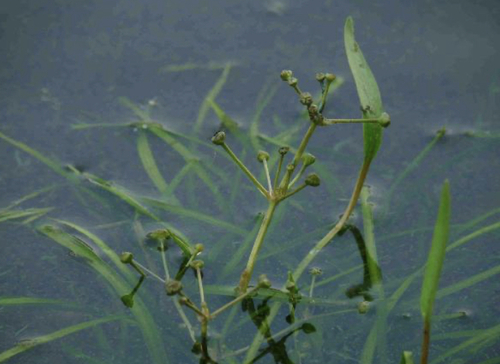
(c) Bart Wursten, some rights reserved (CC BY-NC), uploaded by Bart Wursten
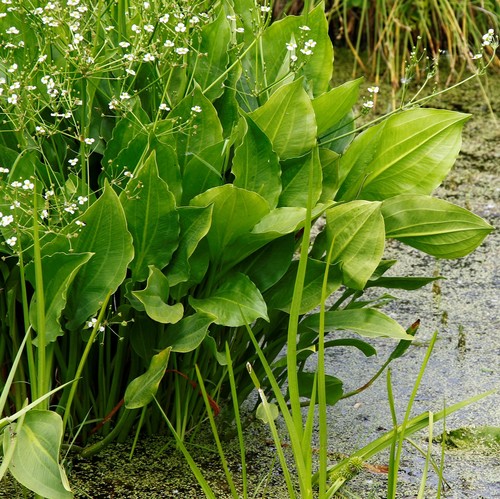
(c) Bart Wursten, some rights reserved (CC BY-NC), uploaded by Bart Wursten
What to Eat
Edible parts: Tuber, Root
The tubers and roots are edible and used as a famine food.
Where to Find It
A tropical plant. It occurs in arid region. It is an aquatic plant growing in seasonal pools. It grows on the edges of muddy pools.
Africa, Botswana, Burkina Faso, Cameroon, Central Africa, Congo, East Africa, Ethiopia, Kenya, Mozambique, Uganda,
Countries: Angola, Burkina Faso, Burundi, Benin, Botswana, Congo (DRC), Central African Republic, Congo (Republic), Cote d'Ivoire, Cameroon, Cape Verde, Djibouti, Algeria, Egypt, Eritrea, Ethiopia, Gabon, Ghana, Gambia, Guinea, Equatorial Guinea, Guinea-Bissau, Kenya, Comoros, Liberia, Lesotho, Libya, Morocco, Madagascar, Mali, Mauritania, Mauritius, Malawi, Mozambique, Namibia, Niger, Nigeria, Rwanda, Seychelles, Sudan, Sierra Leone, Senegal, Somalia, South Sudan, Sao Tome & Principe, Eswatini, Chad, Togo, Tunisia, Tanzania, Uganda, South Africa, Zambia, Zimbabwe
How to Identify
A herb that grow in water. It has rhizomes or underground stems. There can also be corms 1 cm across. It grows from these and grows 60 cm high.
Other Information
It is a famine food.
Notes
There are 3 Burnatia species.
Names & Synonyms
Maefua, Nkorom
References (11)
- A. L. P. P. de Candolle & A. C. de Candolle, Monogr. phan. 3:81. 1881
- Burkill, H. M., 1985, The useful plants of west tropical Africa, Vol. 3. Kew.
- Gallagher, D. E., 2010, Farming beyond the escarpment: Society, Environment, and Mobility in Precolonial Southeastern Burkina Faso. PhD University of Michigan.
- Glew, R. H., et al, 2010, The Amino Acid, Mineral and Fatty Acid Content of Three Species of Human Plant Foods in Cameroon. Food 4(1):1-6
- Goode, P., 1989, Edible Plants of Uganda. FAO p 30
- Herb, E. A., 1981,
- KABUYE
- Lulekal, E., et al, 2011, Wild edible plants in Ethiopia: a review on their potential to combat food insecurity. Afrika focus — Volume 24, Nr. 2, 2011 — pp. 71-121
- Malaisse, F., 1997, Se nourrir en floret claire africaine. Approche ecologique et nutritionnelle. CTA., p 91.
- Mutie, F. M., et al, 2023, Important Medicinal and Food Taxa (Orders and Families) in Kenya, Based on Three Quantitative Approaches. Plants 2023, 12, 1145
- Peters, C. R., O'Brien, E. M., and Drummond, R.B., 1992, Edible Wild plants of Sub-saharan Africa. Kew. p 8