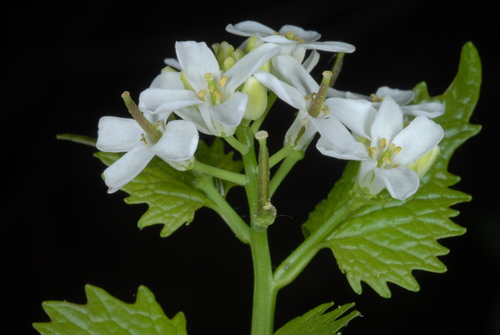
Diplotaxis harra
(Forssk.) Boiss.
Hara
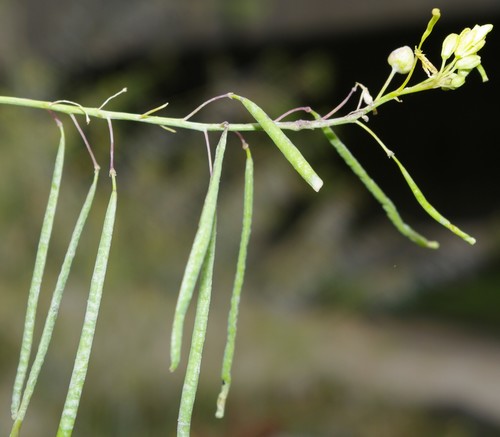
iNaturalist · cc-by-nc
(c) Rebbas, some rights reserved (CC BY-NC), uploaded by Rebbas
(c) Rebbas, some rights reserved (CC BY-NC), uploaded by Rebbas
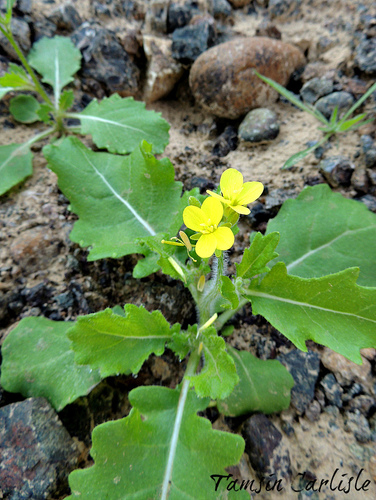
iNaturalist · cc-by-nc-sa
(c) Tamsin Carlisle, some rights reserved (CC BY-NC-SA)
(c) Tamsin Carlisle, some rights reserved (CC BY-NC-SA)
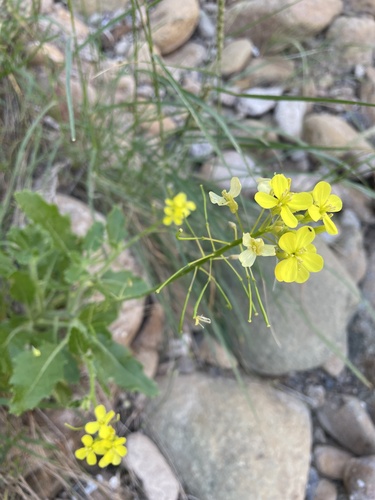
iNaturalist · cc-by-nc
(c) asalsaidi, some rights reserved (CC BY-NC)
(c) asalsaidi, some rights reserved (CC BY-NC)
What to Eat
Edible parts: Flowers, Leaves, Seeds, Spice
The leaves are cooked to prepare special sauces. The seeds are used as a spice. Flowers, leaves, and seeds are all edible.
Where to Find It
It is a Mediterranean plant. It grows in the Sahara and arid regions.
Africa, Algeria, Asia, Egypt - Sinai, Iran, Iraq, Israel, Italy, Jordan, Kuwait, Mediterranean, Middle East, Morocco, North Africa, Pakistan, Sahara, Sicily, Sinai, Syria, Tunisia,
Countries: United Arab Emirates, Afghanistan, Albania, Armenia, Angola, Azerbaijan, Bosnia & Herzegovina, Bangladesh, Burkina Faso, Bahrain, Burundi, Benin, Brunei, Bhutan, Botswana, Congo (DRC), Central African Republic, Congo (Republic), Cote d'Ivoire, Cameroon, China, Cape Verde, Cyprus, Djibouti, Algeria, Egypt, Eritrea, Spain, Ethiopia, France, Gabon, Georgia, Ghana, Gambia, Guinea, Equatorial Guinea, Greece, Guinea-Bissau, Croatia, Indonesia, Israel, India, Iraq, Iran, Italy, Jordan, Japan, Kenya, Kyrgyzstan, Cambodia, Comoros, North Korea, South Korea, Kuwait, Kazakhstan, Laos, Lebanon, Sri Lanka, Liberia, Lesotho, Libya, Morocco, Monaco, Montenegro, Madagascar, Mali, Myanmar, Mongolia, Mauritania, Malta, Mauritius, Maldives, Malawi, Malaysia, Mozambique, Namibia, Niger, Nigeria, Nepal, Oman, Philippines, Pakistan, Qatar, Rwanda, Saudi Arabia, Seychelles, Sudan, Singapore, Slovenia, Sierra Leone, Senegal, Somalia, South Sudan, Sao Tome & Principe, Syria, Eswatini, Chad, Togo, Thailand, Tajikistan, Timor-Leste, Turkmenistan, Tunisia, Turkey, Taiwan, Tanzania, Uganda, Uzbekistan, Vietnam, Yemen, South Africa, Zambia, Zimbabwe
How to Identify
An annual cabbage family herb. It grows 20-60 cm tall. The leaves are broadly oval. The flowers are yellow.
Names & Synonyms
Cheryat, Harra, Lharra
Diplotaxis harra var. brevisiliquosa O. E. SchulzDiplotaxis harra var. harraDiplotaxis harra subsp. harraDiplotaxis harra var. minor O. E. SchulzDiplotaxis harra subsp. numidica O. Bolòs & VigoDiplotaxis harra var. subglabra (DC.) O.E. SchulzDiplotaxis hispida var. subglabra DC.Diplotaxis nana Boiss. ex T. AndersonDiplotaxis pendula (Desf.) DC.Pendulina harra (Forssk.) Willk.Sinapidendron vogelii WebbSinapis harra Forssk.Sisymbrium aegyptium Juss. ex DC.Sisymbrium harra Steud.
References (10)
- Bailey, C. and Danin, A., 1981, Bedouin Plant Utilization in Sinai and the Negev. Economic Botany 35(2): 145-162
- Ben Ismail, H., 2013, Edible Wild Vegetables Used in North West of Tunisia. PARIPEX - Indian Journal of Reearch 2(9) :219-221
- Dop, M. C., et al, 2019, Identification and frequency of consumption of wild edible plants over a year in central Tunisia: a mixed-methods approach. Public Health Nutrition: 23(5), 782–794
- Jardin, C., 1970, List of Foods Used In Africa, FAO Nutrition Information Document Series No 2.p 75 (As Diplotaxis pendula)
- Licata, M., et al, 2016, A survey of wild plant species for food use in Sicily (Italy) – results of a 3-year study in four Regional Parks. Journal of Ethnobiology and Ethnomedicine 12:12
- Martin, F.W. & Ruberte, R.M., 1979, Edible Leaves of the Tropics. Antillian College Press, Mayaguez, Puerto Rico. p 188 As Diplotaxis pendula)
- Middleditch, B. S., 1991, Kuwaiti Plants: Distribution, Traditional Medicine, Phytochemistry, Pharmacology and Economic Value. Studies in Plant Science, 2. Elsevier p 28 As Diplotaxis pendula)
- Nassif, F., & Tanji, A., 2013, Gathered food plants in Morocco: The long forgotten species in Ethnobotanical Research. Life Science Leaflets 3:17-54
- Oran, S. A. S., 2015, Selected Wild Aromatic Plants in Jordan. International Journal of Medicinal Plants. Photon 108 (2015) 686-699
- Rivera, D. et al, 2006, Gathered Mediterranean Food Plants - Ethnobotanical Investigations and Historical Development, in Heinrich M, Müller WE, Galli C (eds): Local Mediterranean Food Plants and Nutraceuticals. Forum Nutr. Basel, Karger, 2006, vol 59, pp 18–74