Hordeum secalinum
Schreb.
PoaceaeSeeds/Nuts

iNaturalist · cc-by
(c) Barry Walter, some rights reserved (CC BY), uploaded by Barry Walter
(c) Barry Walter, some rights reserved (CC BY), uploaded by Barry Walter
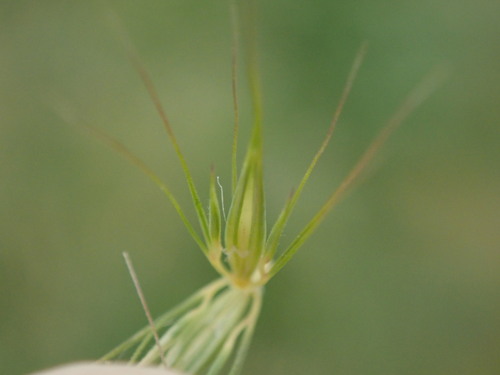
iNaturalist · cc-by
(c) Daniel Cahen, some rights reserved (CC BY), uploaded by Daniel Cahen
(c) Daniel Cahen, some rights reserved (CC BY), uploaded by Daniel Cahen
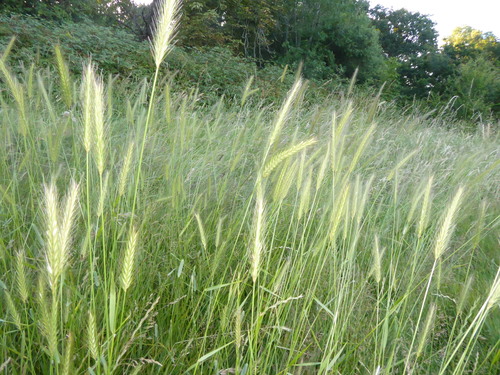
iNaturalist · cc-by
(c) jamie-aa, some rights reserved (CC BY), uploaded by jamie-aa
(c) jamie-aa, some rights reserved (CC BY), uploaded by jamie-aa
What to Eat
Edible parts: Seeds
The seeds are edible.
Where to Find It
It is a temperate plant.
Europe, Luxembourg, Russia, Siberia,
Countries: Andorra, Albania, Austria, Bosnia & Herzegovina, Belgium, Bulgaria, Belarus, Switzerland, Cyprus, Czechia, Germany, Denmark, Estonia, Spain, Finland, France, United Kingdom, Greece, Croatia, Hungary, Ireland, Iceland, Italy, Liechtenstein, Lithuania, Luxembourg, Latvia, Monaco, Moldova, Montenegro, North Macedonia, Malta, Netherlands, Norway, Poland, Portugal, Romania, Serbia, Russia, Sweden, Slovenia, Slovakia, San Marino, Ukraine
How to Identify
A temperate grass species with edible seeds.
Wikipedia
Source ↗Hordeum secalinum, false rye barley or meadow barley (a name it shares with Hordeum brachyantherum), is a species of wild barley native to Europe, including the Madeiras, Crimea and the north Caucasus, northwest Africa, and the Levant. It has been introduced to Australia and New Zealand. An allotetraploid, it arose from ancestors with the Xa and I Hordeum genomes.
References (1)
- Crate, S. A., 2008, "Eating Hay": The Ecology, Economy and Culture of Viliui Sakha Smallholders of Northeastern Siberia. Human Ecology 36:161-174 (As Hordeum pratense)


