Leymus secalinus
(Georgi) Tzvelev
PoaceaeSeeds/Nuts
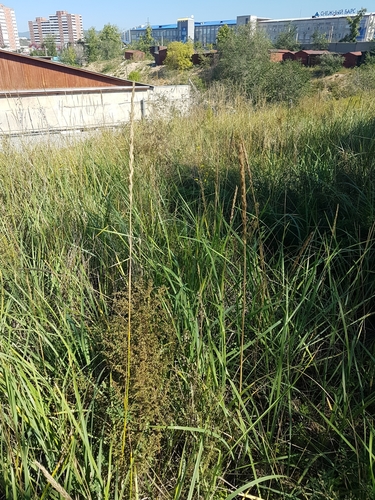
iNaturalist · cc-by-nc
(c) Daba, some rights reserved (CC BY-NC), uploaded by Daba
(c) Daba, some rights reserved (CC BY-NC), uploaded by Daba

iNaturalist · cc-by-nc
(c) Alla Verkhozina, some rights reserved (CC BY-NC)
(c) Alla Verkhozina, some rights reserved (CC BY-NC)

iNaturalist · cc-by-nc
(c) Alla Verkhozina, some rights reserved (CC BY-NC)
(c) Alla Verkhozina, some rights reserved (CC BY-NC)
What to Eat
Edible parts: Seeds
The seeds are eaten.
Where to Find It
It is a temperate plant. It grows in mountain slopes and in stony and alkaline soils between 2,900-4,300 m above sea level. In Sichuan.
Asia, Central Asia, China, India, Japan, Korea, Kazakhstan, Kyrgyzstan, Mongolia, Russia, Siberia, Tajikistan, Tibet, Turkmenistan, Uzbekistan,
Countries: United Arab Emirates, Afghanistan, Armenia, Azerbaijan, Bangladesh, Bahrain, Brunei, Bhutan, China, Georgia, Indonesia, Israel, India, Iraq, Iran, Jordan, Japan, Kyrgyzstan, Cambodia, North Korea, South Korea, Kuwait, Kazakhstan, Laos, Lebanon, Sri Lanka, Myanmar, Mongolia, Maldives, Malaysia, Nepal, Oman, Philippines, Pakistan, Qatar, Russia, Saudi Arabia, Singapore, Syria, Thailand, Tajikistan, Timor-Leste, Turkmenistan, Turkey, Taiwan, Uzbekistan, Vietnam, Yemen
How to Identify
A grass. It keeps growing from year to year. It can be in tufts. It grow 18-100 cm tall. The leaf blade can be flat or rolled. It is 8-30 cm long by 4-7 mm wide.
Names & Synonyms
Elymus dasystachys Trin. ex Ledeb.and others
References (2)
- Crate, S. A., 2008, "Eating Hay": The Ecology, Economy and Culture of Viliui Sakha Smallholders of Northeastern Siberia. Human Ecology 36:161-174 (As Elymus dasystachys)
- World Checklist of Useful Plant Species 2020. Royal Botanic Gardens, Kew


