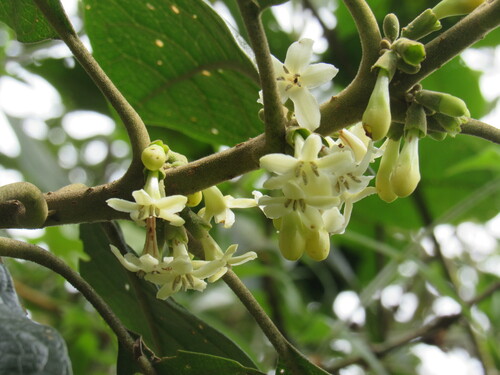
Satureja subspicata
Bartl. ex Vis.
Vrikesak crveni

(c) Luca Boscain, some rights reserved (CC BY-NC), uploaded by Luca Boscain
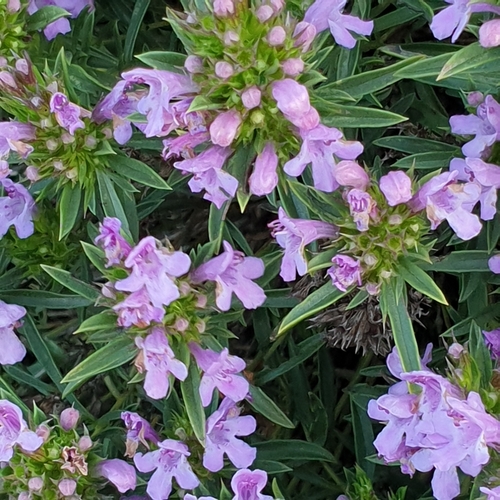
(c) snembrini, some rights reserved (CC BY-NC)

(c) Miroslav Marić, some rights reserved (CC BY-NC), uploaded by Miroslav Marić
What to Eat
Edible parts: Leaves - flavouring
The leaves of this savory are used raw or cooked, valued primarily as a flavouring for cooked dishes — especially beans — and as a garnish for salads. Their flavour is peppery and notably stronger than that of summer savory (Satureja hortensis). Leaves can be used fresh or dried. A popular culinary herb in Mediterranean and Balkan cuisine, it is also used to make herbal teas. For the best flavour, harvest in late spring to early summer, just before the plant comes into flower in summer.
Where to Find It
It is a Mediterranean climate plant.
Balkans, Bosnia, Europe, Slovenia,
How to Identify
Dwarf savory is a compact evergreen shrub reaching 20cm tall and wide at a medium growth rate. Hardy to UK zone 6 and not frost tender, the flowers are insect-pollinated. The plant is self-fertile and attracts wildlife. It thrives in light sandy and medium loamy, well-drained soils across mildly acidic to very alkaline pH ranges and cannot tolerate shade. It adapts well to both drought and variable moisture levels.
How to Grow
Satureja subspicata, commonly known as subalpine savory, is a semi-evergreen to evergreen perennial, depending on the climate. In mild regions with slight frost, it retains its foliage year-round. In colder climates or higher altitudes, it may lose some or all of its leaves during the winter but typically regrows in spring. It typically grows in habitats such as Rocky areas, dry grasslands, and alpine slopes. Elevation: Found in subalpine to alpine zones, often at higher altitudes. Climate: Thrives in continental and Mediterranean climates with dry summers and cold winters. It is also cultivated in gardens for its aromatic and culinary properties and ability to grow in poor, rocky soils. Soil Texture: Thrives in light (sandy), medium, and rocky soils, typical of its native mountainous habitats. It performs well in well-drained, nutrient-poor soils. Soil Moisture: Prefers dry to moderately moist soils. It is drought-tolerant and does not tolerate prolonged waterlogging. Drainage: Requires well-drained soil. It is particularly well-suited for rocky slopes or gravelly areas where water drains quickly. Soil pH: Grows best in neutral to alkaline soils (pH 7.0–8.5). It can tolerate mildly acidic soils but prefers calcareous conditions. Saline Tolerance: Low tolerance for saline conditions; not ideal for coastal or highly saline environments. Tolerance of Poor Soil: It thrives in poor, nutrient-deficient soils, especially in rocky or gravelly landscapes. Light Requirements: Requires full sun for optimal growth and flowering. Shade significantly reduces vigour and flowering. Height: Typically grows to about 10–20 cm (4–8 inches) tall, forming a low, compact mound or cushion. Pollination: bees, butterflies, and other insects are attracted to its small, aromatic flowers, which are often pale pink, white, or lavender. Temperature: In USDA zones 5–9, it tolerates high heat and cold, making it ideal for alpine and Mediterranean climates. Drought Tolerance: Very drought-tolerant once established, making it an excellent choice for xeriscaping and rock gardens. Flowering: Produces small, delicate flowers in summer, adding ornamental value and attracting pollinators. Wildlife: Attracts pollinators, including bees and butterflies, while its low-growing habit can provide ground cover for small insects. Pests and Diseases: Generally pest-free and disease-resistant. Overwatering or poor drainage can lead to root rot or fungal issues. Pruning: Prune lightly after flowering to maintain its shape and encourage fresh growth. Plants are hardy to at least -10°c when grown in suitable conditions but are less hardy in rich or damp soils. When given appropriate conditions, an easily grown plant prefers well-drained, poor, stony soil and succeeds in a hot, dry, sunny position. It prefers alkaline soil, though it is not too fussy. It is intolerant of damp soils and dislikes shade. A good bee plant. A good companion plant in the garden, growing especially well with onions and beans. The plant is said to inhibit the germination of certain seeds. Secretions from the seeds can prevent the germination of nearby seeds. Members of this genus are rarely troubled by browsing deer. The native range of this species is S. Central & SE. Europe. It is a subshrub and grows primarily in the temperate biome. Introduced into Germany.
Propagation: Seed should be surface-sown in mid-spring in a greenhouse, keeping the compost consistently moist. Germination can be slow and erratic but usually occurs within a month. Prick seedlings into individual pots as soon as they are large enough to handle. They can generally be planted into permanent positions during summer; if growth is insufficient or winters are cold, overwinter in a cold frame and plant out in late spring or early summer the following year. Half-ripe wood cuttings of 5–8cm taken at a node in midsummer can be rooted in a frame, potted up in autumn, overwintered under cover, and planted out the following late spring or early summer — a high percentage usually succeed. Young wood cuttings, preferably with a heel, taken in mid-spring in a frame can be planted out in summer if growth is strong, or overwintered in a cold frame otherwise. Division can be carried out in early spring as growth begins, and works best when soil has been mounded up into the bottom 20cm of the plant during the previous summer. Pot up divisions and grow on in a cold frame until established before planting out in summer.
Medicinal Uses
The whole herb, particularly the flowering shoots, contains essential oils, tannins, resins, and salts, and is antiseptic, aromatic, carminative, digestive, expectorant, and stomachic. Taken internally, it is considered a sovereign remedy for colic and flatulence, and is also used to treat nausea, diarrhoea, bronchial congestion, coughs, sore throat, kidney problems, hypertension, and menstrual disorders. It should not be prescribed for pregnant women. Rubbing a sprig onto bee or wasp stings is said to bring instant relief. Sitting in a vapour bath of infused stems is a traditional remedy for haemorrhoids, and the infusion is also applied to sore eyes and inflamed gums. An ointment made from the plant is used externally to relieve arthritic joints. The plant is harvested in summer when in flower and can be used fresh or dried. The essential oil is also used as an ingredient in scalp lotions for incipient baldness.
Other Uses
Its compact, low-growing habit makes it well suited to rock gardens, border edging, and ground cover in herb gardens. The flowers are rich in nectar and pollen and are very attractive to bees, butterflies, and other pollinators. The aromatic foliage can help deter garden pests, making it a useful companion plant. The plant also provides shelter for small wildlife and can offer overwintering sites for beneficial insects when used as ground cover.
Wikipedia
Dwarf savory is a compact evergreen shrub reaching 20cm tall and wide at a medium growth rate. Hardy to UK zone 6 and not frost tender, the flowers are insect-pollinated. The plant is self-fertile and attracts wildlife. It thrives in light sandy and medium loamy, well-drained soils across mildly acidic to very alkaline pH ranges and cannot tolerate shade. It adapts well to both drought and variable moisture levels.
Names & Synonyms
Pritlikavi šetraj
References (2)
- http://www.botanic-gardens-ljubljana.com/en/plants
- Redzic, S. J., 2006, Wild Edible Plants and their Traditional Use in the Human Nutrition in Bosnia-Herzegovina. Ecology of Food and Nutrition, 45:189-232