Ochthocharis dicellandroides
(Gilg.) C. Hansen & Wickens
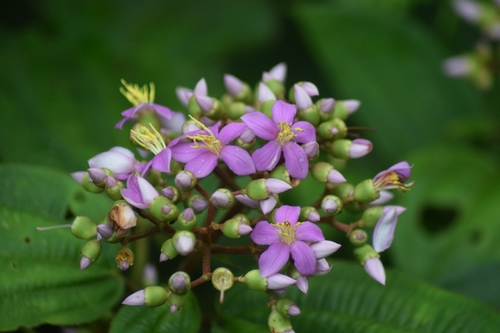
iNaturalist · cc-by-nc
(c) pgtz, some rights reserved (CC BY-NC), uploaded by pgtz
(c) pgtz, some rights reserved (CC BY-NC), uploaded by pgtz
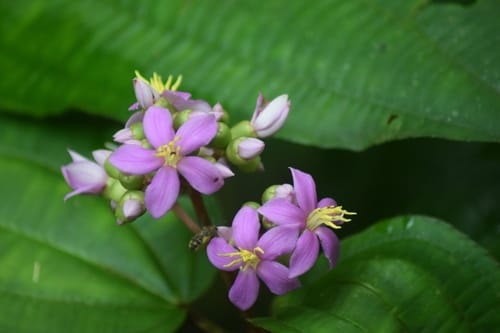
iNaturalist · cc-by-nc
(c) pgtz, some rights reserved (CC BY-NC)
(c) pgtz, some rights reserved (CC BY-NC)
What to Eat
Edible parts: Fruit, Leaves
Young leaves are cooked as a leafy vegetable; fruit and leaves are edible portions.
Where to Find It
It is a tropical plant. It grows in damp places in the forest zone in West Africa.
Africa, Angola, Central Africa, Central African Republic, CAR, Congo DR, Nigeria, Sierra Leone, Sudan, West Africa,
Countries: Angola, Burkina Faso, Burundi, Benin, Botswana, Congo (DRC), Central African Republic, Congo (Republic), Cote d'Ivoire, Cameroon, Cape Verde, Djibouti, Algeria, Egypt, Eritrea, Ethiopia, Gabon, Ghana, Gambia, Guinea, Equatorial Guinea, Guinea-Bissau, Kenya, Comoros, Liberia, Lesotho, Libya, Morocco, Madagascar, Mali, Mauritania, Mauritius, Malawi, Mozambique, Namibia, Niger, Nigeria, Rwanda, Seychelles, Sudan, Sierra Leone, Senegal, Somalia, South Sudan, Sao Tome & Principe, Eswatini, Chad, Togo, Tunisia, Tanzania, Uganda, South Africa, Zambia, Zimbabwe
How to Identify
An herb or shrub growing to about 1.5 m high, found in damp forest zones of West Africa.
Names & Synonyms
Nduru mmiri
Phaeoneuron dicellandroides Gilg.
References (5)
- Burkill, H. M., 1985, The useful plants of west tropical Africa, Vol. 4. Kew.
- Jardin, C., 1970, List of Foods Used In Africa, FAO Nutrition Information Document Series No 2.p 94 (As Phaeoneuron)
- Martin, F.W. & Ruberte, R.M., 1979, Edible Leaves of the Tropics. Antillian College Press, Mayaguez, Puerto Rico. p 205 (As Phaeoneuron)
- Termote, C., et al, 2011, Eating from the wild: Turumbu, Mbole and Bali traditional knowledge of non-cultivated edible plants, District Tshopo, DRCongo, Gen Resourc Crop Evol. 58:585-618
- World Checklist of Useful Plant Species 2020. Royal Botanic Gardens, Kew


