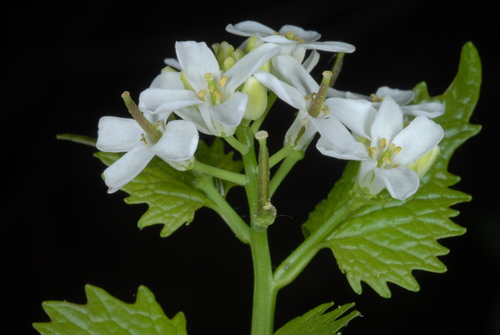
Cardamine lilacina
Hook.
Trifoliate bittercress
BrassicaceaeSeeds/Nuts
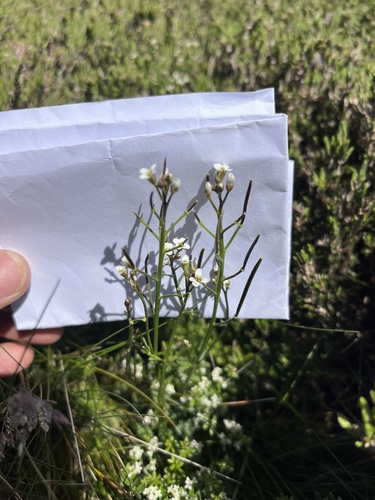
iNaturalist · cc-by-nc
(c) noodle_research_intern, some rights reserved (CC BY-NC)
(c) noodle_research_intern, some rights reserved (CC BY-NC)
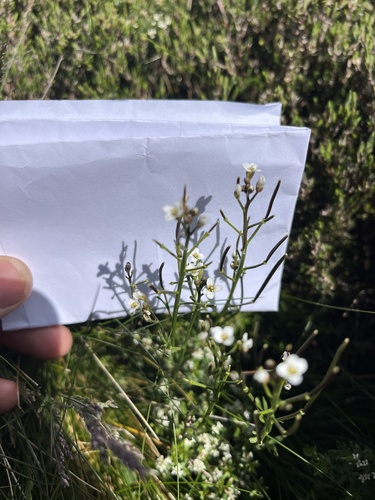
iNaturalist · cc-by-nc
(c) noodle_research_intern, some rights reserved (CC BY-NC)
(c) noodle_research_intern, some rights reserved (CC BY-NC)
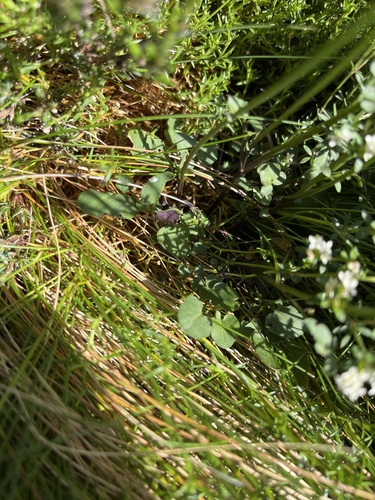
iNaturalist · cc-by-nc
(c) noodle_research_intern, some rights reserved (CC BY-NC)
(c) noodle_research_intern, some rights reserved (CC BY-NC)
What to Eat
Edible parts: Seeds
The seeds are eaten.
How to Identify
A temperate herb in the cabbage family (Brassicaceae), one of approximately 160 Cardamine species mostly found in damp places in temperate regions.
Wikipedia
Source ↗Cardamine lilacina, commonly known as the lilac bitter-cress, is a herbaceous plant native to Australia.
Notes
There are about 160 Cardamine species. They are mostly in damp places in temperate regions.
Names & Synonyms
Cardamine intermedia Hook.
References (3)
- Cherikoff V. & Isaacs, J., The Bush Food Handbook. How to gather, grow, process and cook Australian Wild Foods. Ti Tree Press, Australia p 194 (As Cardamine intermedia)
- Curtis, W.M., 1956, The Students Flora of Tasmania Vol 1 p 34 (As Cardamine intermedia)
- www.theplantlist.org