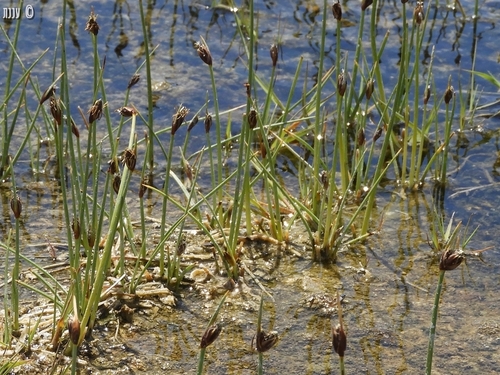
Carex paniculata
L.
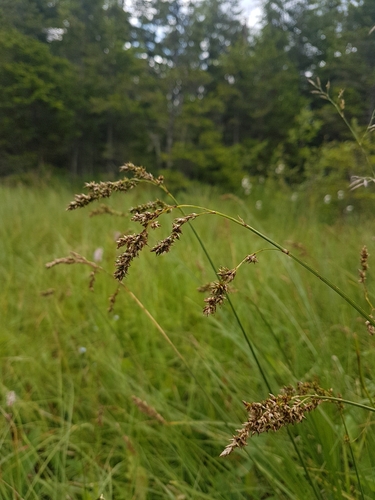
(c) Věra Kafková, some rights reserved (CC BY-NC), uploaded by Věra Kafková

(c) John D Reynolds, some rights reserved (CC BY-NC)

(c) John D Reynolds, some rights reserved (CC BY-NC)
What to Eat
Edible parts: Root, Seeds
The root can be eaten cooked, and the seed is also edible, though it is small and fiddly to work with.
Where to Find It
It is a temperate plant.
Britain, Europe, Luxembourg, Slovenia,
How to Identify
A tall perennial sedge growing to 1.5 m (5 feet). Flowers May to June with seeds ripening June to July. Monoecious with wind pollination. Hardy to UK zone 7. Grows in light sandy, medium loamy, and heavy clay soils across mildly acid to basic pH ranges. Tolerates semi-shade or full sun and prefers moist to wet conditions.
How to Grow
Easily grown in a damp to wet soil in full sun or shade. Members of this genus are rarely if ever troubled by browsing deer.
Propagation: Sow seed in situ in spring in moist soil in light shade. If seed is scarce, sow in a cold frame and plant out in summer. Seed typically germinates in 2–6 weeks at 15°C. Divide in spring — larger clumps can go directly into permanent positions, but smaller clumps are best potted up and grown on in a cold frame until rooting well, then planted out in summer or the following spring.
Medicinal Uses
None known.
Other Uses
The straw is used for bedding.
Wikipedia
Source ↗Carex paniculata, the greater tussock-sedge, is a species of flowering plant in the sedge family, Cyperaceae. It grows 1.5 metres (4 ft 11 in) high and can be found in most of Europe (including Britain), Northwest Asia and North America.
Notes
There are about 2000 Carex species. There are 200 species in tropical America.
Names & Synonyms
Latasti šaš
References (2)
- Cent. pl. I:32. 1755 (Amoen. acad. 4:294. 1759)
- Plants for a Future database, The Field, Penpol, Lostwithiel, Cornwall, PL22 0NG, UK. http://www.scs.leeds.ac.uk/pfaf/
More from Cyperaceae