Cyperus flabelliformis
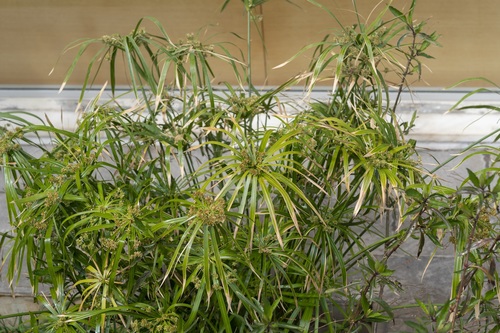
iNaturalist · cc-by
(c) Eleftherios Katsillis, some rights reserved (CC BY)
(c) Eleftherios Katsillis, some rights reserved (CC BY)
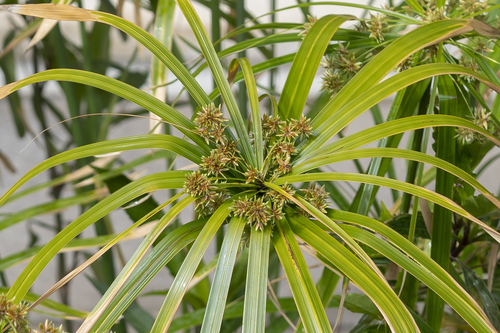
iNaturalist · cc-by
(c) Eleftherios Katsillis, some rights reserved (CC BY)
(c) Eleftherios Katsillis, some rights reserved (CC BY)
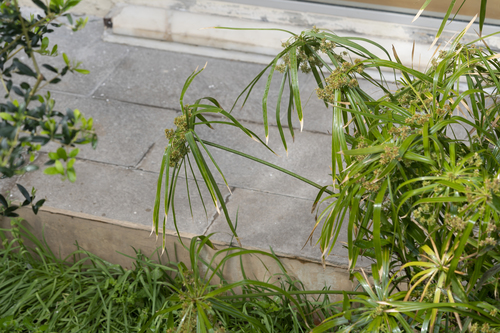
iNaturalist · cc-by
(c) Eleftherios Katsillis, some rights reserved (CC BY)
(c) Eleftherios Katsillis, some rights reserved (CC BY)
What to Eat
Edible parts: Ash - salt
The ash produced from dried and burnt plant material is used as a salt for cooking other plants.
Where to Find It
It is a subtropical plant.
Africa, Madagascar, Malawi, Southern Africa,
Countries: Angola, Burkina Faso, Burundi, Benin, Botswana, Congo (DRC), Central African Republic, Congo (Republic), Cote d'Ivoire, Cameroon, Cape Verde, Djibouti, Algeria, Egypt, Eritrea, Ethiopia, Gabon, Ghana, Gambia, Guinea, Equatorial Guinea, Guinea-Bissau, Kenya, Comoros, Liberia, Lesotho, Libya, Morocco, Madagascar, Mali, Mauritania, Mauritius, Malawi, Mozambique, Namibia, Niger, Nigeria, Rwanda, Seychelles, Sudan, Sierra Leone, Senegal, Somalia, South Sudan, Sao Tome & Principe, Eswatini, Chad, Togo, Tunisia, Tanzania, Uganda, South Africa, Zambia, Zimbabwe
How to Identify
A perennial sedge found in subtropical regions. The plant is dried and burnt to produce ash used as a culinary salt.
Notes
Either Cyperus tenuis Sw. if authority is (Kunth) Spreng. or Cyperus alternifolius subsp. flabelliformis Kuk if authority is Rottb..
Names & Synonyms
Seraserabe
References (2)
- Fox, F. W. & Young, M. E. N., 1982, Food from the Veld. Delta Books. p 179 (As Cyperus flabelliformis)
- Plowes, N. J. & Taylor, F. W., 1997, The Processing of Indigenous Fruits and other Wildfoods of Southern Africa. in Smartt, L. & Haq. (Eds) Domestication, Production and Utilization of New Crops. ICUC p 189 (As Cyperus flabelliformis)
More from Cyperaceae

Actinoscirpus grossus
Giant bulrush, Greater club-rush

Actinoscirpus grossus var. kysoor
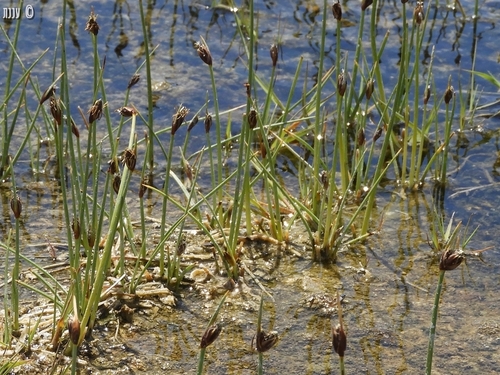
Amphiscirpus nevadensis
Nevada bulrush, Great basin bulrush

Bolboschoenus caldwellii
Sea club rush, Marsh club rush, Seaside bulrush

Bolboschoenus fluviatilis
Marsh club rush, River bulrush, Kukuraho, Purua grass

Bolboschoenus glaucus