Passiflora gracilis
J. Jacq. ex Link
(c) aliciacerchiai, some rights reserved (CC BY-NC)
(c) aliciacerchiai, some rights reserved (CC BY-NC)
(c) aliciacerchiai, some rights reserved (CC BY-NC)
What to Eat
Passiflora incarnata (maypop) leaves and roots have a long history of use as a traditional medicine by Native Americans in North America and were adapted by European colonists. The fresh or dried leaves of maypop are used to make a tea that is used as a sedative. Passionflower as dried powder or an extract is used as a dietary supplement. There is insufficient clinical evidence for using passionflower to treat any medical condition. Passionflower is classified as generally recognized as safe for use as a food ingredient in the U.S.
Known Hazards
Where to Find It
It is a tropical plant. It grows up to 1,500 m above sea level.
Asia, Central America, Colombia, Costa Rica, Ecuador, Guatemala, Nicaragua, Panama, South America, Venezuela,
How to Identify
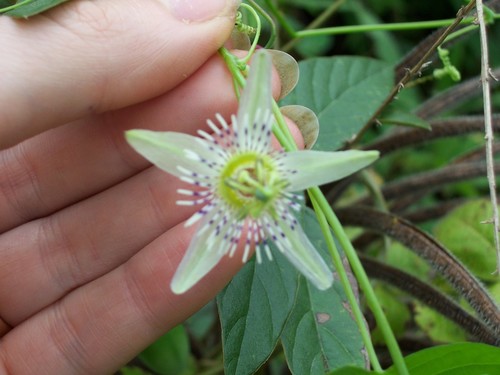
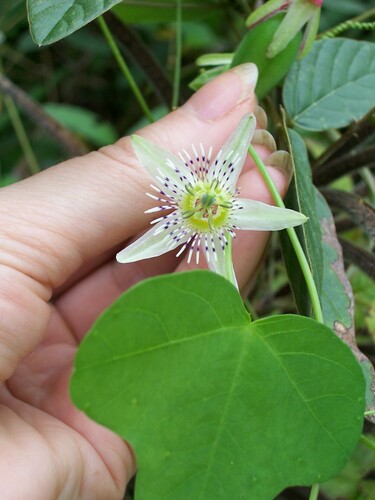
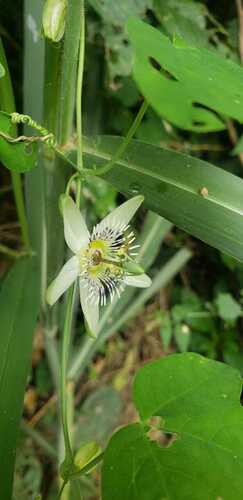
A climbing herb. The flowers are 2.5 cm across. The fruit are flattened berries 2.5 cm long.
How to Grow
Passiflora gracilis is the only truly annual species in the genus, being found mainly at low to moderate elevations in Mesoamerica, where it can be found up to 2,300 metres. It can be cultivated in cooler climes, succeeding even in warm temperate areas where the growing season is long enough to mature the fruit. Grows best in a position that is sheltered at least from the hottest sun of the day, growing in nature in the dappled shade of other plants. It prefers a well-drained soil on the light side, succeeding in conditions of low fertility but not growing well in heavy clays. Prefers a pH in the range 6.5 - 7.5. Plants usually self-sow, even in cultivation in frost-free climates. In cooler areas it is important to save seed from the earlier ripening fruits and store them in a frost-free place before resowing when the warm season returns.
Propagation: Seed - best sown as soon as it is ripe along with the pulp which will help break down the seed coat and speed up germination. Stored seed should be soaked for 24 hours in warm water and germination time can be reduced if the seed is then mixed with the juice of a fresh passion fruit (of any species). Even so, it can take 12 months for stored seed to germinate. Place the seed tray in a shady position, maintaining a temperature around 19 - 24°c. Prick the seedlings out into individual containers as soon as they are large enough to handle and plant out when large enough.
Medicinal Uses
The leaves and roots of some, if not all, members of this genus contain a substance called 'passiflorina' which has similaritiesr to morphine and is an effective tranquilizer. We have no specific information for this species but many species are used in herbal infusions to calm the nerves and help bring about a restful sleep. The leaves of many species are also considered to be anthelmintic, antihysteric and diaphoretic. They are used in Brazil to combat intermittent fevers, cutaneous inflammations, and erysipelas.
Names & Synonyms
References (3)
- Kew Plants of the World Online
- PROSEA No. 2
- Roa, J. A. G. & Boada, D. S. G., 2018, Fundación para el Fortalecimiento de la Fruticultura y Plantas Alimenticias no Convencionales en Colombia.


