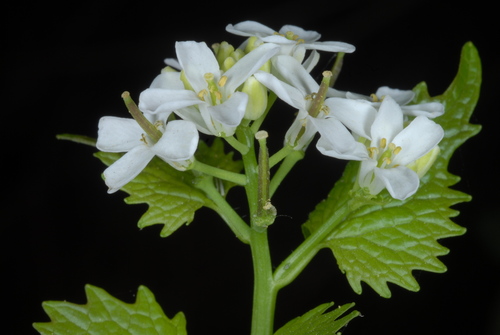
Lepidium montanum
Nutt.
Mountain pepperweed
BrassicaceaeSeeds/Nuts

iNaturalist · cc-by-nc-sa
(c) Tony Frates, some rights reserved (CC BY-NC-SA)
(c) Tony Frates, some rights reserved (CC BY-NC-SA)

iNaturalist · cc-by-nc
(c) Stephen Andersen, some rights reserved (CC BY-NC), uploaded by Stephen Andersen
(c) Stephen Andersen, some rights reserved (CC BY-NC), uploaded by Stephen Andersen
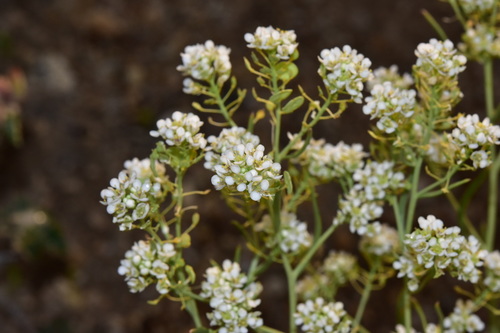
iNaturalist · cc-by-nc
(c) Joey Santore, some rights reserved (CC BY-NC), uploaded by Joey Santore
(c) Joey Santore, some rights reserved (CC BY-NC), uploaded by Joey Santore
What to Eat
Edible parts: Seeds
The seeds are eaten.
Where to Find It
It is a temperate plant.
North America, USA,
Countries: Antigua & Barbuda, Barbados, Bahamas, Belize, Canada, Costa Rica, Cuba, Dominica, Dominican Republic, Grenada, Guatemala, Honduras, Haiti, Jamaica, St Kitts & Nevis, St Lucia, Mexico, Nicaragua, Panama, Puerto Rico, El Salvador, Trinidad & Tobago, United States, St Vincent
How to Identify
A herb in the mustard family (Brassicaceae) found in temperate regions. Mountain pepperweed produces seeds that are edible.
Wikipedia
Source ↗Lepidium montanum is a species of flowering plant in the mustard family known by the common names mountain pepperweed, mountain peppergrass, mountain pepperwort, and mountain pepperplant. It is native to western North America from Oregon to Montana to northern Mexico, where it can be found in a number of habitats, often on salty or gravelly soils. There are several varieties, many of which are difficult to distinguish.
Names & Synonyms
Lepidium corymbosum Hook. & Arn.Lepidium scopulorum M. E. JonesLepidium utahense M. E. Jonesand many others
References (1)
- Moerman, D. F., 2010, Native American Ethnobotany. Timber Press. p 301