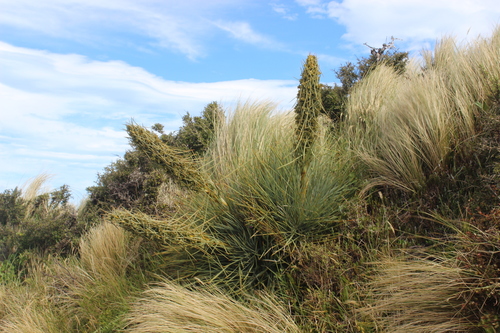
Lomatium piperi
Coult. & Rose
Indian biscuitroot
ApiaceaeRoots
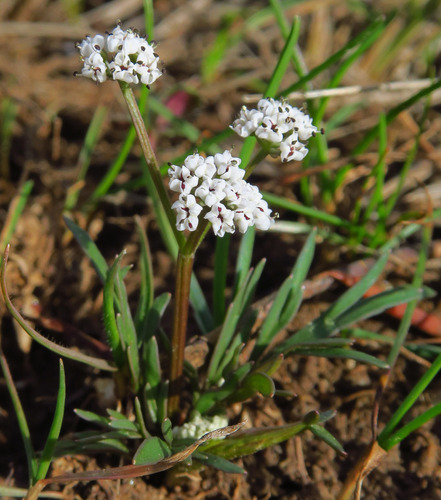
iNaturalist · cc-by-nc
(c) Adam Schneider, some rights reserved (CC BY-NC), uploaded by Adam Schneider
(c) Adam Schneider, some rights reserved (CC BY-NC), uploaded by Adam Schneider

iNaturalist · cc-by-nc
(c) Remington Jackson, some rights reserved (CC BY-NC), uploaded by Remington Jackson
(c) Remington Jackson, some rights reserved (CC BY-NC), uploaded by Remington Jackson
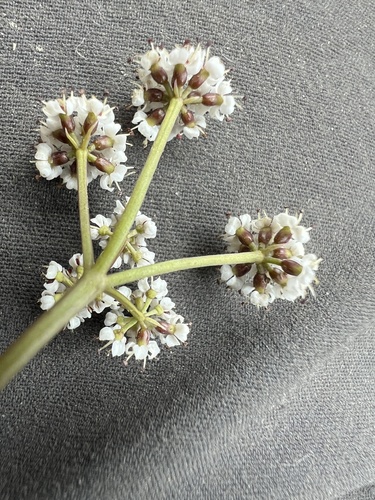
iNaturalist · cc0
no rights reserved, uploaded by James H. Thomas
no rights reserved, uploaded by James H. Thomas
What to Eat
Edible parts: Roots
Where to Find It
It is a temperate plant.
North America, USA,
Countries: Antigua & Barbuda, Barbados, Bahamas, Belize, Canada, Costa Rica, Cuba, Dominica, Dominican Republic, Grenada, Guatemala, Honduras, Haiti, Jamaica, St Kitts & Nevis, St Lucia, Mexico, Nicaragua, Panama, Puerto Rico, El Salvador, Trinidad & Tobago, United States, St Vincent
How to Identify
A temperate herb in the Apiaceae family with edible roots.
Wikipedia
Source ↗Lomatium piperi is a species of flowering plant in the carrot family known by the common name salt-and-pepper or Indian biscuitroot (and called mámɨn in the local Sahaptin language). It is native to the Northwestern United States and northern California, where it grows in sagebrush and plateau habitat, as well as the Sierra Nevada and Cascade Mountains.
Names & Synonyms
Mamin
References (2)
- Hunn, E. S., & French, D. H., 1981, Lomatium: A Key Resource for Columbia Plateau Native Subsistence. Northwest Science Vol. 55 No. 2.
- Moerman, D. F., 2010, Native American Ethnobotany. Timber Press. p 316