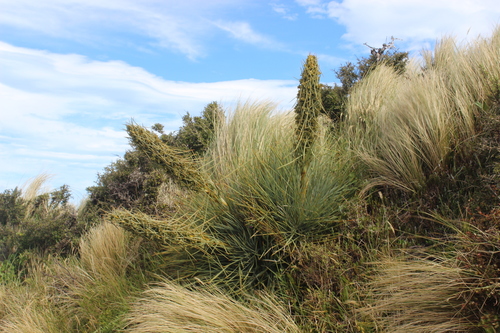
Oxypolis rigidior
(L.) Raf.
Stiff cowbane
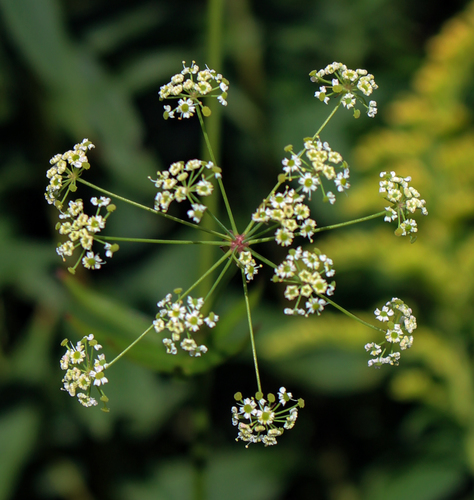
iNaturalist · cc-by
(c) aarongunnar, some rights reserved (CC BY), uploaded by aarongunnar
(c) aarongunnar, some rights reserved (CC BY), uploaded by aarongunnar
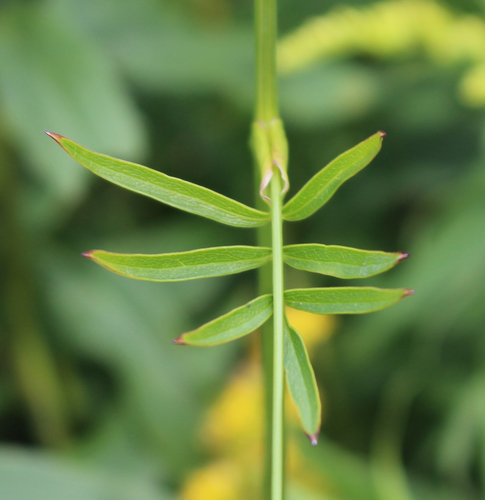
iNaturalist · cc-by
(c) aarongunnar, some rights reserved (CC BY), uploaded by aarongunnar
(c) aarongunnar, some rights reserved (CC BY), uploaded by aarongunnar

iNaturalist · cc-by-sa
(c) Frank Mayfield, some rights reserved (CC BY-SA)
(c) Frank Mayfield, some rights reserved (CC BY-SA)
What to Eat
Edible parts: Roots
The roots are baked and eaten.
Known Hazards
Where to Find It
It is a temperate plant.
North America, USA,
Countries: Antigua & Barbuda, Barbados, Bahamas, Belize, Canada, Costa Rica, Cuba, Dominica, Dominican Republic, Grenada, Guatemala, Honduras, Haiti, Jamaica, St Kitts & Nevis, St Lucia, Mexico, Nicaragua, Panama, Puerto Rico, El Salvador, Trinidad & Tobago, United States, St Vincent
How to Identify
A temperate herb in the carrot family (Apiaceae) native to temperate regions.
Wikipedia
Source ↗Oxypolis rigidior, known as cowbane, common water dropwort, stiff cowbane, pig-potato, and Cherokee swamp potato, is a species of flowering plant in the carrot family native to eastern North America. It is a perennial wildflower found in wet habitats. Oxypolis rigidior has been reported as being poisonous to some mammals, but it is also considered edible and safe by some authors.
References (1)
- Moerman, D. F., 2010, Native American Ethnobotany. Timber Press. p 374