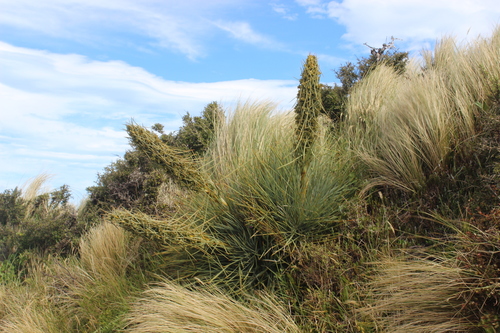
Perideridia pringlei
(J. M. Coult. & Rose) A. Nelson
Adobe yampah

iNaturalist · cc-by-nc-nd
(c) Wayfinder_73, some rights reserved (CC BY-NC-ND)
(c) Wayfinder_73, some rights reserved (CC BY-NC-ND)
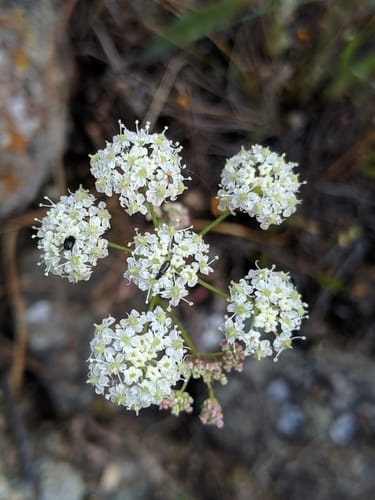
iNaturalist · cc0
no rights reserved
no rights reserved
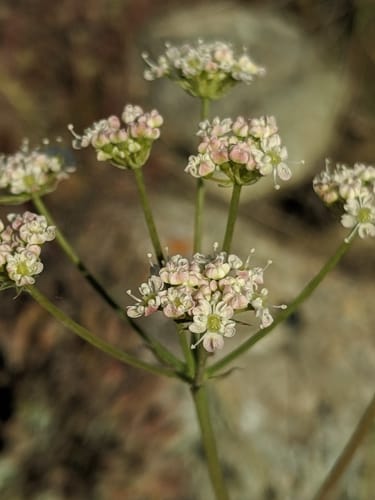
iNaturalist · cc0
no rights reserved
no rights reserved
What to Eat
Edible parts: Roots, Tuber
The roots are peeled and boiled or roasted before eating.
Known Hazards
Where to Find It
It is a temperate plant.
North America, USA,
Countries: Antigua & Barbuda, Barbados, Bahamas, Belize, Canada, Costa Rica, Cuba, Dominica, Dominican Republic, Grenada, Guatemala, Honduras, Haiti, Jamaica, St Kitts & Nevis, St Lucia, Mexico, Nicaragua, Panama, Puerto Rico, El Salvador, Trinidad & Tobago, United States, St Vincent
How to Identify
A temperate herbaceous plant in the Apiaceae family with edible tuberous roots.
Names & Synonyms
Eulophus pringlei
References (2)
- Moerman, D. F., 2010, Native American Ethnobotany. Timber Press. p 387
- Stromberg, M. R. et al, California Grasslands: Ecology and Management. p 63