Plantago macrocarpa
Cham. & Schlecht.
Seashore plantain

iNaturalist · cc-by-nc-sa
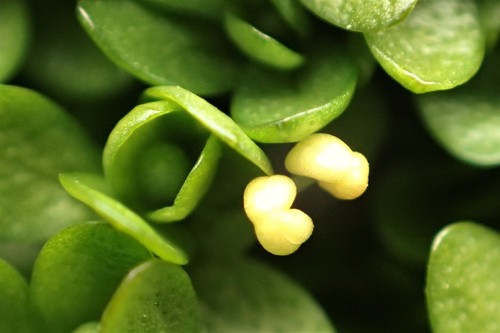
(c) M. Goff, some rights reserved (CC BY-NC-SA), uploaded by M. Goff
(c) M. Goff, some rights reserved (CC BY-NC-SA), uploaded by M. Goff

iNaturalist · cc-by-nc
(c) M. Torre Jorgenson, some rights reserved (CC BY-NC), uploaded by M. Torre Jorgenson
(c) M. Torre Jorgenson, some rights reserved (CC BY-NC), uploaded by M. Torre Jorgenson
iNaturalist · cc-by-nc
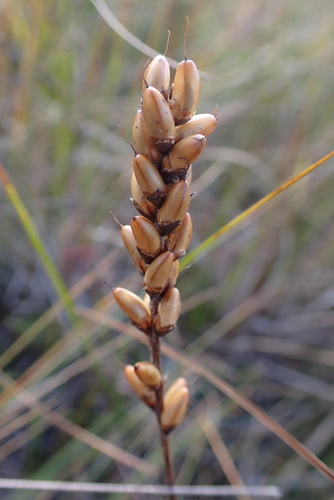
(c) Ian Cruickshank, some rights reserved (CC BY-NC), uploaded by Ian Cruickshank
(c) Ian Cruickshank, some rights reserved (CC BY-NC), uploaded by Ian Cruickshank
What to Eat
Edible parts: Leaves
The young tender leaves are eaten raw in salads or cooked as a spinach.
Known Hazards
Where to Find It
It is a temperate plant. It grows along the coast just behind the tide mark.
Alaska, North America, USA,
Countries: Antigua & Barbuda, Barbados, Bahamas, Belize, Canada, Costa Rica, Cuba, Dominica, Dominican Republic, Grenada, Guatemala, Honduras, Haiti, Jamaica, St Kitts & Nevis, St Lucia, Mexico, Nicaragua, Panama, Puerto Rico, El Salvador, Trinidad & Tobago, United States, St Vincent
How to Identify
A herb. The leaves are long and arrow and rise from the root crown. They are 25 cm long and 2.5 cm wide. The flowers are very small. They are in dense heads crowded into a spike at the top of leafless stalks.
References (2)
- Heller, C. A., 1962, Wild Edible and Poisonous Plants of Alaska. Univ. of Alaska Extension Service. p 21
- Moerman, D. F., 2010, Native American Ethnobotany. Timber Press. p 416