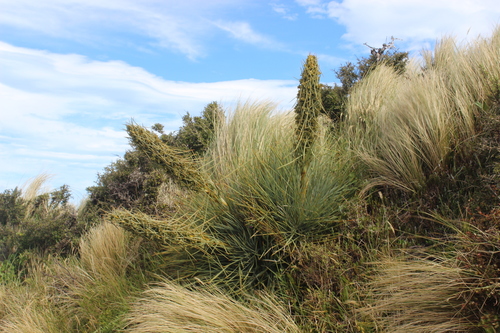
Pseudocymopterus montanus
(A. Gray) J. M. Coult. & Rose
Alpine false spring parsley

(c) Sara Donnelly, some rights reserved (CC BY)

(c) Sara Donnelly, some rights reserved (CC BY)

(c) Wendy Graves, some rights reserved (CC BY-NC)
What to Eat
Edible parts: Leaves, Root
The leaves are boiled with cornmeal. The roots are ground and cooked with meat.
Where to Find It
It is a temperate plant.
North America, USA,
How to Identify
A temperate herb in the Apiaceae family with edible leaves and roots.
Medicinal Uses
This plant has many uses in Native American medicine. The Zuni use an infusion of the root for body aches. The root is also chewed during curing ceremonies for various illnesses, and the crushed root and water used as wash and taken for sore throat. The Rarámuri also use the root as herbal medicine. Ligusticum porteri was occasionally used in very large amounts as by Spanish New Mexicans as an abortifacient or emmenagogue. However, researchers George A. Conway and John C. Slocumb were unable to locate any person who reported successful use of this plant for this purpose. The American Herbal Products Association Safety & Labeling Guidelines Subcommittee recommended in 1997 that it should be labeled as not to be used during pregnancy.
Names & Synonyms
References (1)
- Moerman, D. F., 2010, Native American Ethnobotany. Timber Press. p 448