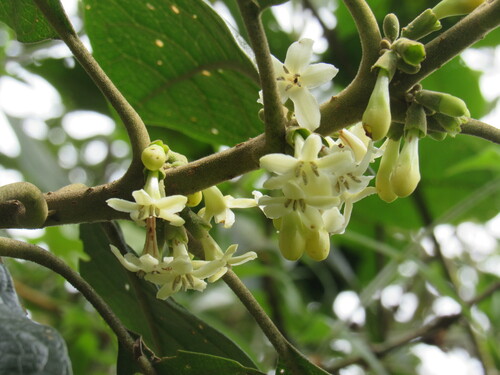
Trichostema lanceolatum
Benth.
Vinegar weed
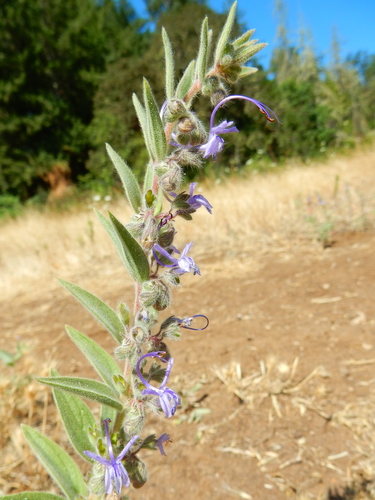
iNaturalist · cc-by
(c) Ed Alverson, some rights reserved (CC BY), uploaded by Ed Alverson
(c) Ed Alverson, some rights reserved (CC BY), uploaded by Ed Alverson
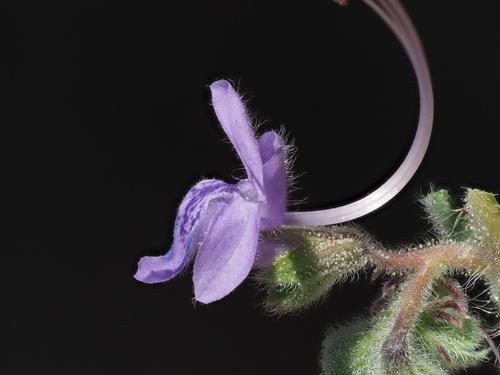
iNaturalist · cc-by-nc
(c) nathantay, some rights reserved (CC BY-NC)
(c) nathantay, some rights reserved (CC BY-NC)
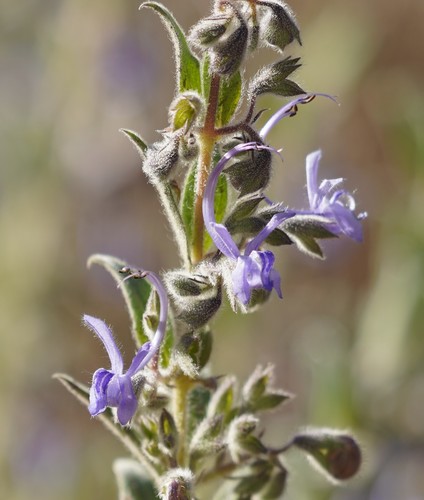
iNaturalist · cc-by-nc
(c) Eric Koberle, some rights reserved (CC BY-NC), uploaded by Eric Koberle
(c) Eric Koberle, some rights reserved (CC BY-NC), uploaded by Eric Koberle
What to Eat
Edible parts: Leaves - tea
The leaves are used to make a tea or drink.
Where to Find It
It is a temperate plant.
North America, USA,
Countries: Antigua & Barbuda, Barbados, Bahamas, Belize, Canada, Costa Rica, Cuba, Dominica, Dominican Republic, Grenada, Guatemala, Honduras, Haiti, Jamaica, St Kitts & Nevis, St Lucia, Mexico, Nicaragua, Panama, Puerto Rico, El Salvador, Trinidad & Tobago, United States, St Vincent
How to Identify
A herb in the mint family (Lamiaceae) found in temperate regions, commonly known as vinegar weed.
Wikipedia
Source ↗Trichostema lanceolatum, with the common names vinegarweed and camphor weed, is an annual flowering herb of the mint family native to western North America. The common name 'vinegarweed' originated due to its foliage containing volatile oils that have a strong vinegar odor. The oils have phytotoxic properties, which help the plant compete by killing or injuring other plant species.
References (1)
- Moerman, D. F., 2010, Native American Ethnobotany. Timber Press. p 566