Viola blanda
Willd.
Sweet white violet
ViolaceaeLeaves
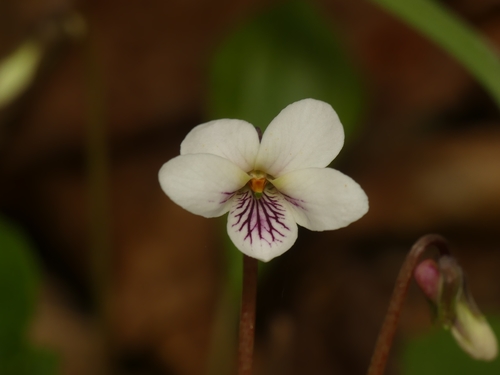
iNaturalist · cc-by-nc
(c) Shaun Pogacnik, some rights reserved (CC BY-NC), uploaded by Shaun Pogacnik
(c) Shaun Pogacnik, some rights reserved (CC BY-NC), uploaded by Shaun Pogacnik
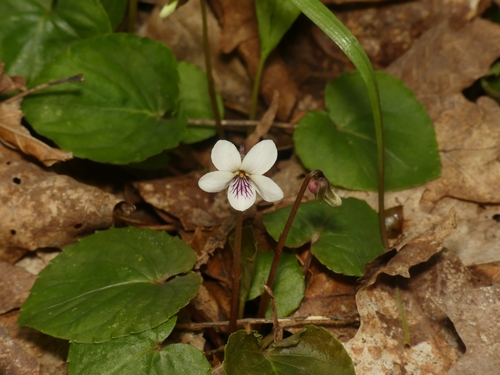
iNaturalist · cc-by-nc
(c) Shaun Pogacnik, some rights reserved (CC BY-NC), uploaded by Shaun Pogacnik
(c) Shaun Pogacnik, some rights reserved (CC BY-NC), uploaded by Shaun Pogacnik

iNaturalist · cc-by-sa
(c) Douglas Goldman, some rights reserved (CC BY-SA), uploaded by Douglas Goldman
(c) Douglas Goldman, some rights reserved (CC BY-SA), uploaded by Douglas Goldman
What to Eat
Edible parts: Leaves
The leaves and stems are mixed with other greens, parboiled, then rinsed and fried.
Where to Find It
It is a temperate plant.
North America, USA,
Countries: Antigua & Barbuda, Barbados, Bahamas, Belize, Canada, Costa Rica, Cuba, Dominica, Dominican Republic, Grenada, Guatemala, Honduras, Haiti, Jamaica, St Kitts & Nevis, St Lucia, Mexico, Nicaragua, Panama, Puerto Rico, El Salvador, Trinidad & Tobago, United States, St Vincent
How to Identify
It has creeping rhizomes or underground stems. The leaves can have white hairs. The runners are 3-20 cm long and form roots at the nodes. There are 2-9 leaves at the base and they are heart shaped and 2-4 cm long and wide.
Wikipedia
Source ↗Viola blanda, commonly called the sweet white violet, is a flowering perennial plant in the Violet family (Violaceae). It is native to parts of south-eastern and south-central Canada and the eastern, and north-central, United States. Its natural habitat is in cool, mesic forests.
References (1)
- Moerman, D. F., 2010, Native American Ethnobotany. Timber Press. p 597