Vulpia octoflora
(Walter) Rydb.
Sixweeks fescue
PoaceaeSeeds/Nuts
iNaturalist · cc-by-nc
(c) yoshieslunchbox, some rights reserved (CC BY-NC)
(c) yoshieslunchbox, some rights reserved (CC BY-NC)
iNaturalist · cc-by-nc
(c) yoshieslunchbox, some rights reserved (CC BY-NC)
(c) yoshieslunchbox, some rights reserved (CC BY-NC)
iNaturalist · cc-by-nc
(c) yoshieslunchbox, some rights reserved (CC BY-NC)
(c) yoshieslunchbox, some rights reserved (CC BY-NC)
What to Eat
Edible parts: Seeds
The seeds are roasted and used for food.
Where to Find It
It is a temperate plant. In Argentina it grows from sea level to 2,000 m above sea level.
Argentina, Chile, North America, South America*, USA,
Countries: Antigua & Barbuda, Argentina, Barbados, Bolivia, Brazil, Bahamas, Belize, Canada, Chile, Colombia, Costa Rica, Cuba, Dominica, Dominican Republic, Ecuador, Grenada, French Guiana, Guatemala, Guyana, Honduras, Haiti, Jamaica, St Kitts & Nevis, St Lucia, Mexico, Nicaragua, Panama, Peru, Puerto Rico, Paraguay, Suriname, El Salvador, Trinidad & Tobago, United States, Uruguay, St Vincent, Venezuela
How to Identify
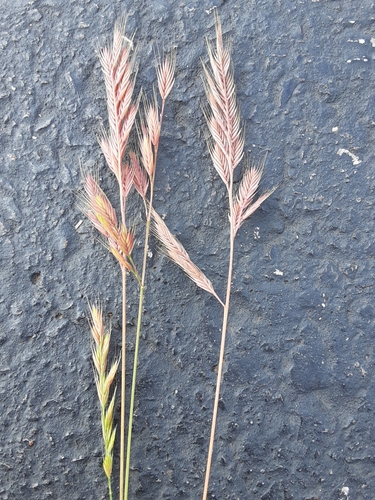
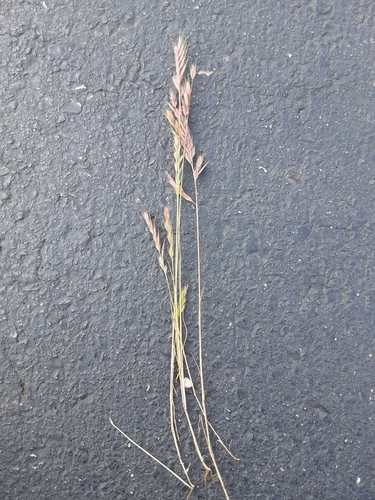
An annual grass in the Poaceae family growing 5-40 cm tall with seeds 2-4 mm long, found in temperate regions from sea level to 2,000 m elevation in Argentina.
Names & Synonyms
Festuca octoflora Walterand many others
References (3)
- Kermath, B. M., et al, 2014, Food Plants in the Americas: A survey of the domesticated, cultivated and wild plants used for Human food in North, Central and South America and the Caribbean. On line draft. p 924
- Leon-Lobos, P., et al, 2022, Patterns of Traditional and Modern Uses of Wild Edible Native Plants of Chile: Challenges and Future Perspectives. Plants (Basel) v 11 (6) Table S1
- Moerman, D. F., 2010, Native American Ethnobotany. Timber Press. p 600


