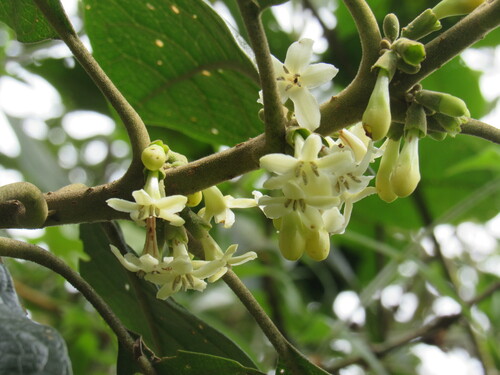
Vitex amaniensis
W. Piep.
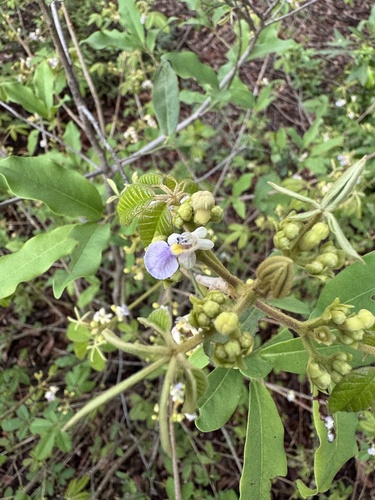
(c) Ntsakisi Masia, some rights reserved (CC BY-NC)
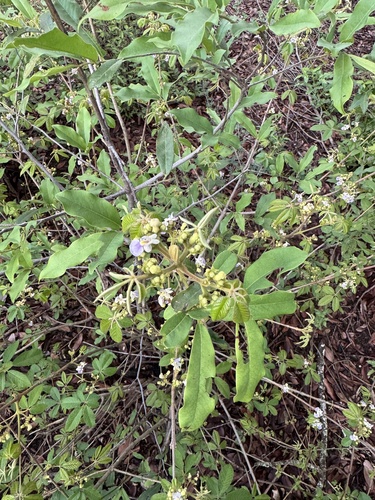
(c) Ntsakisi Masia, some rights reserved (CC BY-NC)
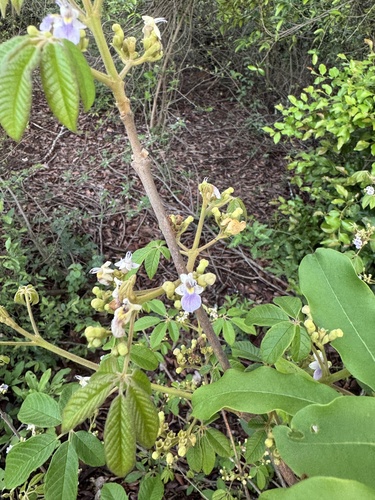
(c) Ntsakisi Masia, some rights reserved (CC BY-NC)
What to Eat
Edible parts: Fruit
The fruit is edible.
Where to Find It
It is a tropical plant. It has been recorded at about 1,100 m in Zimbabwe.
Africa, East Africa, Tanzania, Zimbabwe,
How to Identify
A tree. It grows up to 20 m tall. The bark is white or pale brown. The leaf stalk is 9-15 cm long. The leaves have 3-5 leaflets. The leaflets are 10-20 cm long by 5-7 cm wide. The middle leaflet is the largest. The flowering shoots are in the axils of the leaves and 7-11 cm long. They are slender with a few flowers. The fruit is fleshy and 1.4 cm long by 1 cm wide.
Other Uses
The wood is used for timber, tool handles and spoons. The wood is used for fuel.
Wikipedia
Source ↗Vitex amaniensis is a species of plant in the family Lamiaceae. It is endemic to Tanzania.
Notes
Also put in the family Verbenaceae.
Names & Synonyms
Mfulu, Mfuru
References (1)
- http://www.fao.org/forestry/25323-096344a3de335832e8f363c3ac5184a66.pdf